SKU: 3091-19

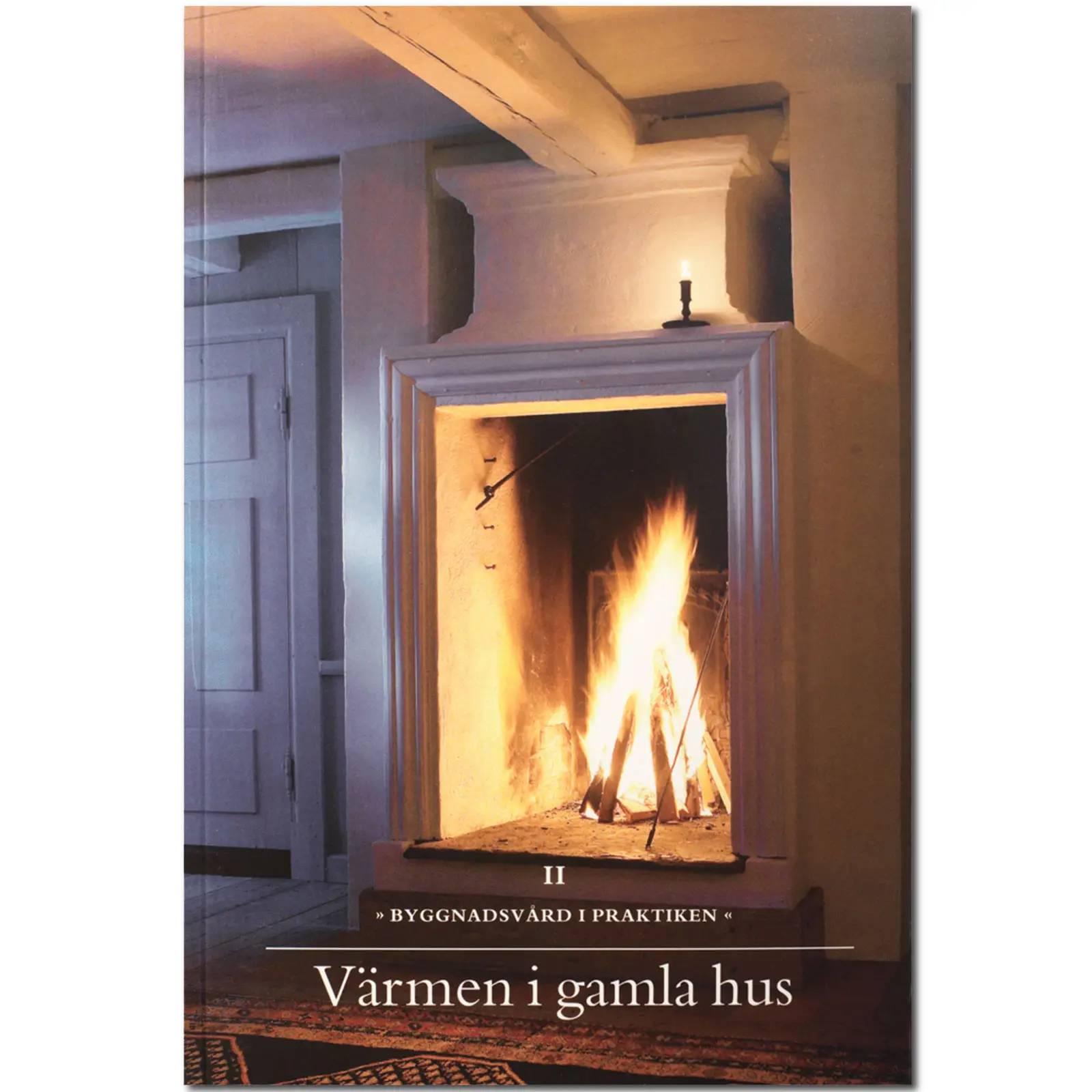
The heat in old houses

EUR26.08

Available in central stock
Quick facts

Andreas Skatter

Weight 0.35 kg
Part of a series

2/5

Sidor

102

Author

Göran Gudmundsson

Publisher

Gysinge Center for Building Conservation

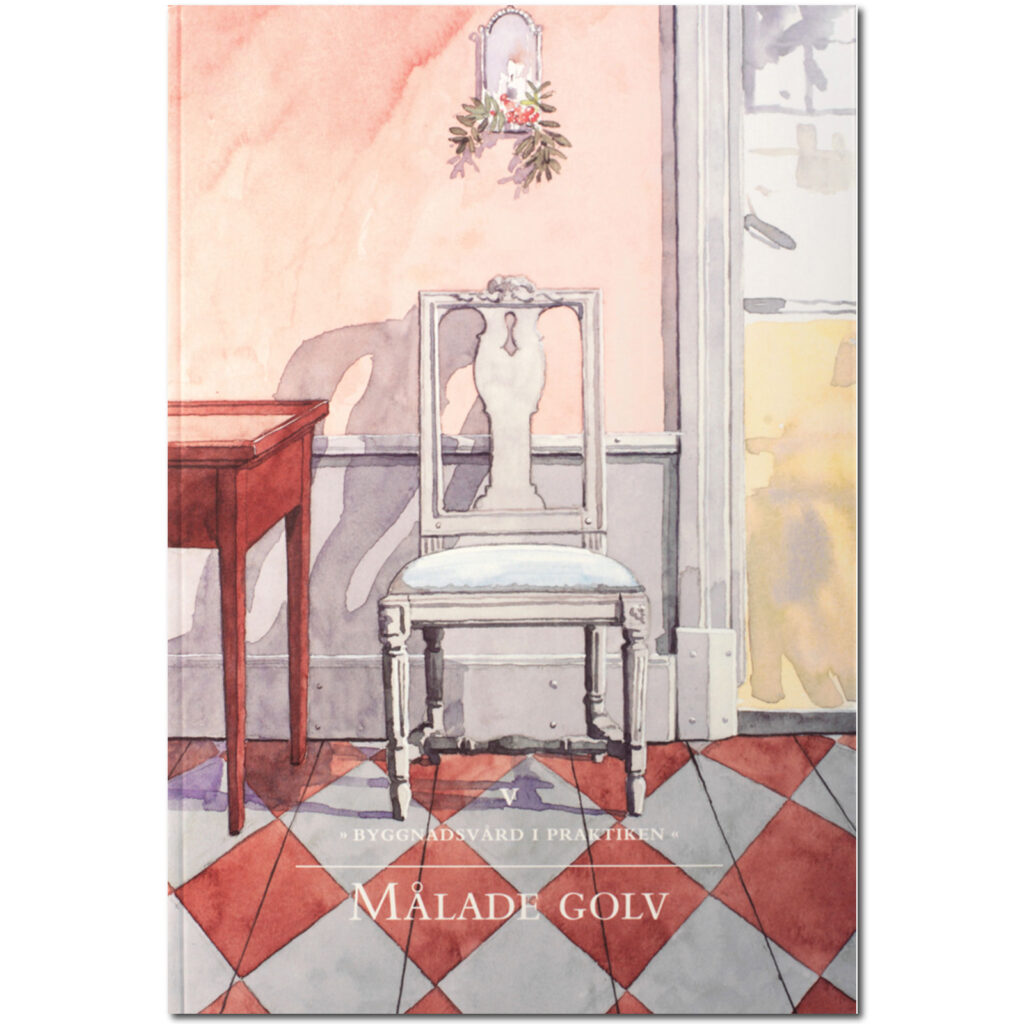
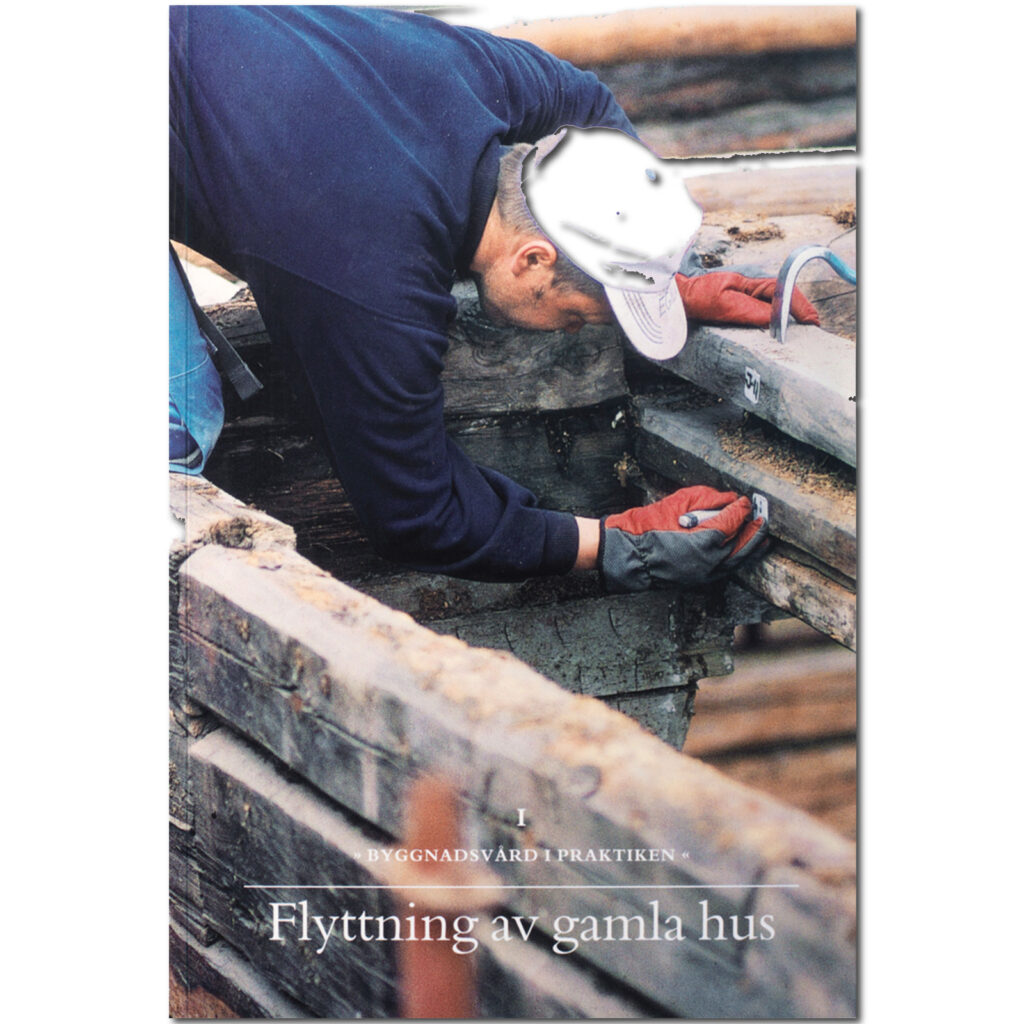
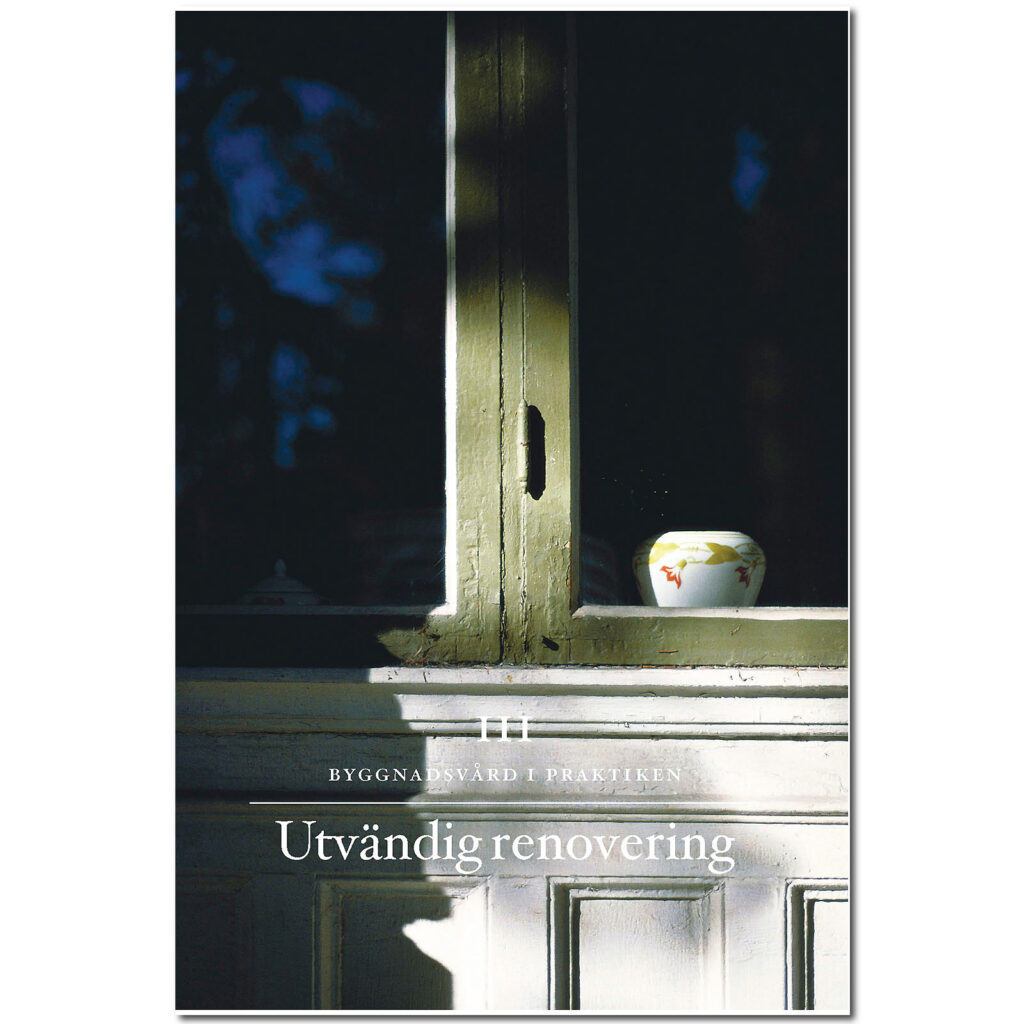
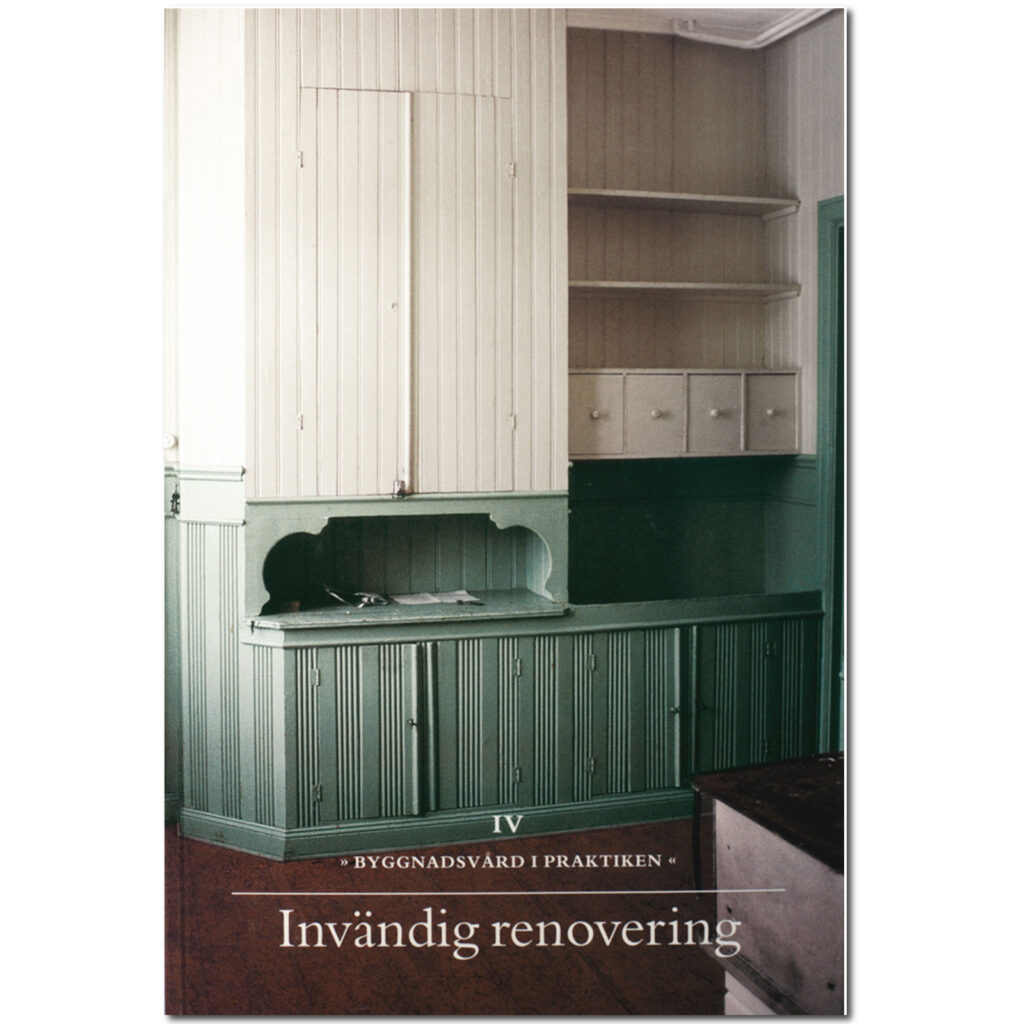
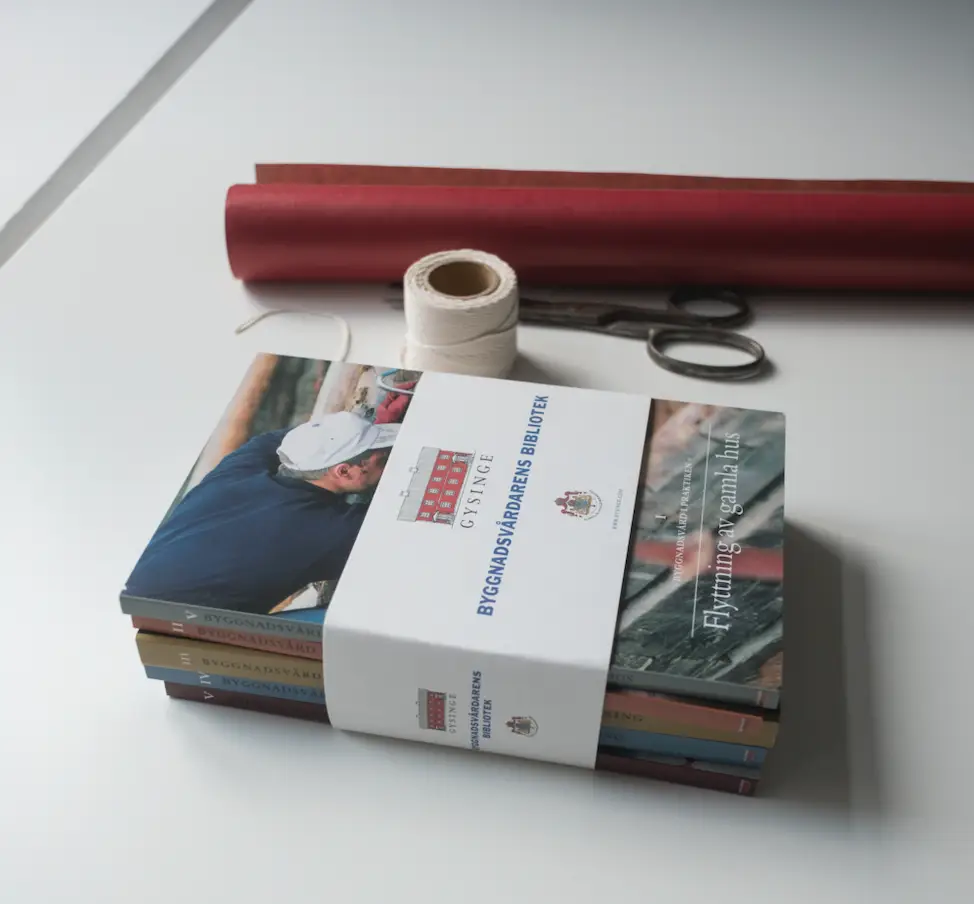
“The Heat of Old Houses” answers questions about heating and insulation of old houses. This is the second book in the series – Building Conservation in Practice.

Find out which solutions are recommended. House fireplaces and heat sources, their history and construction, and renovation aspects. Detailed advice is given on the maintenance and care of tiled stoves, fireplaces, pipe stoves, fireplaces and iron stoves.

A very practical book. Invaluable knowledge for anyone working with older houses.

Description

“The Heat of Old Houses” answers questions about heating and insulation of old houses. This is the second book in the series – Building Conservation in Practice.

Find out which solutions are recommended. House fireplaces and heat sources, their history and construction, and renovation aspects. Detailed advice is given on the maintenance and care of tiled stoves, fireplaces, pipe stoves, fireplaces and iron stoves.

A very practical book. Invaluable knowledge for anyone working with older houses.

Andreas Skatter

Weight 0.35 kg
Part of a series

2/5

Sidor

102

Author

Göran Gudmundsson

Publisher

Gysinge Center for Building Conservation

Reviews

There are no reviews yet

Be the first to review “The heat in old houses”

Your email address will not be published. Required fields are marked *

You may also need to

Related products

Iron sheet, writing

Instructions for maintenance and repair. The booklet deals with how to maintain and repair old sheet metal roofs, without losing the cultural-historical values. The emphasis in the booklet is on the workmanship and also addresses old solutions for gutters, window sills and other important details. Richly illustrated.

EUR16.01

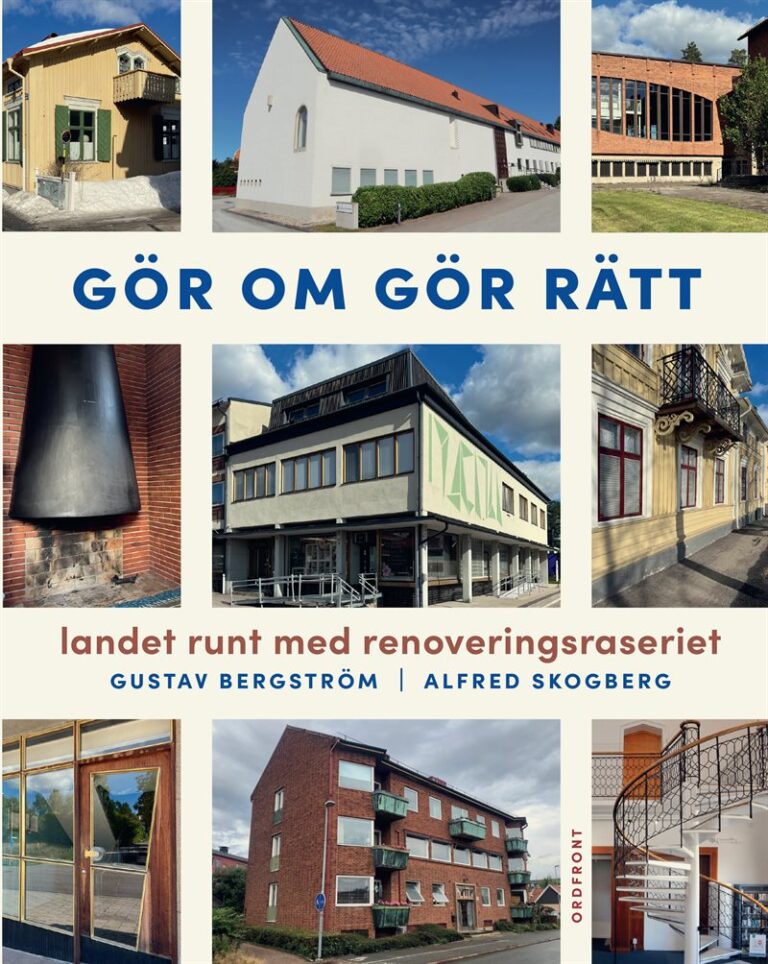
Do over do right around the country with the Renovation Frenzy

Do it again, do it right – Around the country with Renoveringsraseriet by authors Gustav Bergström and Alfred Skogberg.

Over the past decades, we have seen container after container filled with our common building heritage. Beautiful 1950s kitchens are worn out and replaced by mass-produced ones, mouth-blown window glass ends up in landfills, and cheap, unmaintainable materials replace old and solid ones.

Since its inception in 2020, Renovation Fury has criticized careless renovations on their popular Facebook and Instagram accounts of the same name.

In this book, we follow the founders, Gustav Bergström and Alfred Skogberg, on a journey to twelve Swedish cities; from Kiruna in the north to Sölvesborg in the south. They talk to architects, urban planners and experts and point out both good examples and pure disasters.

Do it again, do it right is both a portrait of the times and a cry for help. Caring and preserving is not just about nostalgia, it’s a must if we want to achieve our climate goals. It’s high time we started to see the value of craftsmanship and quality, and realize that new is not always better!

EUR25.53

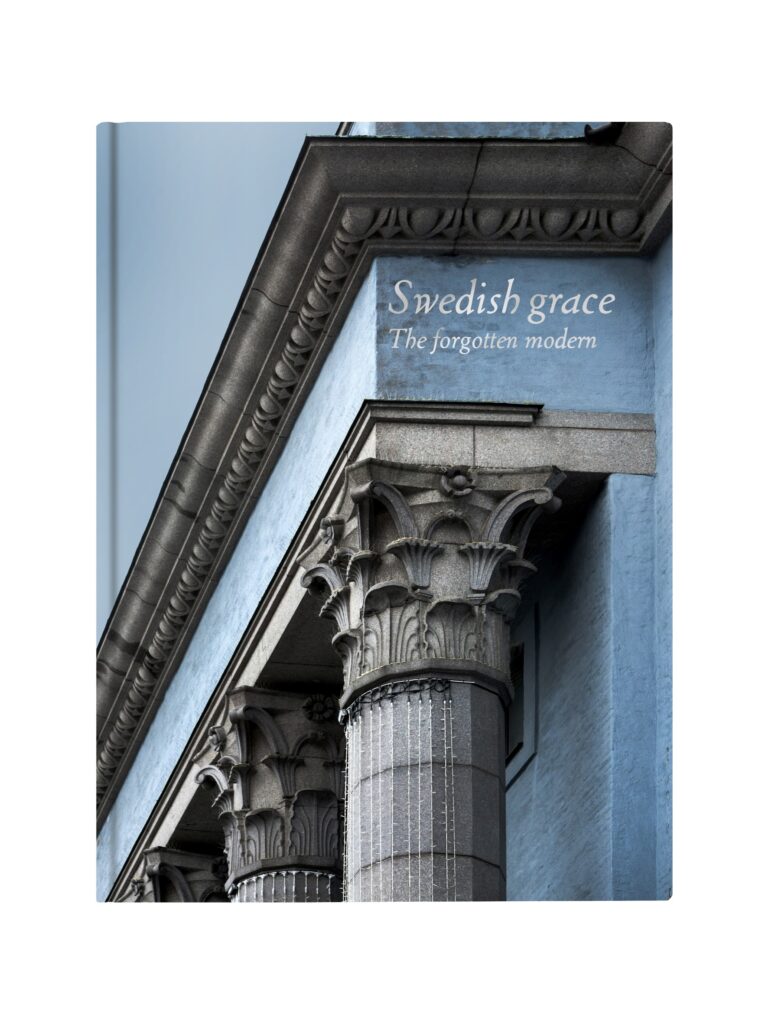
Swedish Grace a forgotten modernism

Swedish Grace is a term coined by contemporaries to denote neoclassical Swedish design from the 1910s and 1920s.

The most representative buildings from this era, such as the Stockholm City Library by Gunnar Asplund, the Resurrection Chapel by Sigurd Lewerentz and the Stockholm Concert Hall by Ivar Tengbom, are all world-famous, and most of what was built during the period is among the most highly regarded architecture in Sweden.

In this anthology, specialists from Sweden as well as other countries discuss different perspectives on Swedish Grace and show aspects that are still relevant today.

EUR27.36

Period kitchens & bathrooms 1880-2000

The book provides an illustrative picture of the standard and style development of kitchens and bathrooms in Sweden’s apartment buildings and detached houses. The design and equipment of kitchens and bathrooms follow the spirit of the times through the decades, both technically and functionally. At the same time, history bears clear traces of how the view of housework and life in the home has changed over time.

The story begins in the 1880s, when many cities are growing rapidly in the wake of industrialization. There is a housing shortage and economic conditions are tight. Homes are heated by tiled stoves or fireplaces, food is cooked on wood stoves and there are dry toilets in the yard. 120 years later, in 2000, when the story ends, high standards in kitchens and bathrooms are a matter of course. New trends follow one another and many kitchens and bathrooms are torn out and rebuilt, long before it is technically necessary.

Increased knowledge of period interiors is a valuable basis for conservation, renovation and remodeling. Inspiration can be drawn from the floor plans, kitchen layouts and furnishings of different periods.

Cecilia Björk architect SAR/MSA and Laila Reppen architect SAR/MSA are authors and illustrators of books such as Så byggdes husen 1880-2000, Så byggdes staden, Så byggdes villan and Tidstypiskt. Gustav Bergström, “Rävjägaren”, is a civil engineer as well as a writer and opinion leader in architecture and building conservation.

The book is nominated for Book of the Year 2020.

EUR36.14

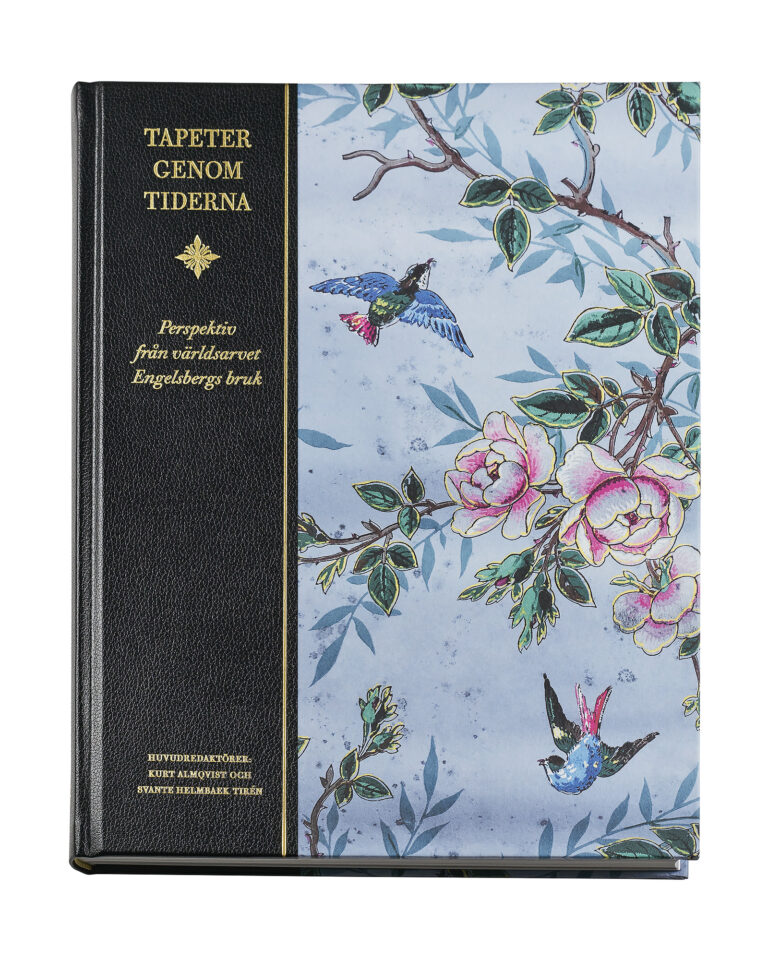
Wallpaper through the ages

Wallpaper through the ages – Perspectives from the Engelsberg Mill World Heritage Site.

Wallpaper has been one of our most important wall decorations for centuries and in various forms. Attitudes towards wallpaper have changed over time, especially in recent decades, but today there is a strong and growing interest in wallpaper and the historic preservation of buildings.

This book, which is the first stand-alone volume in a series on the Engelsberg Mill World Heritage Site, contributes to a better understanding of the history of wallpaper. Through the rich array of illustrations, both historical and modern, experts in several subjects share their in-depth knowledge of wallpaper, both as a craft and as an expression of different decorative ideals.

130 illustrations. Edition: French binding with gold foil and printed cover, wire-bound. 24 x 31 cm. 200 pages.

Authors: Erika Åberg, Lars Sjöberg, Stina Olinder Haubo, Ursula Sjöberg, Mats Qwarfordt, Martin Olin, Sara Lundström.

Editors-in-chief: Svante Holmbaek Tirén, Kurt Almqvist.

Design: Patric Leo.

EUR36.14

How the villa was built 1890-2010

Så byggdes villan is a unique exposé of a significant part of our cultural heritage – the everyday architecture of villa construction in Sweden. The book shows typical villas and characteristic building details decade by decade, from the first villas built in the 1890s to villas built in the first decade of the 2000s. Style ideals have varied over different time periods. Architecture, floor plans, structures and interiors have changed with the times. The general features of this development are shown here through a variety of new accurate illustrations in scale. Each villa has its own history and its own conditions. For the homeowner who wants to renovate his house with period carpentry, there is a drawing section with carpentry and building details, such as floor plinths, window linings and ceiling moldings.

EUR59.02

Related articles

There are no related articles for this product.

Please leave a comment what you think about our new webshop

This site is registered on wpml.org as a development site. Switch to a production site key to remove this banner.