[currency_switcher]

SKU: 3091-19

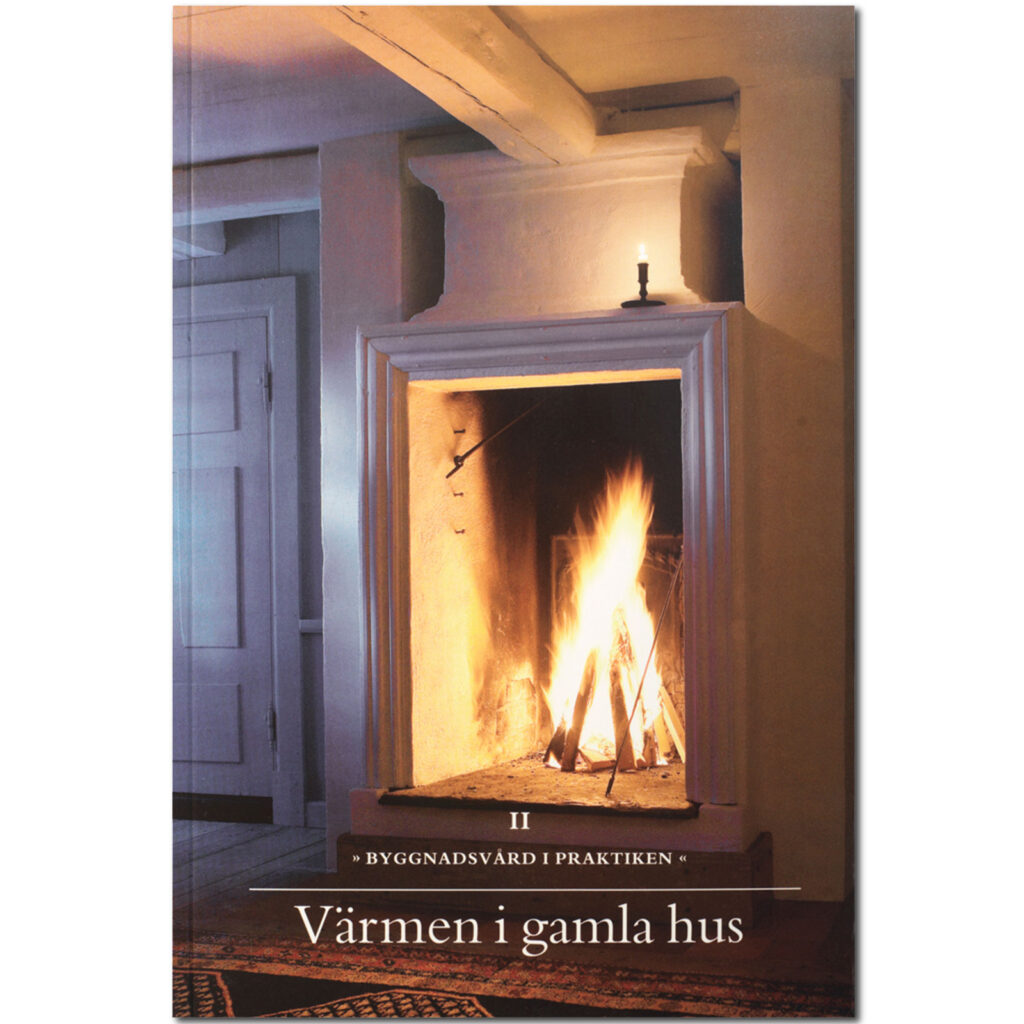
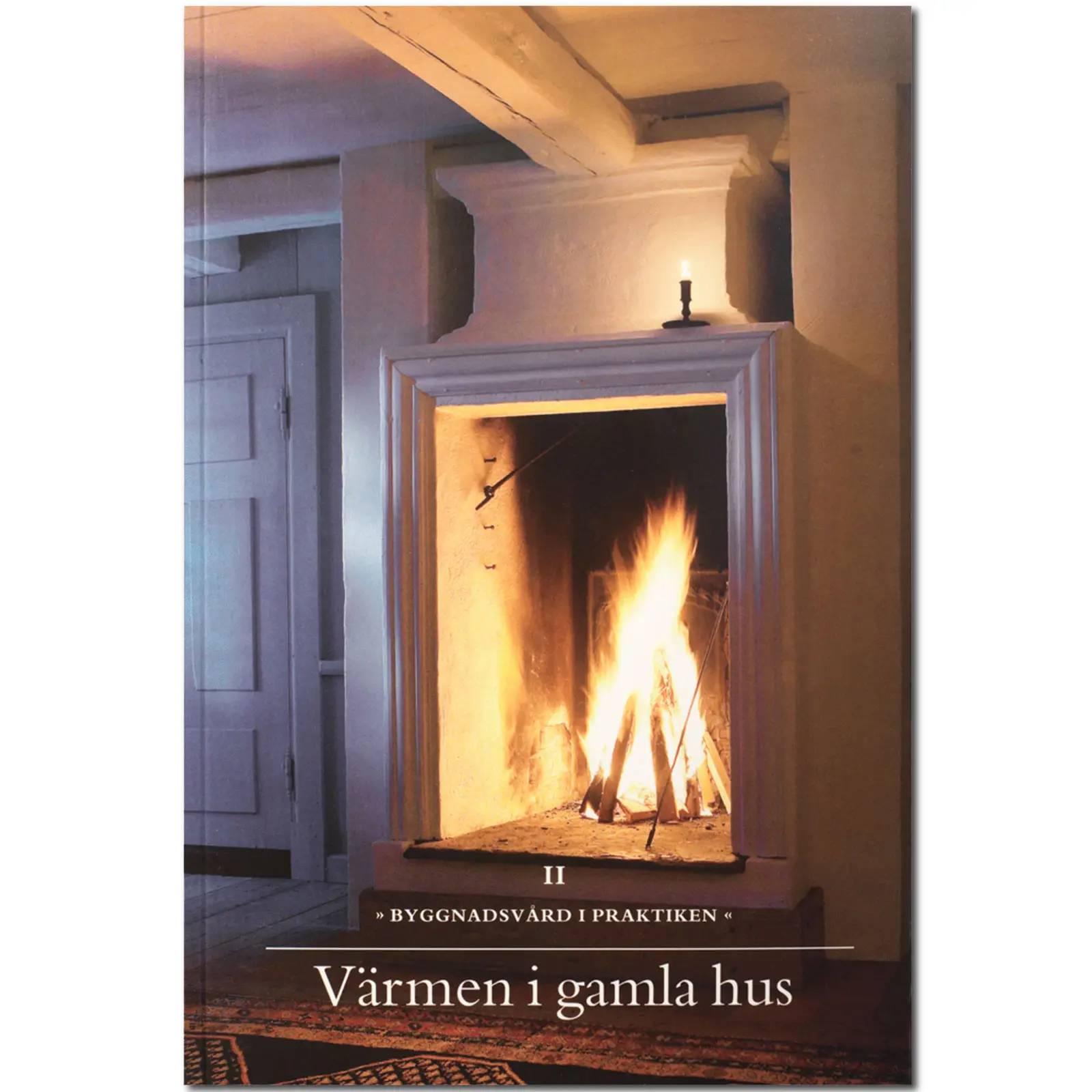
The heat in old houses

285 SEK

Available in central stock
Quick facts

Andreas Skatter

Weight 0,35 kg
Del i serie

2/5

Sidor

102

Författare

Göran Gudmundsson

Förlag

Gysinge Center for Building Conservation

“The Heat of Old Houses” answers questions about heating and insulation of old houses. This is the second book in the series – Building Conservation in Practice.

Find out which solutions are recommended. House fireplaces and heat sources, their history and construction, and renovation aspects. Detailed advice is given on the maintenance and care of tiled stoves, fireplaces, pipe stoves, fireplaces and iron stoves.

A very practical book. Invaluable knowledge for anyone working with older houses.
Description

“The Heat of Old Houses” answers questions about heating and insulation of old houses. This is the second book in the series – Building Conservation in Practice.

Find out which solutions are recommended. House fireplaces and heat sources, their history and construction, and renovation aspects. Detailed advice is given on the maintenance and care of tiled stoves, fireplaces, pipe stoves, fireplaces and iron stoves.

A very practical book. Invaluable knowledge for anyone working with older houses.
Andreas Skatter

Weight 0,35 kg
Del i serie

2/5

Sidor

102

Författare

Göran Gudmundsson

Förlag

Gysinge Center for Building Conservation

Reviews

There are no reviews yet

Be the first to review “The heat in old houses”

Your email address will not be published. Required fields are marked *

You may also need to

Related products

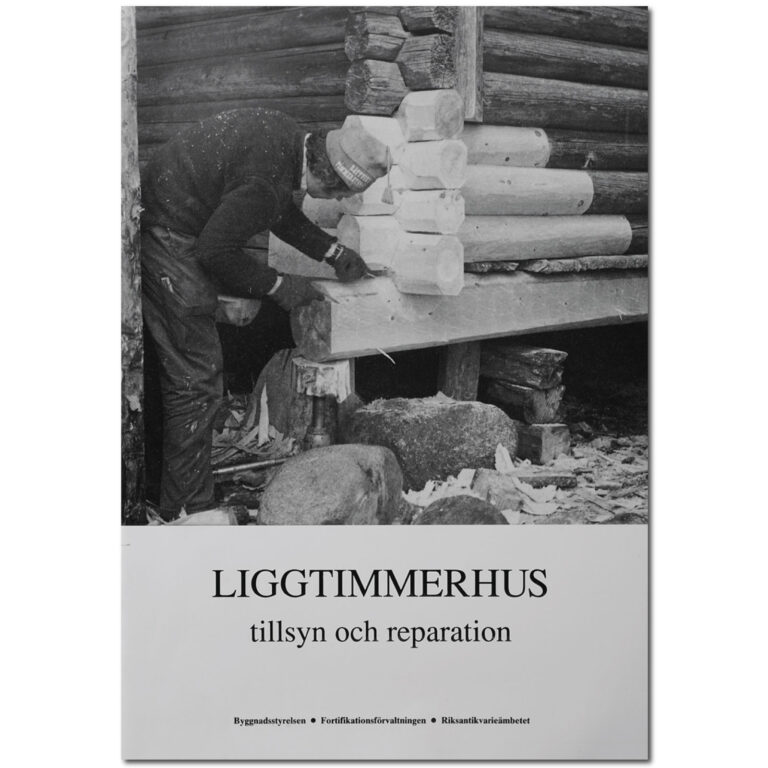
Log house, writing

Supervision and repair. No building type has such historical roots as the log house. It has been a house for both the common man and the gentry and has come to characterize our older building environment to a great extent.

The report shows how log houses can be cared for and repaired to preserve their heritage value. The key is careful supervision and repairs that are adapted to the authentic log technique.

The report is written for both property owners and construction professionals. Richly illustrated.

175 SEK

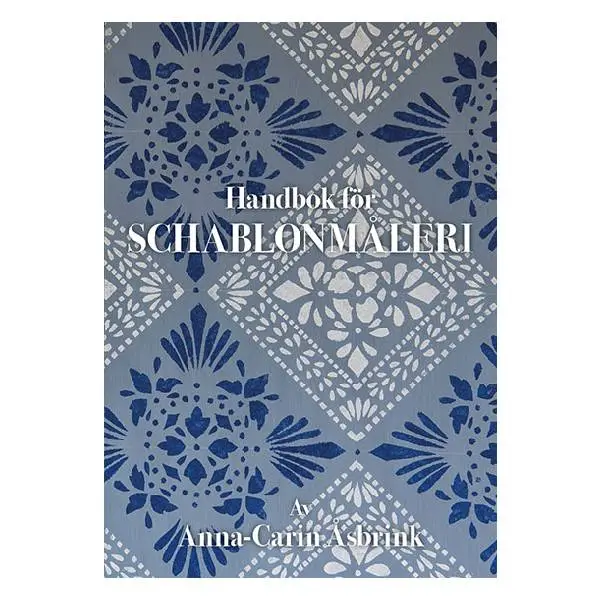
Handbook for stenciling

The Painting Workshop works on renovating old paintings, repainting using old techniques and developing new products inspired by the traditional painting of the Hälsingland farms. The Painting Workshop holds lectures and workshops on painting at the World Heritage Farms in Hälsingland.

Anna-Carin Åsbrink has been working with old painting techniques for over 40 years and shares here the many skills in stencil painting she has accumulated over the years.

The 24-page booklet describes stenciling on walls, borders and blinds. Includes tips on tools, techniques and color mixing of egg oil tempera. It also describes paintings from Hälsingland, which at the same time is universal for all stencil painting.

290 SEK

Cinder blocks and cinder houses

Houses made of slag – many have never seen them, others stand in awe of the slag bricks that shimmer in blue, green, gray and even change color with the light. Intriguing structures, tiny lumps of iron, charcoal striations – what can’t you find when you take a closer look at the building material? What is it, many people ask today. When were the houses built? Why was cinder block made?

Slagstone is our first artificial building stone, used in ore fields as an alternative to building timber. The forest was needed for the production of charcoal, the fuel for smelting ore and the extraction of copper and iron. The metals were exported, bringing income to Sweden and raising people’s standard of living. Slag was a by-product of metal production. The metals have been sold around the world, the workplaces are closed down and gone – but the slag remains and tells us – about ores and technological development, about heavy manual labor and skilled craftsmanship. No two cinder blocks are the same. Never again can one be made.

DESCRIPTION The book aims to raise awareness of the buildings. The oldest ones date from the 18th century, the youngest from the early 20th century. They are churches or cellars and everything in between. The pictures aim to show how amazing the buildings are and the text provides information about their background, construction and care. The hope is that people will be inspired to take pride in the slag houses and care for these unique buildings, made from a material that is irreplaceable today.

TIP Don’t forget to take a look at our beautiful Bagarstuga in Gysinge, which is built of cinder block.

395 SEK

Wallpaper through the ages

Wallpaper through the ages – Perspectives from the Engelsberg Mill World Heritage Site.

Wallpaper has been one of our most important wall decorations for centuries and in various forms. Attitudes towards wallpaper have changed over time, especially in recent decades, but today there is a strong and growing interest in wallpaper and the historic preservation of buildings.

This book, which is the first stand-alone volume in a series on the Engelsberg Mill World Heritage Site, contributes to a better understanding of the history of wallpaper. Through the rich array of illustrations, both historical and modern, experts in several subjects share their in-depth knowledge of wallpaper, both as a craft and as an expression of different decorative ideals.

130 illustrations. Edition: French binding with gold foil and printed cover, wire-bound. 24 x 31 cm. 200 pages.

Authors: Erika Åberg, Lars Sjöberg, Stina Olinder Haubo, Ursula Sjöberg, Mats Qwarfordt, Martin Olin, Sara Lundström.

Editors-in-chief: Svante Holmbaek Tirén, Kurt Almqvist.

Design: Patric Leo.

395 SEK

The tiled stove in Sweden

The tiled stove in Sweden – part two in the series Perspectives from the Engelsberg World Heritage Site.

Until the beginning of the 20th century, the tiled stove remained by far the most important source of heat in Swedish homes. Both the technology and the aesthetics were refined, even though the same basic principle is still used today in tiled stove installations. Today, the tiled stove is an important example of the Enlightenment’s work with technology, science and craftsmanship.

In 1767, the architect and superintendent Carl Johan Cronstedt presented a memorial entitled “Beskrifning på Ny Inrättning af Kakelugnar til Weds Besparing för Rikets råd”. It described a revolutionary construction that would change Swedish architecture and housekeeping for the next hundred and fifty years: the modern tiled stove.

The anthology is part of the series Perspectives from the Engelsberg Mill World Heritage Site. Previously published titles in the series are Tapeter genom tiderna. Future titles will also include Gardens during the age of the mills.

The editors-in-chief are Kurt Almqvist and Svante Helmbaek Tirén.

395 SEK

Building maintenance for apartments

Building Care for Apartments takes its starting point in the emergence of the modern city at the end of the 19th century and allows us to follow the development of the Swedish apartment decade by decade, until the end of the 1980s. By highlighting how political forces have interacted with aesthetic ideals and construction technology, the book provides a unique insight into why our homes look the way they do. From the design of residential areas and the appearance of facades, to the division of rooms, the colors of walls and the specific profiles of skirting boards. In an accessible way, you will learn about the rich history hidden behind the perhaps worn floors or flaking wallpaper.

The second part of the book consists of an extensive chapter devoted entirely to the practical aspects of renovation and apartment care. It presents concrete strategies for approaching and dealing with issues related to care and renovation, as well as practical tips on how best to proceed when faced with the need to restore or replace something.

Building Conservation for Apartments is an indispensable tool for anyone interested in preserving their apartment and its history.

445 SEK

Related articles

There are no related articles for this product.

Please leave a comment what you think about our new webshop