[currency_switcher]

SKU: 3081-66

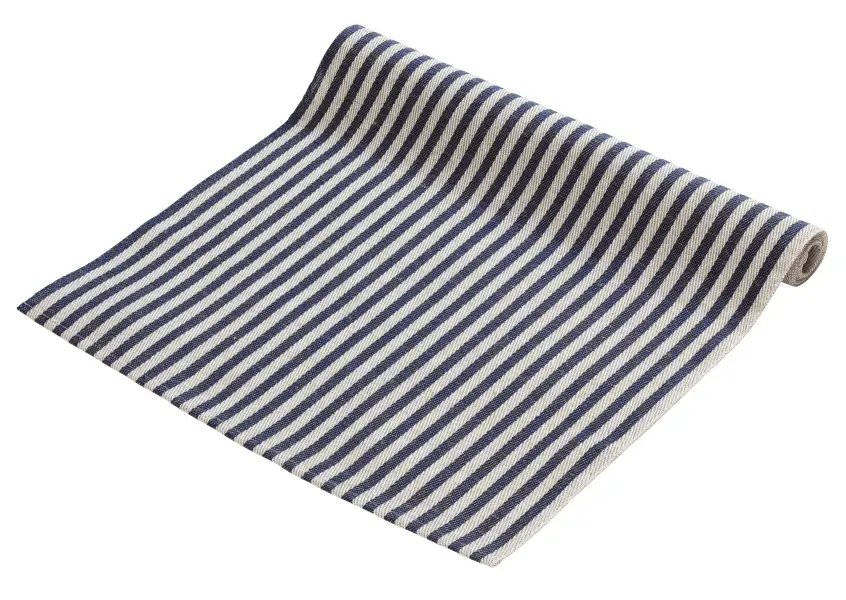
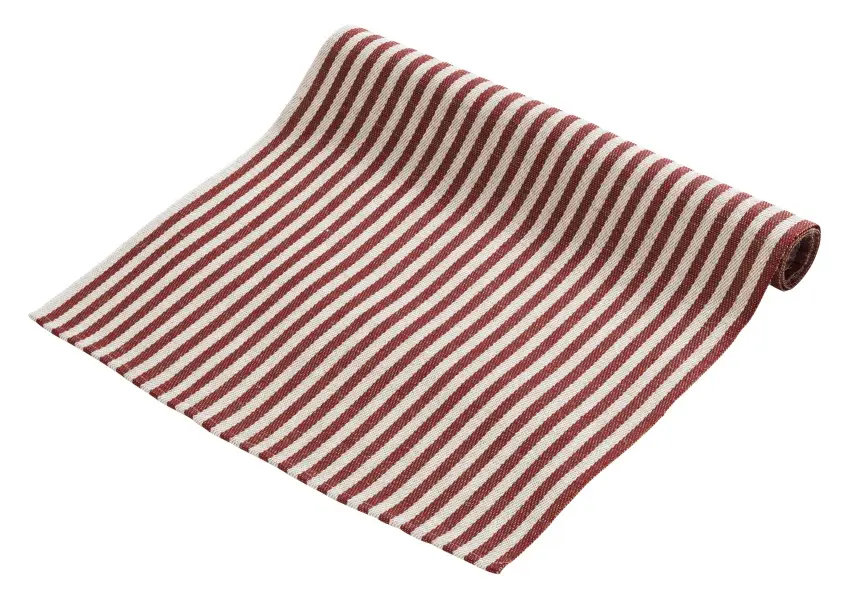
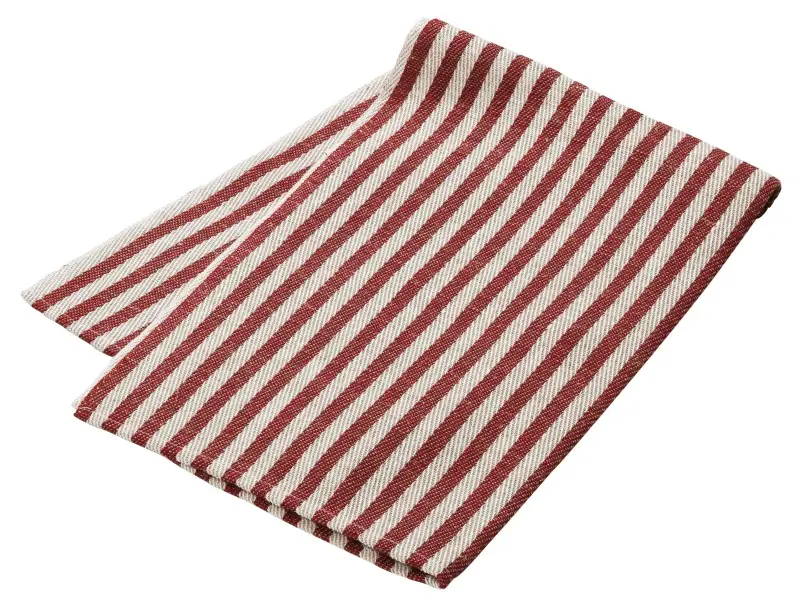
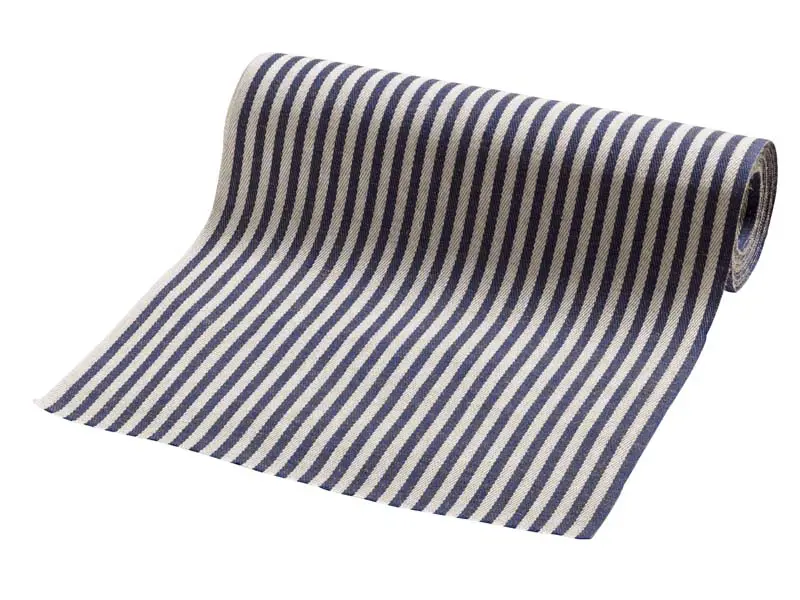
Towel roller blind fabric red

325 SEK

Available in central stock
Quick facts

Andreas Skatter

Weight 0,22 kg
Längd

75 cm

Bredd

50 cm

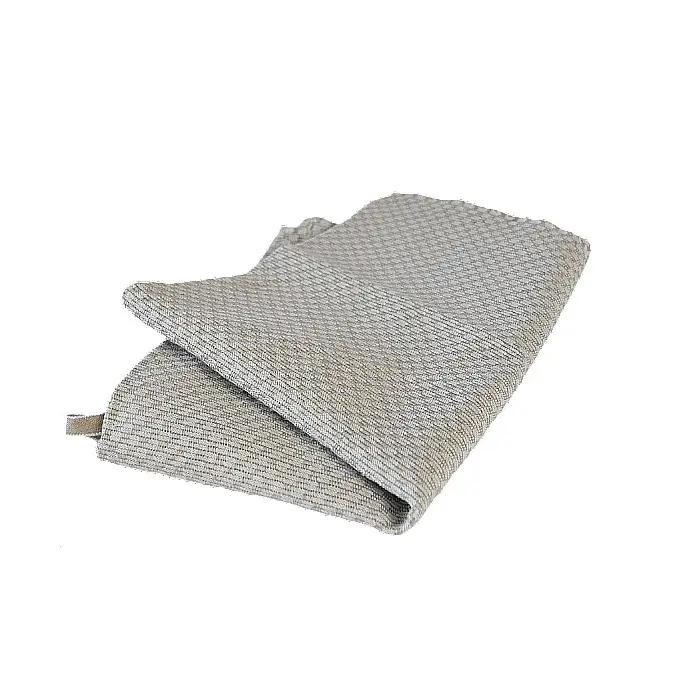
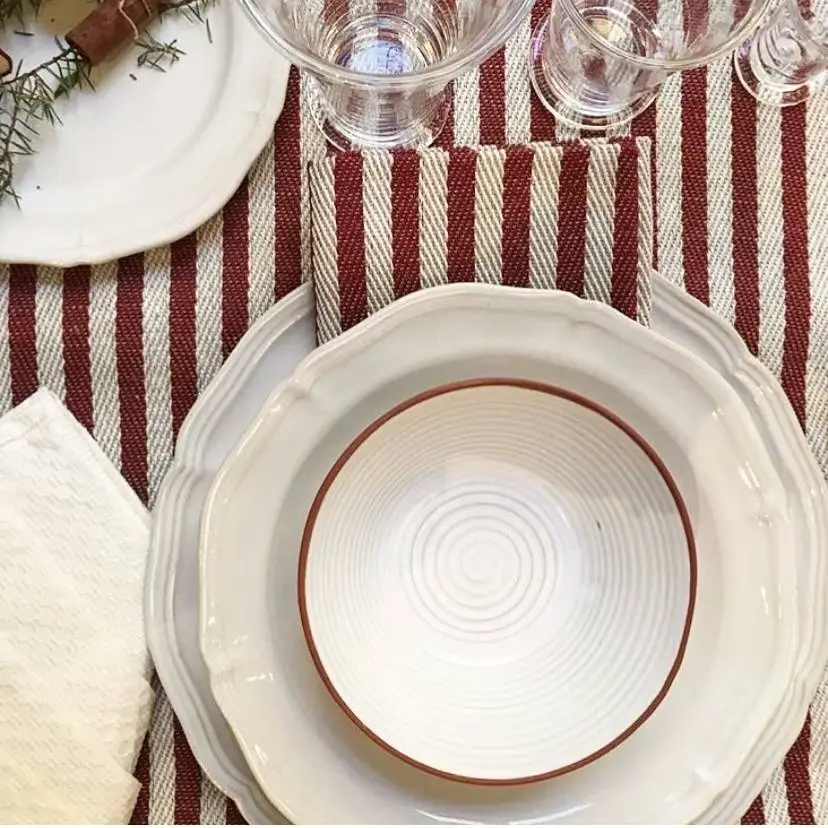
Towel made of roller blind fabric.

The model for this rustic fabric, which is woven especially for Gysinge, comes from a farm in Hälsingland and dates from the early 1800s.The roller blind fabrics are woven with a shuttle in old-fashioned looms and therefore have smooth, fine and strong selvedges, which do not need to be hemmed or cut.

This fabric is a quality product that gets more and more beautiful the more you use it and wash it.
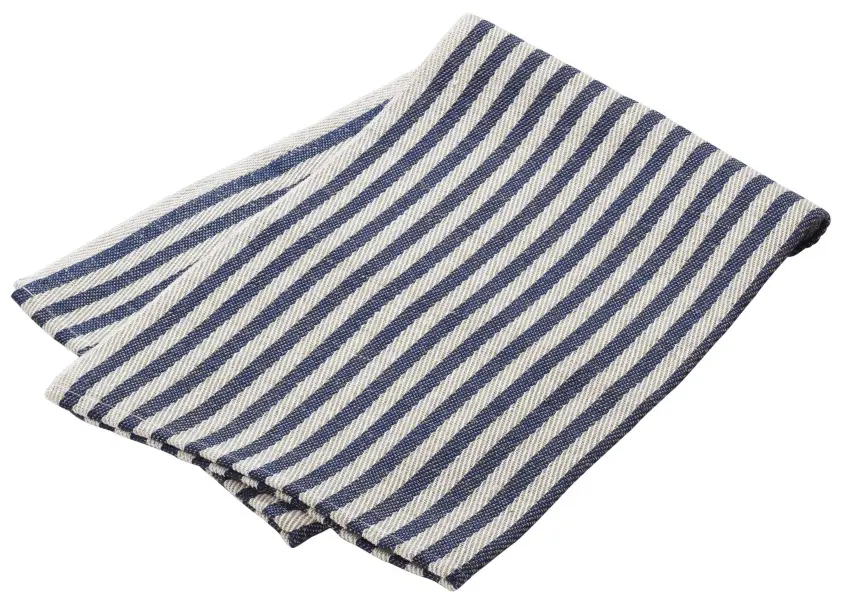
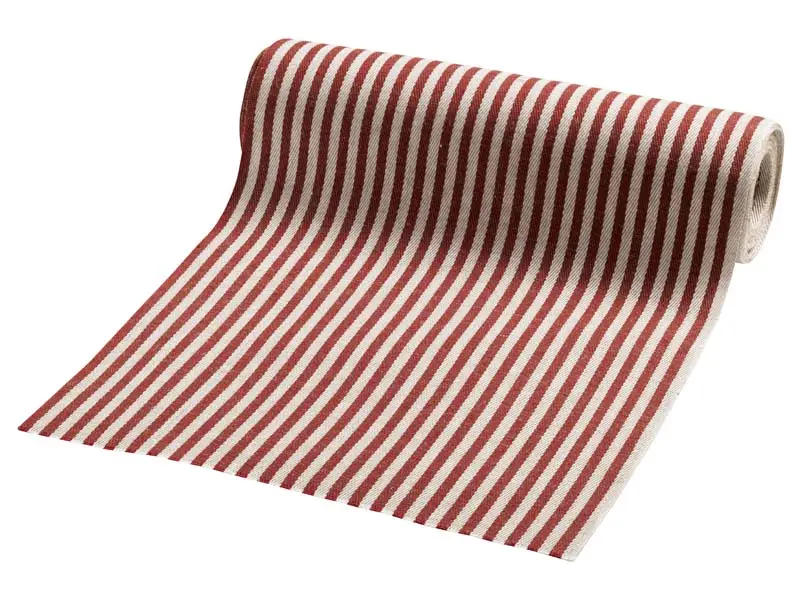
Coarse linen fabric. Cypress technique. The towels have loops at both ends.

Description

Towel made of roller blind fabric.

The model for this rustic fabric, which is woven especially for Gysinge, comes from a farm in Hälsingland and dates from the early 1800s.The roller blind fabrics are woven with a shuttle in old-fashioned looms and therefore have smooth, fine and strong selvedges, which do not need to be hemmed or cut.

This fabric is a quality product that gets more and more beautiful the more you use it and wash it.
Andreas Skatter

Weight 0,22 kg
Längd

75 cm

Bredd

50 cm

Reviews

There are no reviews yet

Be the first to review “Towel roller blind fabric red”

Your email address will not be published. Required fields are marked *

Washing instructions:

Shrinks up to 9 percent.

Machine wash at least 60 degrees.

Use detergents without bleach.

Hang the fabric fairly wet, so it will be easier to iron.

It is best to cold-iron the fabric when it is slightly damp, or iron it with a steam iron.

You may also need to

Related products

Single hook

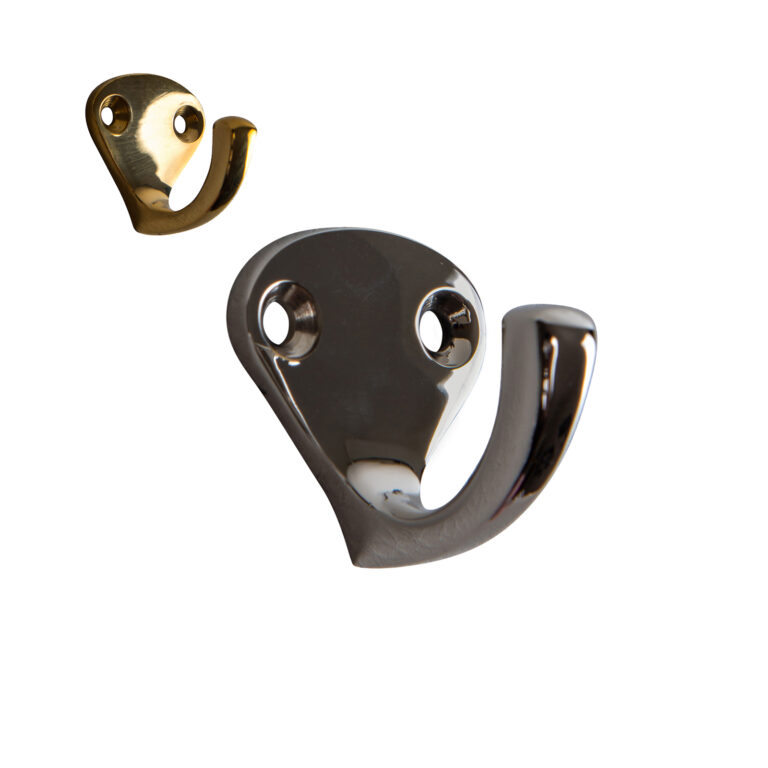
Single hook in nickel-plated or untreated brass. Common during the period 1920 – 1965. Screw included.

Price range: 55 SEK through 60 SEK

Cabinet rule 5181

Model: Albert Karlsson Metallfabriksbolag “Ticka Standard”

Period: 1930-1960

An end cap is included.

This model is intended for overlapping doors.

It is placed vertically at the top edge of the door on lower cabinets (as shown), vertically but upside down compared to the picture at the bottom edge of upper cabinets, and horizontally on the side of the door on upper cabinets.

When installing cabinet frames on lacquered cabinet doors, the screws should not be overtightened to avoid cracking the lacquer.

Use a screwdriver instead of a screwdriver.

Screw not included.

Matching screw number 9 for the bolt and screw number 19 for the end plate

125 SEK

Screw hook nickel-plated small

Turn-of-the-century screw hook made of solid nickel-plated brass with iron screw part. Common in the past as a clothes hook in rooms and hallways, as a towel rack in kitchens, etc.

Also available in brass. See related products.

Total length about 50 mm, of which the hook 30 mm

145 SEK

Kitchen hook chrome

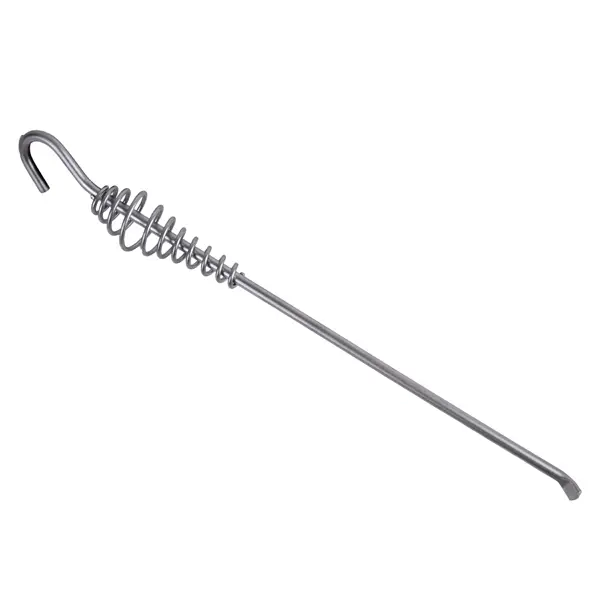
Stove hook for wood stove and fireplace of traditional 1900s model. Adapted in dimensions to older stove model.

Chrome-plated iron. Length 38 cm.

495 SEK

Flowerpot

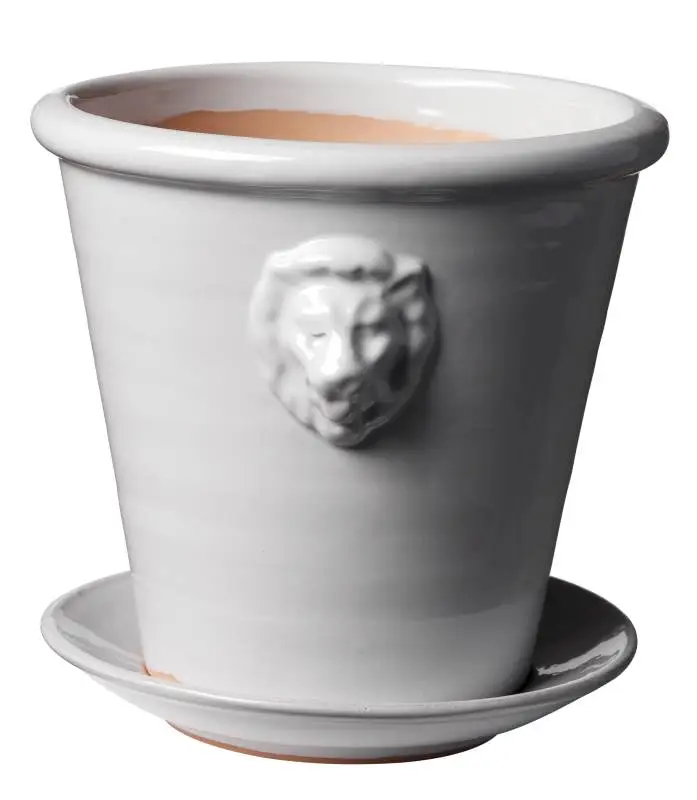
Hand-turned flowerpots and saucers of the traditional variety. Flowerpot production became an industry and mass production in Sweden around the turn of the century 1900. Before then, all pots were made by hand, as were the saucers. The profession was called pottery. Typical of handmade pots is that you can see the potter’s hands in the ware. The imprints from the hand-turning process create low ridges on the surface and show through on the outside. A hand-turned pot is therefore not as smooth as a machine pot, it is more personal and has more life and variety. A detail that also reveals the real craftsmanship is the soft, rounded rim at the top. It can certainly be made by machine, but it will never be as soft and individual as on a hand-turned pot.

545 SEK

Flower pot red

Hand-turned flower pot with barrel of traditional variety. Red flower pot that was developed as a special product for Christmas a few years ago but is now part of the regular range.

Flowerpot production became an industry and mass production in Sweden around the turn of the century 1900. Before then, all pots were made by hand, as were the saucers. The profession was called pottery.

Typical of handmade pots is that you can see the potter’s hands in the ware. The imprints from the hand-turning process create low ridges on the surface and show through on the outside. A hand-turned pot is therefore not as smooth as a machine pot, it is more personal and has more life and variety.

A detail that also reveals the real craftsmanship is the soft, rounded rim at the top. It can certainly be made by machine, but it will never be as soft and individual as on a hand-turned pot.

545 SEK

Related articles

There are no related articles for this product.

Please leave a comment what you think about our new webshop