SKU: 2130

Flowerpot

EUR49.87

Make a choise
Quick facts

Additional Information

WeightN/A
Color

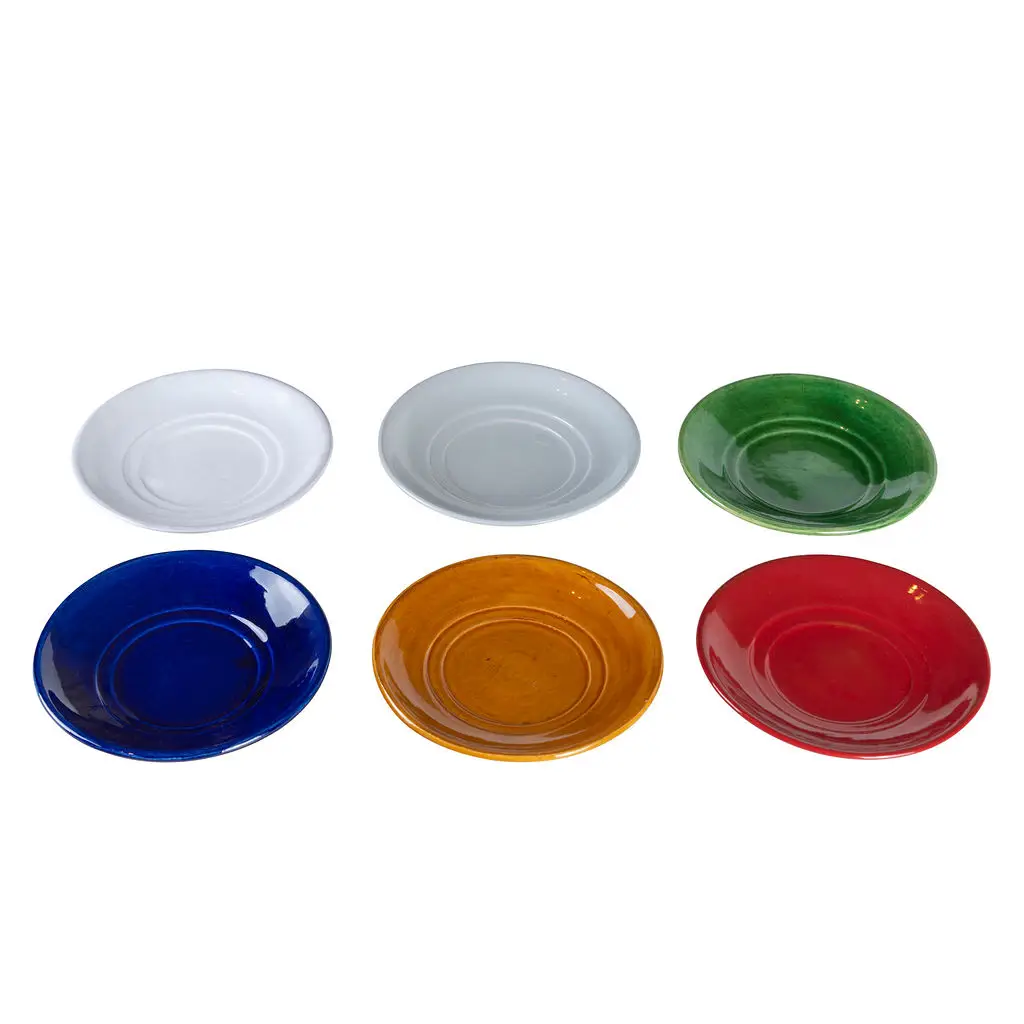
White, Blue, Gray, Green, Yellow

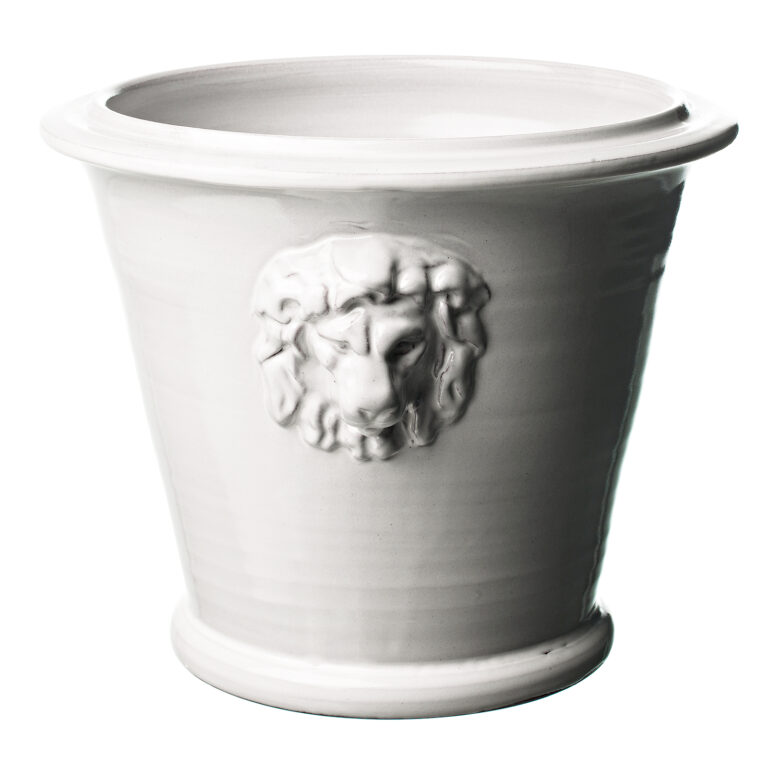
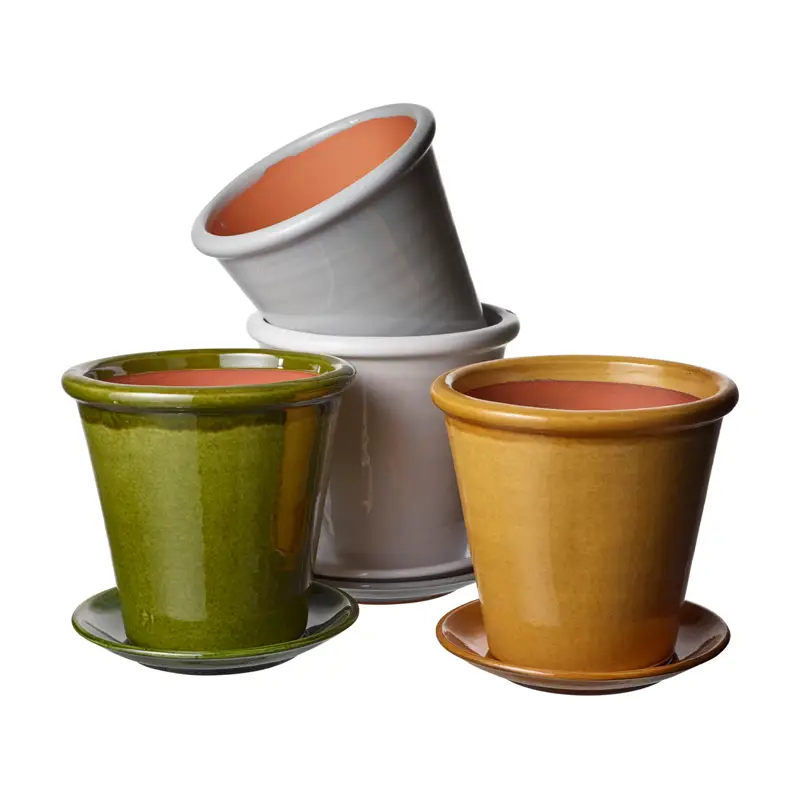
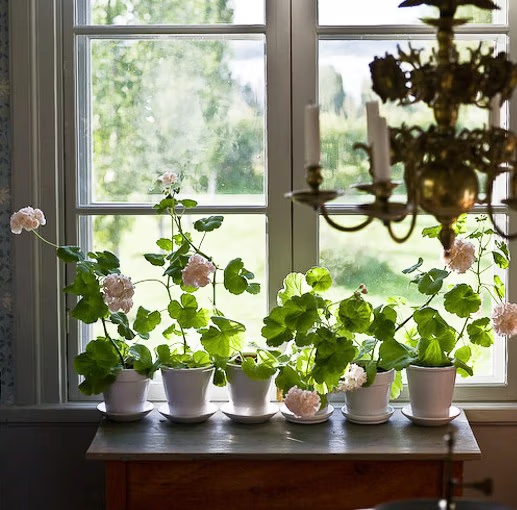
Hand-turned flowerpots and saucers of the traditional variety. Flowerpot production became an industry and mass production in Sweden around the turn of the century 1900. Before then, all pots were made by hand, as were the saucers. The profession was called pottery. Typical of handmade pots is that you can see the potter’s hands in the ware. The imprints from the hand-turning process create low ridges on the surface and show through on the outside. A hand-turned pot is therefore not as smooth as a machine pot, it is more personal and has more life and variety. A detail that also reveals the real craftsmanship is the soft, rounded rim at the top. It can certainly be made by machine, but it will never be as soft and individual as on a hand-turned pot.
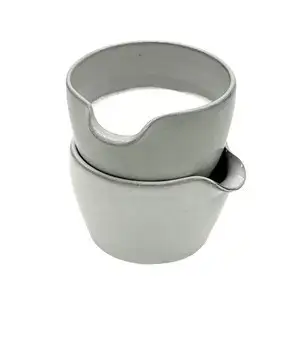
Hand-turned terracotta clay pot.

Tips! As the pots are made of clay, they are not completely watertight. Place the pot on paws or similar to avoid moisture under the saucer. We do not recommend planting directly in the pot.

Description

Hand-turned flowerpots and saucers of the traditional variety. Flowerpot production became an industry and mass production in Sweden around the turn of the century 1900. Before then, all pots were made by hand, as were the saucers. The profession was called pottery. Typical of handmade pots is that you can see the potter’s hands in the ware. The imprints from the hand-turning process create low ridges on the surface and show through on the outside. A hand-turned pot is therefore not as smooth as a machine pot, it is more personal and has more life and variety. A detail that also reveals the real craftsmanship is the soft, rounded rim at the top. It can certainly be made by machine, but it will never be as soft and individual as on a hand-turned pot.
Additional Information

WeightN/A
Color

White, Blue, Gray, Green, Yellow

Reviews

There are no reviews yet

Be the first to review “Flowerpot”

Your email address will not be published. Required fields are marked *

You may also need to

Related products

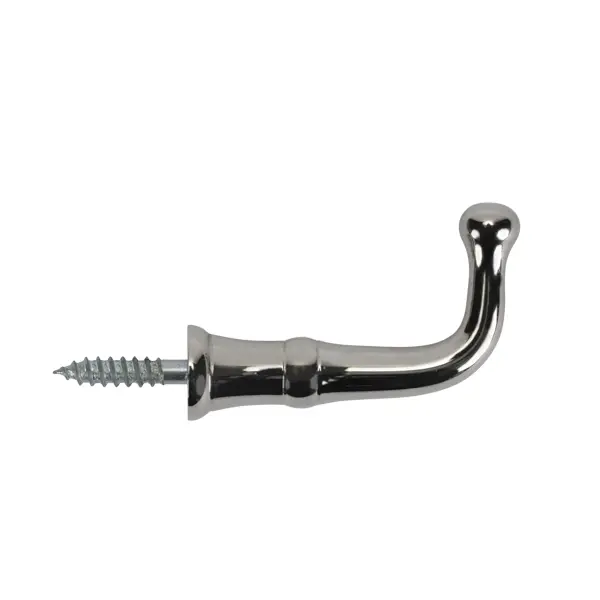
Screw hook nickel-plated small

Turn-of-the-century screw hook made of solid nickel-plated brass with iron screw part. Common in the past as a clothes hook in rooms and hallways, as a towel rack in kitchens, etc.

Also available in brass. See related products.

Total length about 50 mm, of which the hook 30 mm

EUR13.27

Towel unbleached

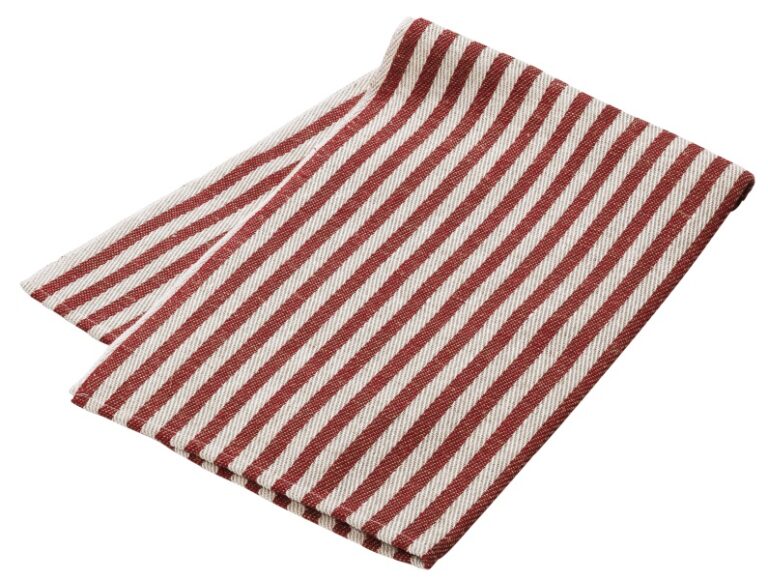
The traditional kitchen and toilet towel in “poor man’s suit” in classic white, blue, unbleached and red.

50% cotton, 50% linen of bleached quality with elements of bleached and unbleached yarn.

Shrinks about 7% on first wash. Machine wash recommended, preferably 90 degrees after heavy soiling, otherwise 40 or 60 degrees. Can be ironed or mangled. As towels, it is sufficient to hang them smooth after washing and then fold them. Stains are removed with linseed oil soap. Sold as towels in four different colors and as white napkins.

The towels from Gysinge have an interesting history. Until the 1980s, Gysinge was a nursing home run by the county council. To create employment for the 60 or so mentally ill people who stayed at the home, there was, among other things, a weaving room. Many of the inmates spent a long time in the weaving room, which gave them a more meaningful existence – and the county council a cash injection. At the home, real fabrics were woven, not therapy work in the modern, negative sense. For example, all the curtains, tablecloths and napkins were woven for the reopening of Gysinge Manor in the 1960s. This towel fabric is a so-called sieve weave (the pattern looks like a sieve – but only appears after washing!), woven to order for a guesthouse in Järvsö in the 60s. The weaving method is also called poor man’s cloth, a weaving method that produced a fabric that looks much more exclusive than it really is. The weaving method is very old and produces a highly absorbent and durable fabric, which has always been used for towels and tablecloths. The fabric is most beautiful if you mangle it, then the shiny linen threads in the weft are emphasized, against the duller warp of cotton. The quality only becomes more beautiful the more you wear the fabric.

EUR24.25

Flushing nozzle

A Rolls-Royce for the garden is this jet nozzle in solid brass. It is attached to the garden hose – a suitable hose clamp is included – and allows you to adjust the water flow from a narrow jet to a shower. Light years from today’s plastic gardening items.

EUR47.12

Knob board with 4 turned knobs

Coat rack in pine after a model from around 1870. Turned knobs. The board is edged all around with carnis profile. Sturdy and useful for clothes, work clothes, in kitchens for towels and aprons, etc. Was usually painted in the same color as the other carpentry in the room. Two lengths, one with four knobs and one with six.

EUR56.27

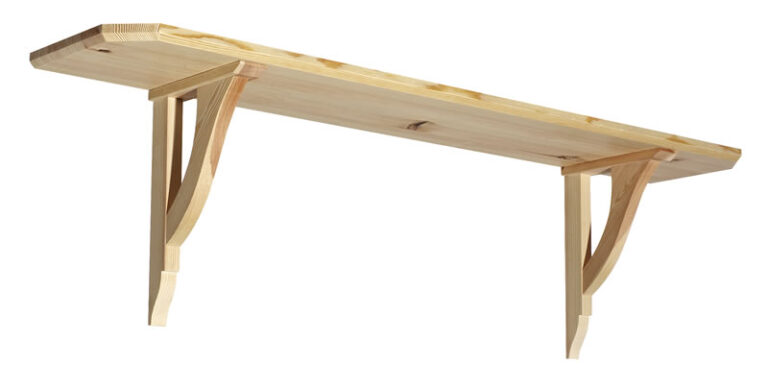
Kitchen shelf complete

Kitchen shelf in simple Art Nouveau style after a model from around 1905. Originally made as a counter shelf with shelves of rib where household utensils were placed for drainage.

Pine, untreated. One shelf. Length 125 cm, width 28 cm, height (bracket) 340 mm, thickness 2 cm.

Additional freight.

EUR150.52

Tile beveled edges 15x15cm 0,5 sqm

The Gysinge tile is a beveled tile for bathrooms and kitchens of a model that was common in Sweden in the late 19th and early 20th centuries. Several Swedish tile manufacturers existed at the time, including Ekeby Bruk in Uppsala.

What distinguishes Swedish tiles from international models is that Swedish tiles are usually square, not rectangular, and that they are available in so many parts, including half-tiles, borders and moldings, that a complete set can be made. The tiles are thick and strong and have a vibrant surface precisely because they are handmade and fired in old kilns. The glazing is also done by hand, which further enhances the rustic impression. All tiles are labeled “Gysinge” on the back.

EUR164.24

Related articles

There are no related articles for this product.

Flowerpot

Hand-turned flowerpots and saucers of the traditional variety. Flowerpot production became an industry and mass production in Sweden around the turn of the century 1900. Before then, all pots were made by hand, as were the saucers. The profession was called pottery. Typical of handmade pots is that you can see the potter's hands in the ware. The imprints from the hand-turning process create low ridges on the surface and show through on the outside. A hand-turned pot is therefore not as smooth as a machine pot, it is more personal and has more life and variety. A detail that also reveals the real craftsmanship is the soft, rounded rim at the top. It can certainly be made by machine, but it will never be as soft and individual as on a hand-turned pot.
Please leave a comment what you think about our new webshop

This site is registered on wpml.org as a development site. Switch to a production site key to remove this banner.