SKU: 3081-66

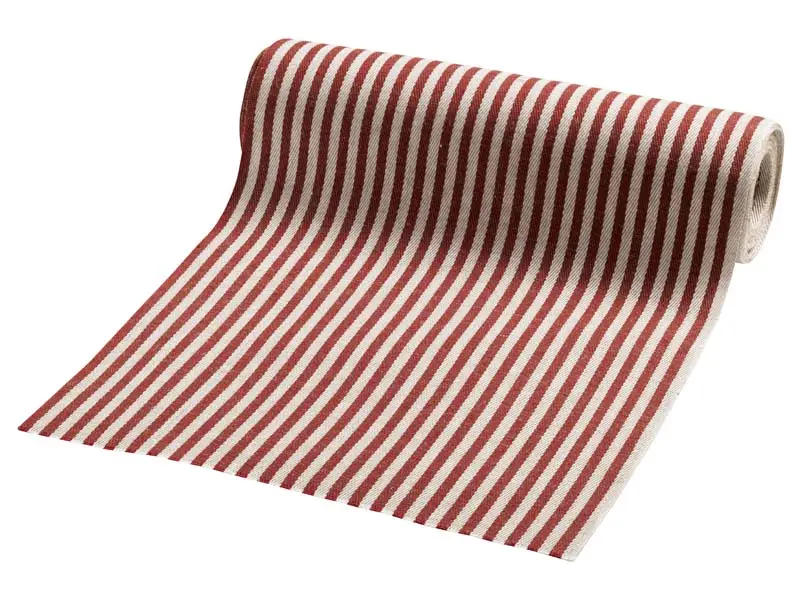
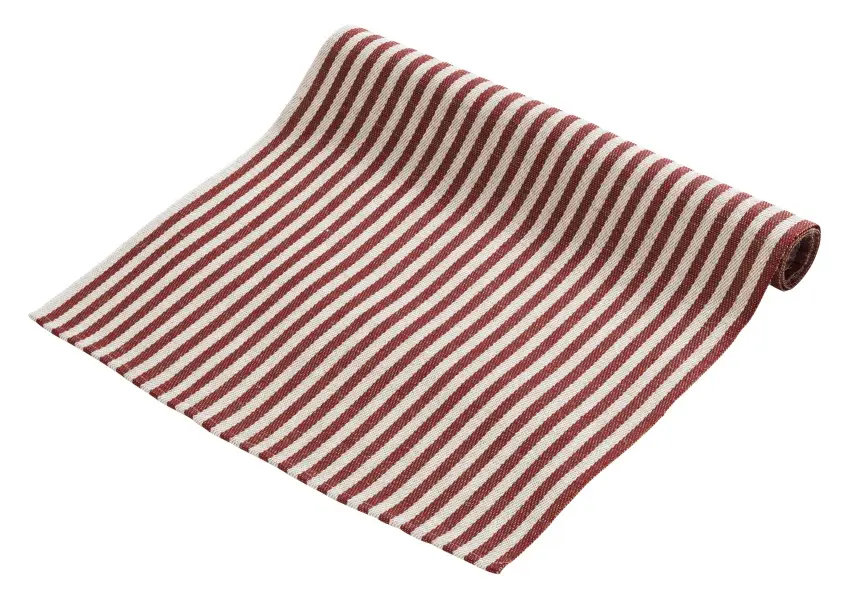
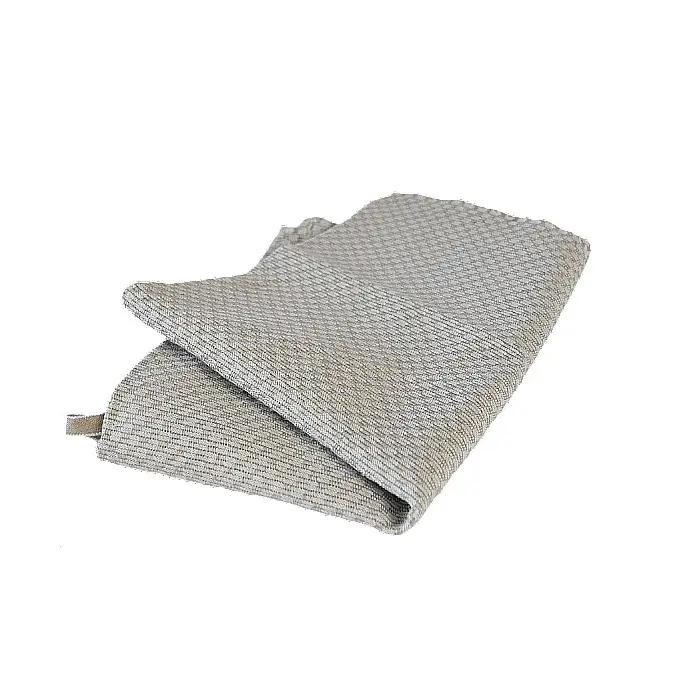
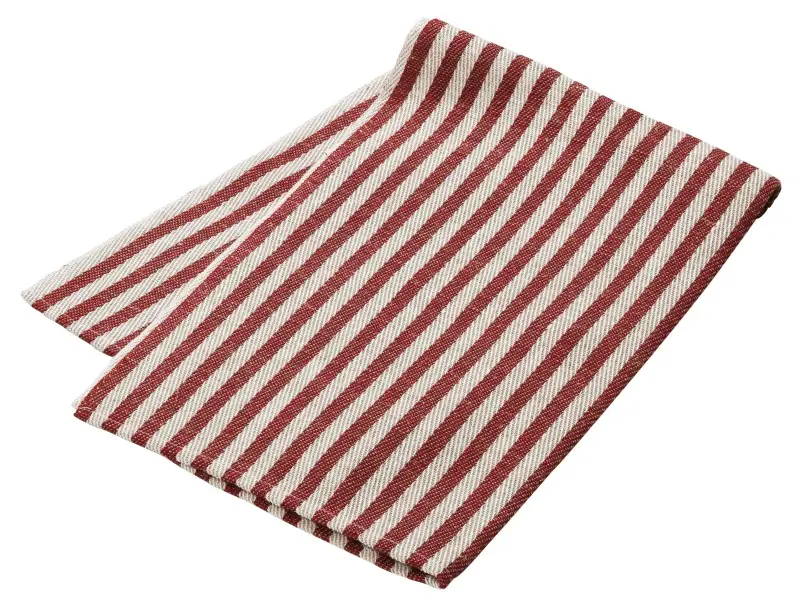
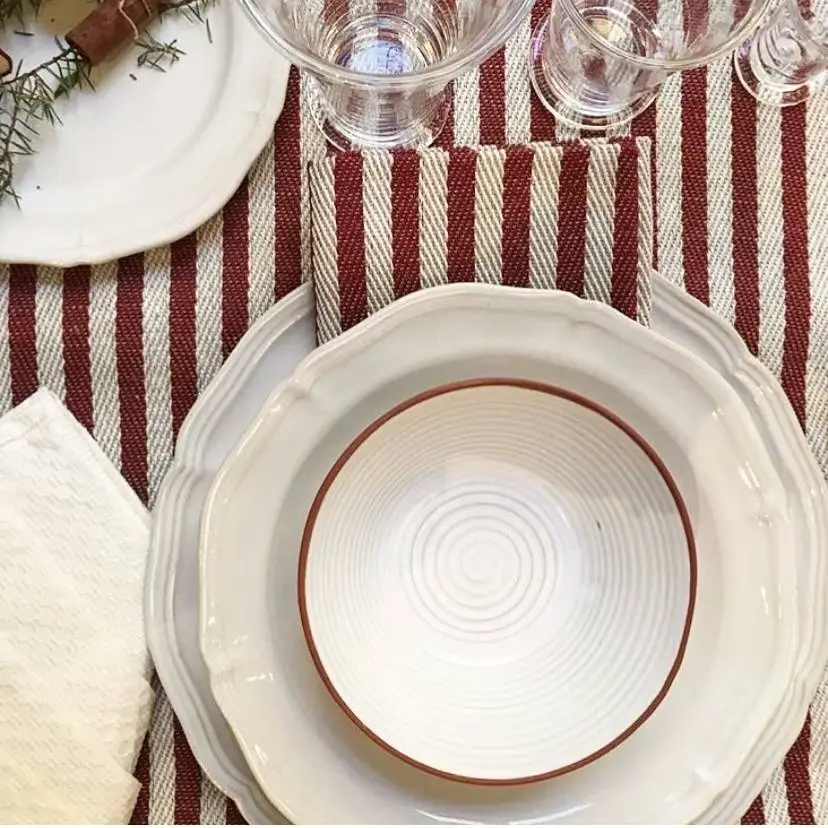
Towel roller blind fabric red

EUR29.74

Available in central stock
Quick facts

Andreas Skatter

Weight 0.22 kg
Length

75 cm

Width

50 cm

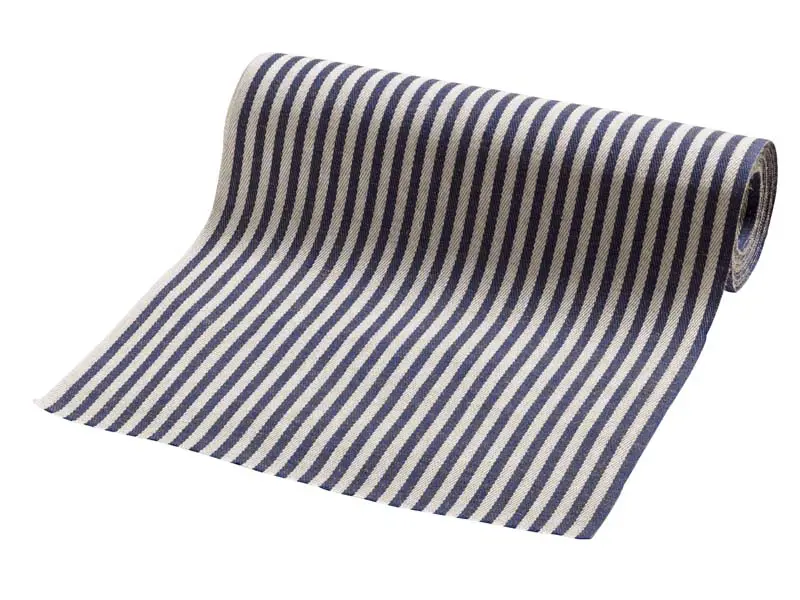
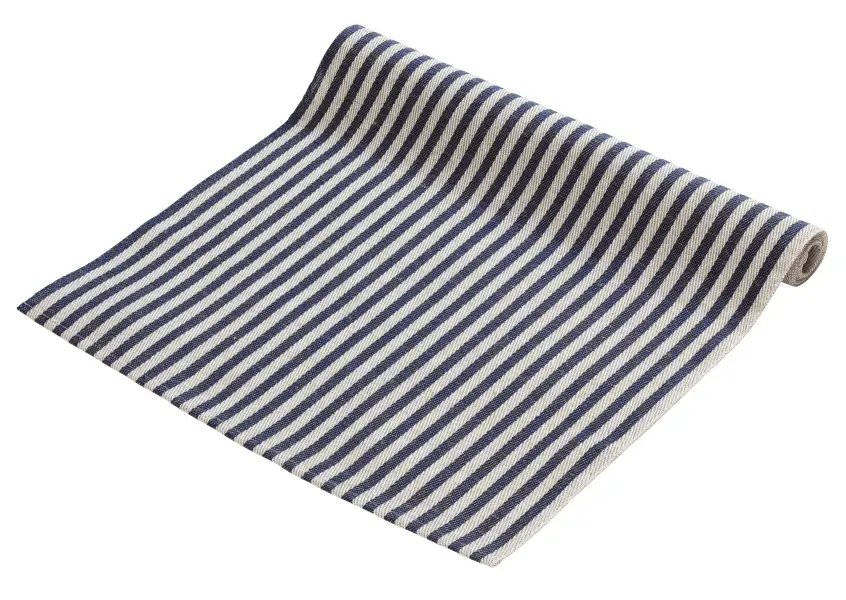
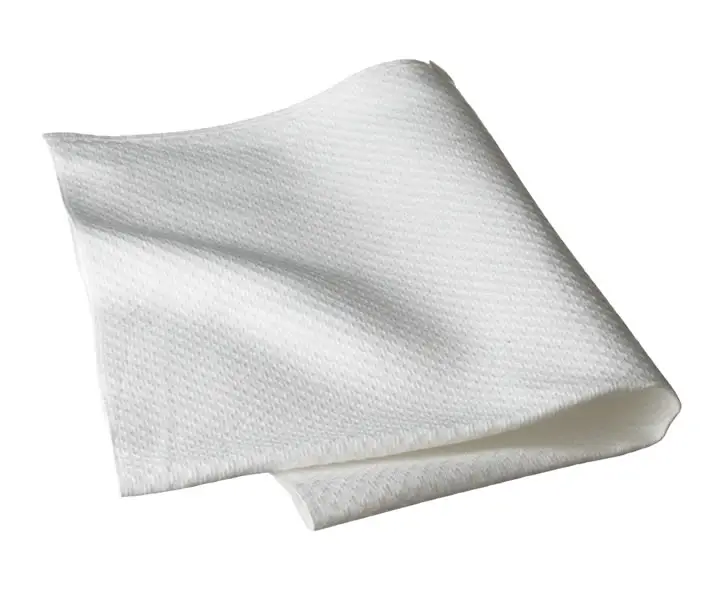
Towel made of roller blind fabric.

The model for this rustic fabric, which is woven especially for Gysinge, comes from a farm in Hälsingland and dates from the early 1800s.The roller blind fabrics are woven with a shuttle in old-fashioned looms and therefore have smooth, fine and strong selvedges, which do not need to be hemmed or cut.

This fabric is a quality product that gets more and more beautiful the more you use it and wash it.

Coarse linen fabric. Cypress technique. The towels have loops at both ends.

Description

Towel made of roller blind fabric.

The model for this rustic fabric, which is woven especially for Gysinge, comes from a farm in Hälsingland and dates from the early 1800s.The roller blind fabrics are woven with a shuttle in old-fashioned looms and therefore have smooth, fine and strong selvedges, which do not need to be hemmed or cut.

This fabric is a quality product that gets more and more beautiful the more you use it and wash it.

Andreas Skatter

Weight 0.22 kg
Length

75 cm

Width

50 cm

Reviews

There are no reviews yet

Be the first to review “Towel roller blind fabric red”

Your email address will not be published. Required fields are marked *

Washing instructions:

Shrinks up to 9 percent.

Machine wash at least 60 degrees.

Use detergents without bleach.

Hang the fabric fairly wet, so it will be easier to iron.

It is best to cold-iron the fabric when it is slightly damp, or iron it with a steam iron.
You may also need to

Related products

Kitchen hook chrome

Stove hook for wood stove and fireplace of traditional 1900s model. Adapted in dimensions to older stove model.

Chrome-plated iron. Length 38 cm.

EUR45.29

Flowerpot

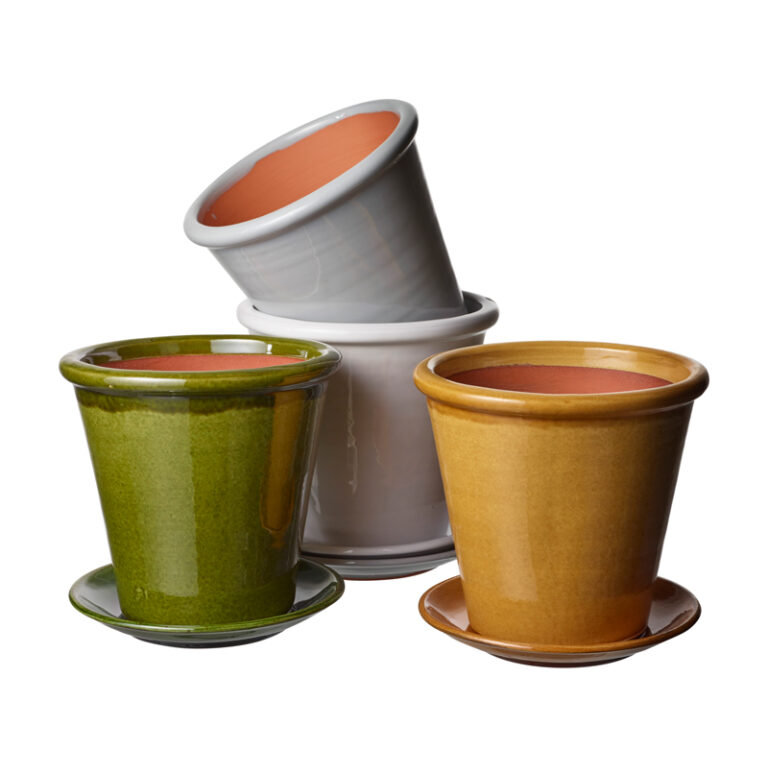
Hand-turned flowerpots and saucers of the traditional variety. Flowerpot production became an industry and mass production in Sweden around the turn of the century 1900. Before then, all pots were made by hand, as were the saucers. The profession was called pottery. Typical of handmade pots is that you can see the potter’s hands in the ware. The imprints from the hand-turning process create low ridges on the surface and show through on the outside. A hand-turned pot is therefore not as smooth as a machine pot, it is more personal and has more life and variety. A detail that also reveals the real craftsmanship is the soft, rounded rim at the top. It can certainly be made by machine, but it will never be as soft and individual as on a hand-turned pot.

EUR49.87

Flower pot red

Hand-turned flower pot with barrel of traditional variety. Red flower pot that was developed as a special product for Christmas a few years ago but is now part of the regular range.

Flowerpot production became an industry and mass production in Sweden around the turn of the century 1900. Before then, all pots were made by hand, as were the saucers. The profession was called pottery.

Typical of handmade pots is that you can see the potter’s hands in the ware. The imprints from the hand-turning process create low ridges on the surface and show through on the outside. A hand-turned pot is therefore not as smooth as a machine pot, it is more personal and has more life and variety.

A detail that also reveals the real craftsmanship is the soft, rounded rim at the top. It can certainly be made by machine, but it will never be as soft and individual as on a hand-turned pot.

EUR49.87

Tile beveled edges 15x15cm 0,5 sqm

The Gysinge tile is a beveled tile for bathrooms and kitchens of a model that was common in Sweden in the late 19th and early 20th centuries. Several Swedish tile manufacturers existed at the time, including Ekeby Bruk in Uppsala.

What distinguishes Swedish tiles from international models is that Swedish tiles are usually square, not rectangular, and that they are available in so many parts, including half-tiles, borders and moldings, that a complete set can be made. The tiles are thick and strong and have a vibrant surface precisely because they are handmade and fired in old kilns. The glazing is also done by hand, which further enhances the rustic impression. All tiles are labeled “Gysinge” on the back.

EUR164.24

Pantry shelf complete

A well-made three-tiered shelf modeled on a pantry in Gävle from the 1890s. A good example of the care that was put into the carpentry of even the simplest of living spaces.

EUR429.59

Kitchen stove rod brass 1.5 m complete

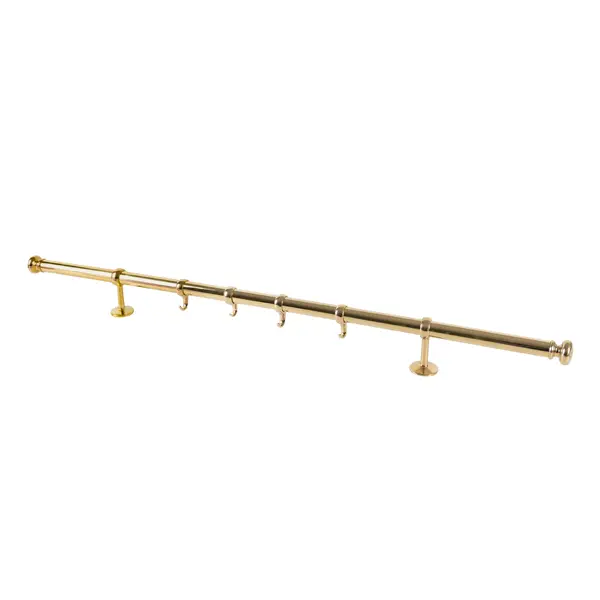
Rod to attach above the kitchen stove for kitchen utensils, potholders etc. Can also be used as a towel rack in bathrooms. The model was common from the late 1800s until the 1930s.

MATERIAL Made of solid brass or in nickel-plated version. Polished shiny surface, but not lacquered. The brass darkens over time if you do not polish it.

MOUNTING The wall brackets have sturdy iron screws (3.5 mm) that are screwed (carefully!) into the wall. The hooks and brackets are then screwed onto the pole. Last of all, you tighten the screws that prevent the bar from rolling.

TIP! The bar can be shortened by sawing it off. It can also be connected to another pole if you want a longer version. In this case, a wall bracket should be placed over the joint.

EUR447.44

Related articles

There are no related articles for this product.

Please leave a comment what you think about our new webshop

This site is registered on wpml.org as a development site. Switch to a production site key to remove this banner.