SKU: 3091-37

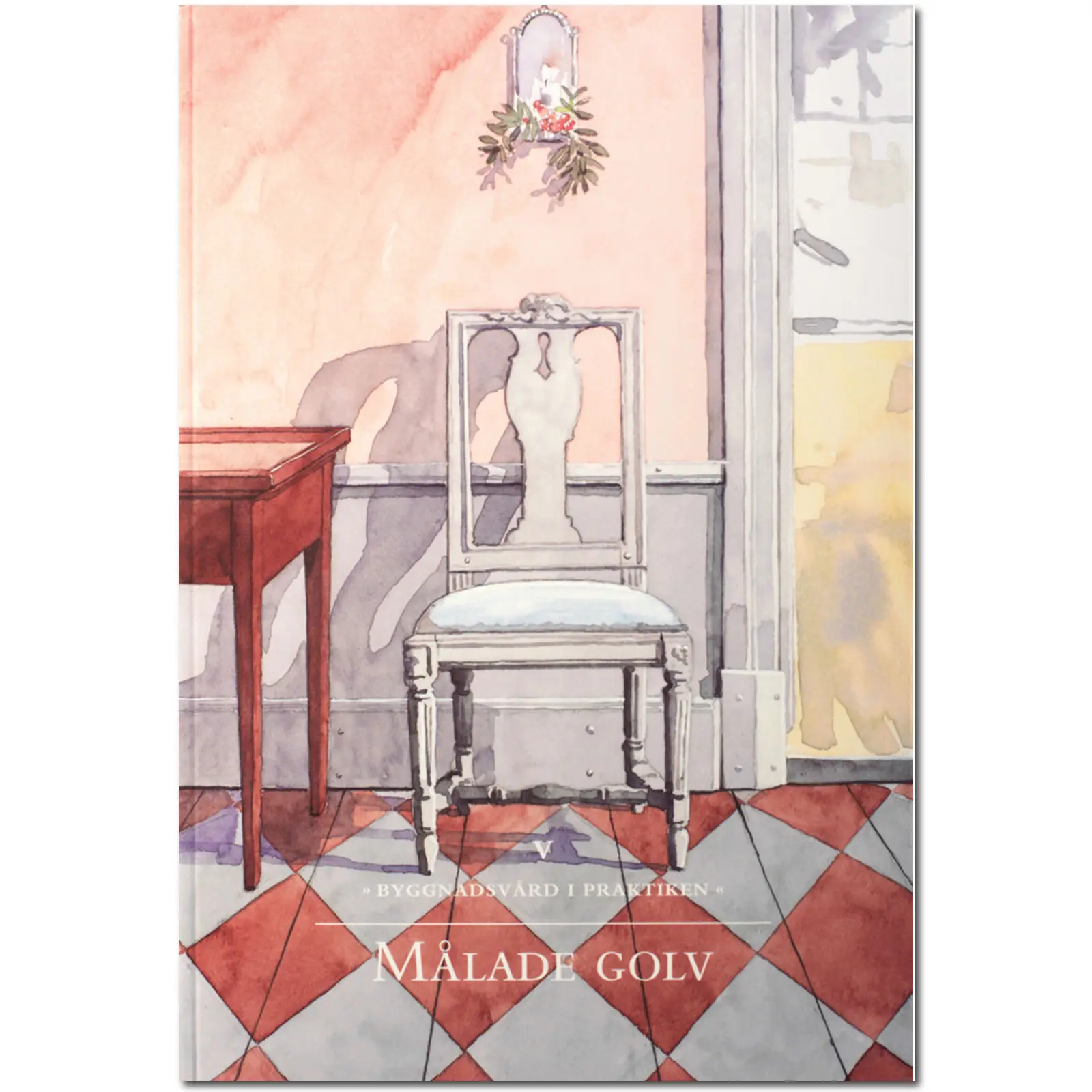
Painted floors

EUR26.08

Available in central stock
Quick facts

Andreas Skatter

Weight 0.35 kg
Part of a series

5/5

Sidor

104

Author

Göran Gudmundsson

Drawing

P Wennberg + J Persson

Publisher

Gysinge Center for Building Conservation

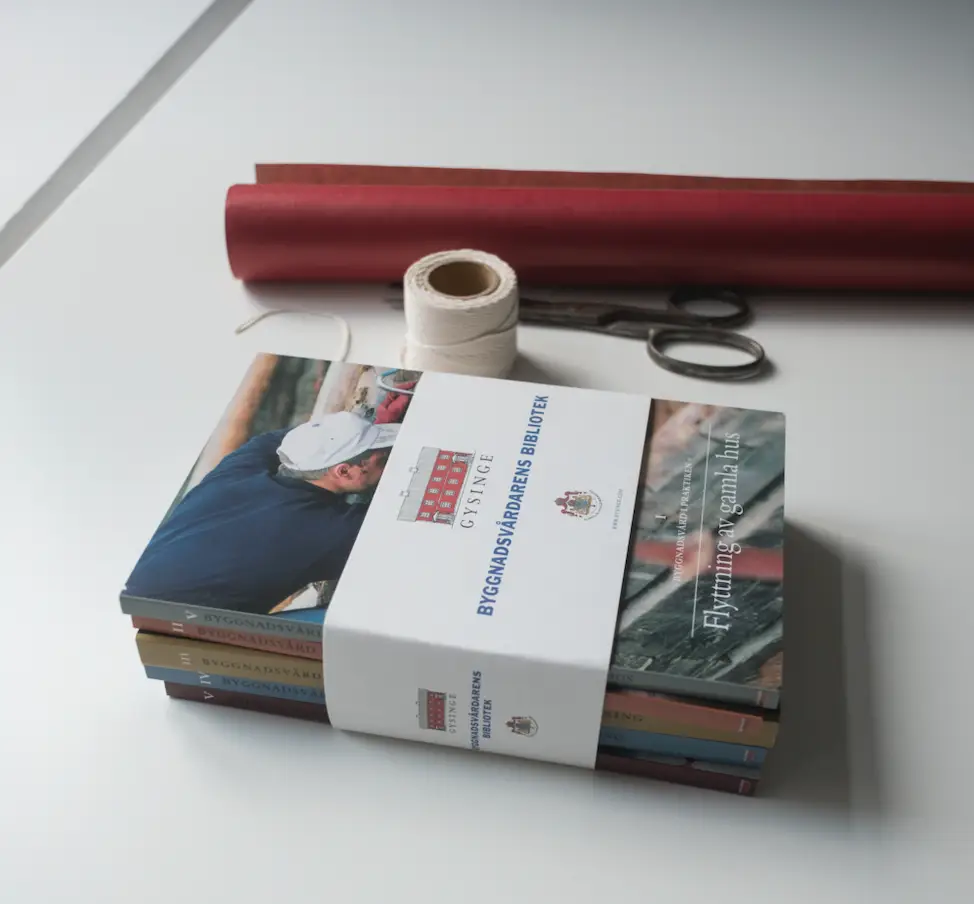
“Painted Floors” is the fifth book in the “Building Care in Practice” series.

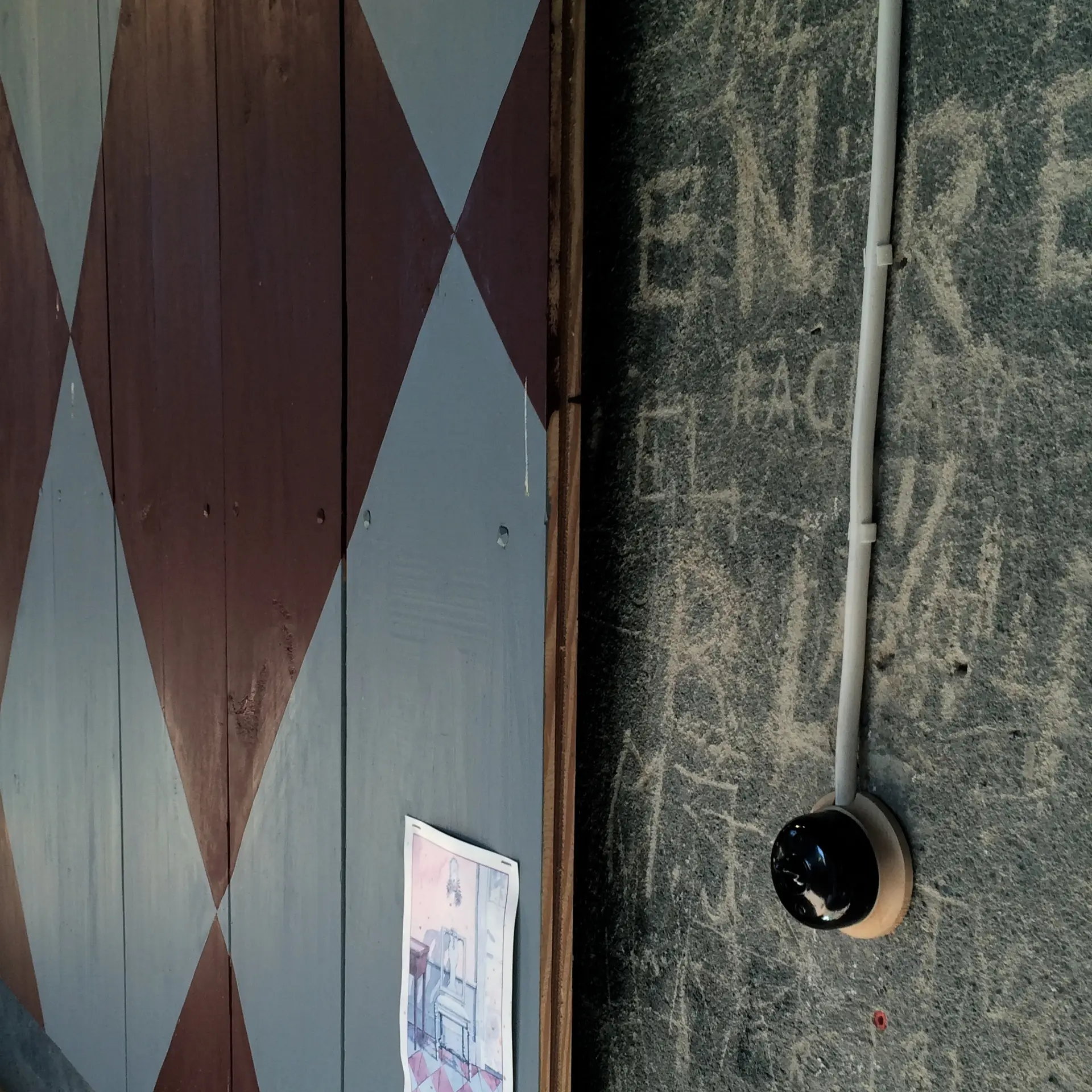
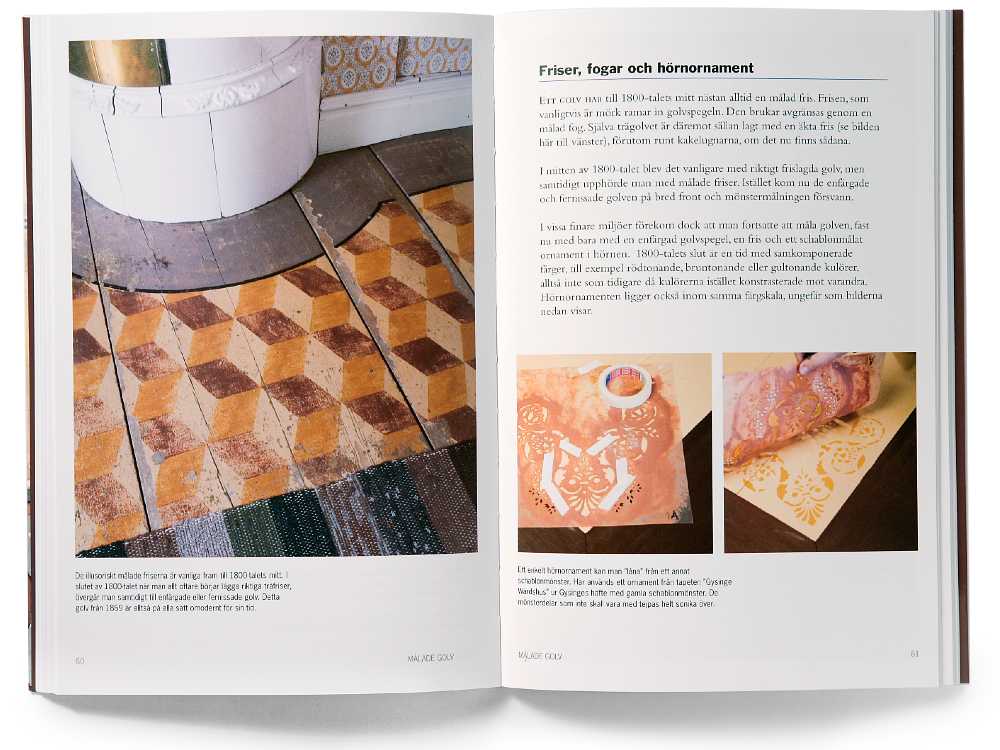
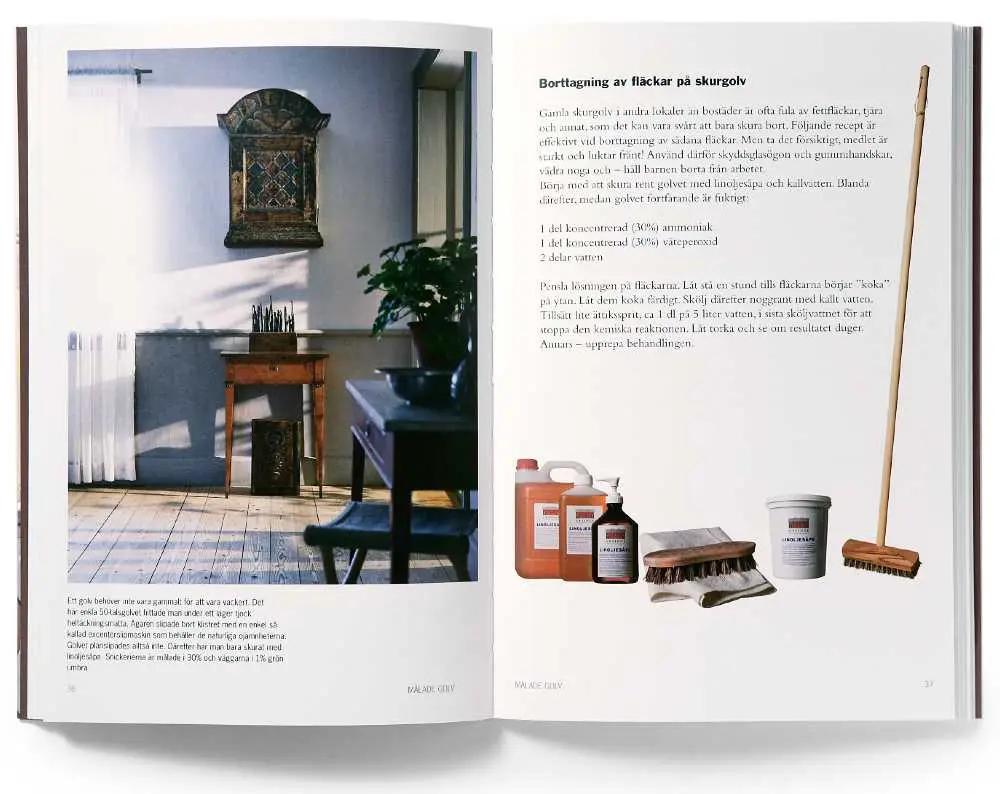
It covers all kinds of wooden floors, both indoor and outdoor. From barn floors to checkered 18th century floors and solid colored floors from the 19th and 20th centuries.

The last floor among the book’s examples was painted just a few years ago. A living tradition, then! The book is practically organized and above all intended to serve as a solid instruction for those who want to paint themselves.

Richly illustrated with scale models, color recipes and other tips. The visual material consists of photos, drawings and watercolors.

Description

“Painted Floors” is the fifth book in the “Building Care in Practice” series.

It covers all kinds of wooden floors, both indoor and outdoor. From barn floors to checkered 18th century floors and solid colored floors from the 19th and 20th centuries.

The last floor among the book’s examples was painted just a few years ago. A living tradition, then! The book is practically organized and above all intended to serve as a solid instruction for those who want to paint themselves.

Richly illustrated with scale models, color recipes and other tips. The visual material consists of photos, drawings and watercolors.

Andreas Skatter

Weight 0.35 kg
Part of a series

5/5

Sidor

104

Author

Göran Gudmundsson

Drawing

P Wennberg + J Persson

Publisher

Gysinge Center for Building Conservation

Reviews

There are no reviews yet

Be the first to review “Painted floors”

Your email address will not be published. Required fields are marked *

You may also need to

Related products

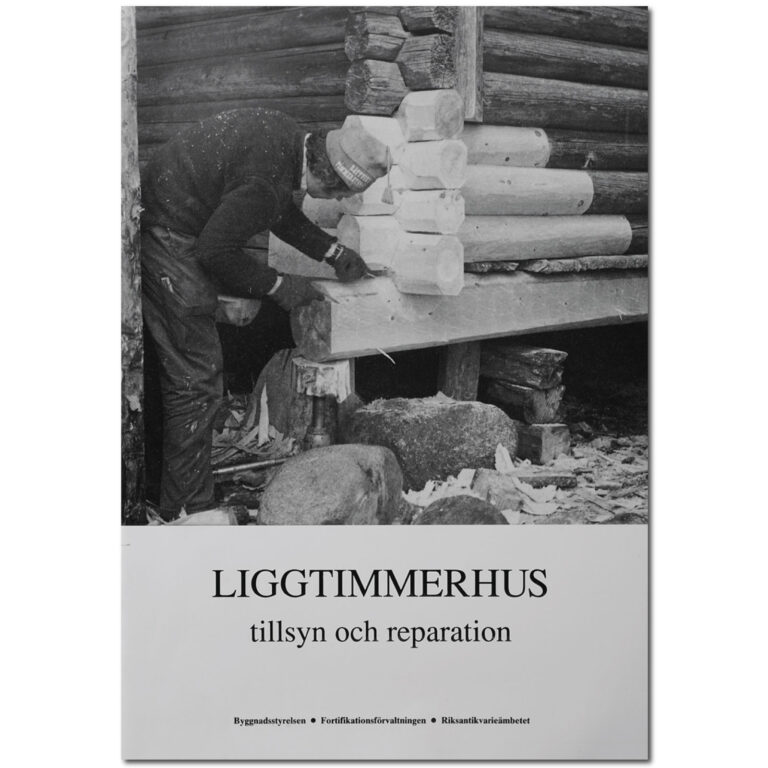
Log house, writing

Supervision and repair. No building type has such historical roots as the log house. It has been a house for both the common man and the gentry and has come to characterize our older building environment to a great extent.

The report shows how log houses can be cared for and repaired to preserve their heritage value. The key is careful supervision and repairs that are adapted to the authentic log technique.

The report is written for both property owners and construction professionals. Richly illustrated.

EUR16.01

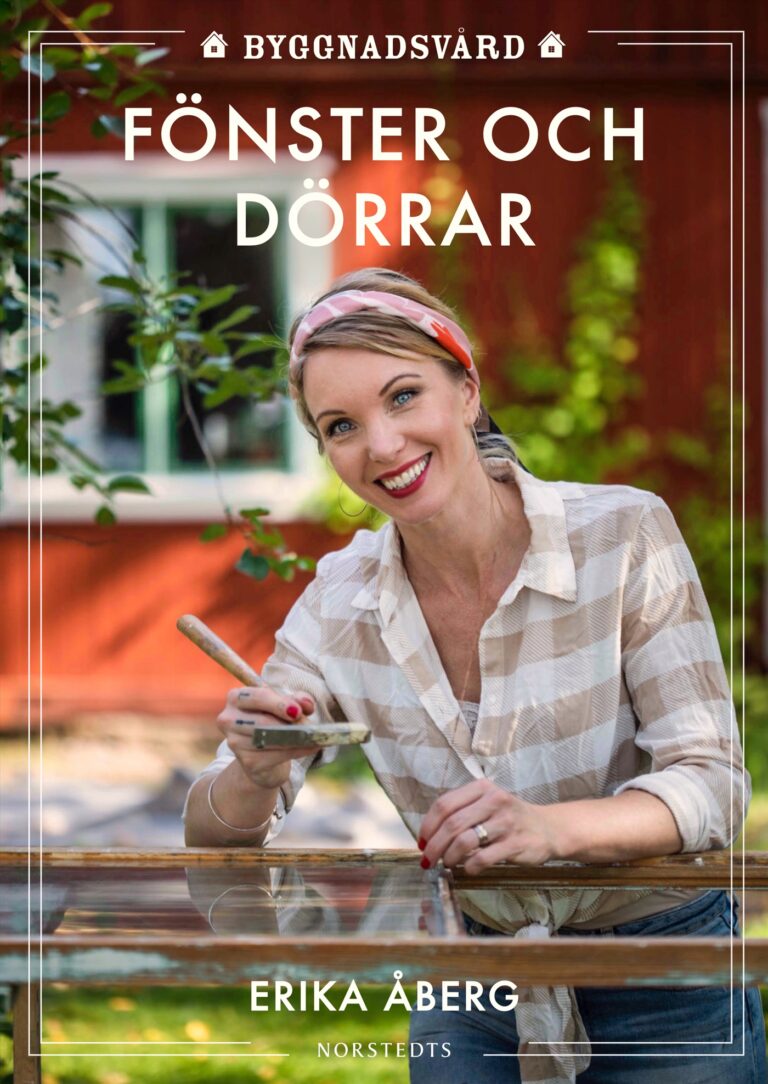
Windows and doors

In this book, architectural antiquarian Erika Åberg shows you how to maintain, renovate and make creative reuse projects with old windows and doors.

“Windows are the soul of the house” has become almost a proverb in the building industry. What does it really mean? What are the significance and qualities of old windows? And what about doors? Here, Erika Åberg talks about design and stylistic approaches through the ages, different types of glass, function – or the lack of it – and the challenges of keeping the heat in and the cold out.

The timber used for windows and doors in the past was the best available, of a quality that is hard to find today. If cared for properly, it can last for hundreds of years. Here you will learn about restoration of varying degrees of difficulty, from first aid to full restoration.

With smart techniques and solutions, you can get windows and doors that are beautiful and fit your house. It goes without saying that preserving is more environmentally friendly than buying new. Here is an example of an orangery built with recycled windows.

Erika Åberg tells you in text and pictures how you can take care of and enjoy your old windows and doors for a long time to come.

EUR24.61

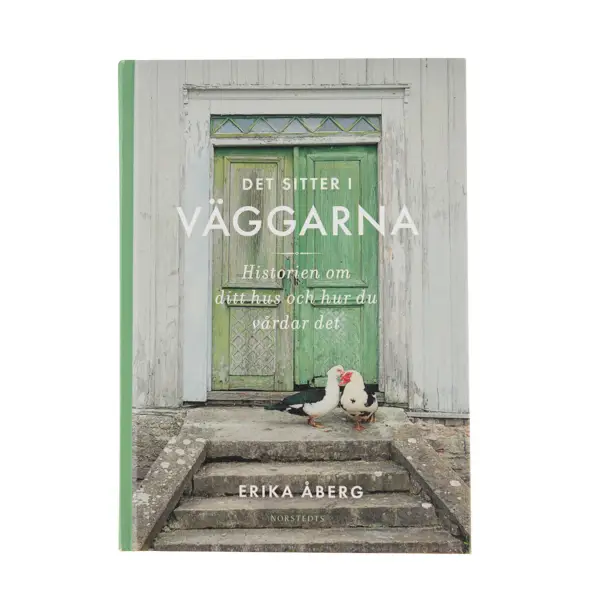
It’s in the walls

Many of us love old houses, the atmosphere they give you, the secrets and questions they hide and pose: What did the house look like originally? Has it always been here? Who has lived here before me?

Sweden has a unique treasure trove of archived material that can tell us so much about our houses and their inhabitants throughout history. This is by no means limited to castles and manor houses. There is also a lot to tell about our country houses, detached houses, city apartments and suburban villas. You just need to know where to look.

In this book, architectural historian Erika Åberg wants to take us by the hand and tell us how we can find the history of our houses, and how we can best utilize different buildings and their annual rings. She does this by telling inspiring stories, guiding us to different archives and showing us how to best interpret a building, exterior and interior.

There are plenty of in-depth examples from the TV program of the same name, but it’s a book that stands on its own, with solid advice on building styles through the ages, building conservation and restoration tips.

EUR26.44

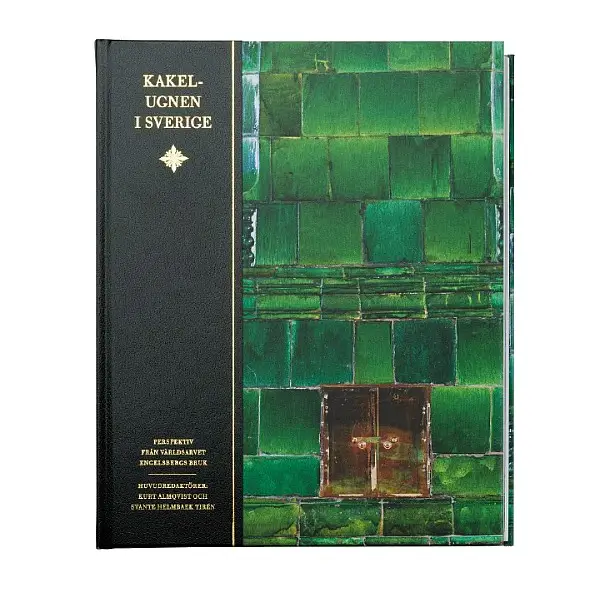
The tiled stove in Sweden

The tiled stove in Sweden – part two in the series Perspectives from the Engelsberg World Heritage Site.

Until the beginning of the 20th century, the tiled stove remained by far the most important source of heat in Swedish homes. Both the technology and the aesthetics were refined, even though the same basic principle is still used today in tiled stove installations. Today, the tiled stove is an important example of the Enlightenment’s work with technology, science and craftsmanship.

In 1767, the architect and superintendent Carl Johan Cronstedt presented a memorial entitled “Beskrifning på Ny Inrättning af Kakelugnar til Weds Besparing för Rikets råd”. It described a revolutionary construction that would change Swedish architecture and housekeeping for the next hundred and fifty years: the modern tiled stove.

The anthology is part of the series Perspectives from the Engelsberg Mill World Heritage Site. Previously published titles in the series are Tapeter genom tiderna. Future titles will also include Gardens during the age of the mills.

The editors-in-chief are Kurt Almqvist and Svante Helmbaek Tirén.

EUR36.14

Landtmann buildings

Agricultural architect Charles Emil Löfvenskiöld (1810-1888) dreamed of reforming the Swedish countryside. A new architecture characterized by both beauty and rationality would combat poverty and misery. Bright, spacious and well-planned houses for both humans and animals were the basis for a humane and prosperous society. Only when the practical was also beautiful was it truly functional.

The purpose of the publication Landtmannabyggnader, hufvudsakligen för mindre jordbruk from 1868 was to disseminate the new findings in affordable and educational booklets with clear drawings and explanatory texts. Today, the work is an architectural classic that has had a major impact on Swedish building culture.

This reproduction is supplemented by an appendix with drawings by Löfvenskiöld’s pupil and longtime collaborator Pehr August Pettersson (1841-1906). They were originally published in his Landtmannabyggnader: ritningar för alla områden inom landthushållningen from 1891, a sequel and tribute to Löfvenskiöld’s classic work.

EUR49.87

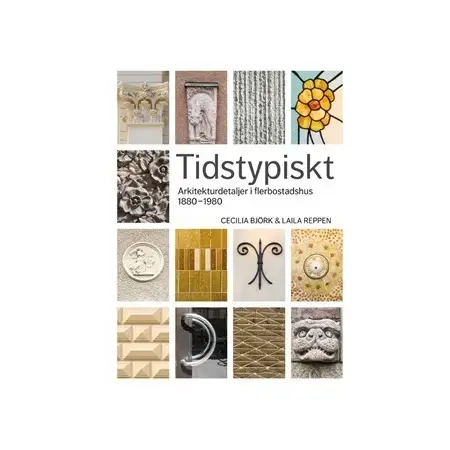
Typical of the time

Stylistic shifts in everyday architecture
Tidstypiskt gives those who influence and develop residential buildings and interiors a tool to base long-term sustainable management and development of the building stock on knowledge of existing values.

The authors take us on a hundred-year journey through stylistic changes in everyday architecture. Typical building details from Stockholm are presented decade by decade. From the classicist architecture of the 1880s via the stripped-down functionalism of the 1930s to the 1970s return to the grammar of the stone city as an ideal.

The building details vary with the prevailing architectural style, from the composition of the facades to the division of the windows and the design of the door handles. The reader is given the opportunity to learn and interpret the buildings and details of different periods. Knowledge provides richer experiences and constantly new impressions of everyday architecture – our built cultural heritage.

Photographs and drawings clearly show the development of residential buildings in the city and the traces left by different styles.

A drawing section makes it possible to date door linings and floor plinths – or to use the drawings to make new ones.

The book is aimed at architects, real estate developers, property managers, property owners, but also at housing associations and homeowners. The book is also suitable for teaching purposes.

EUR56.27

Related articles

There are no related articles for this product.

Please leave a comment what you think about our new webshop

This site is registered on wpml.org as a development site. Switch to a production site key to remove this banner.