[currency_switcher]

SKU: 3091-37

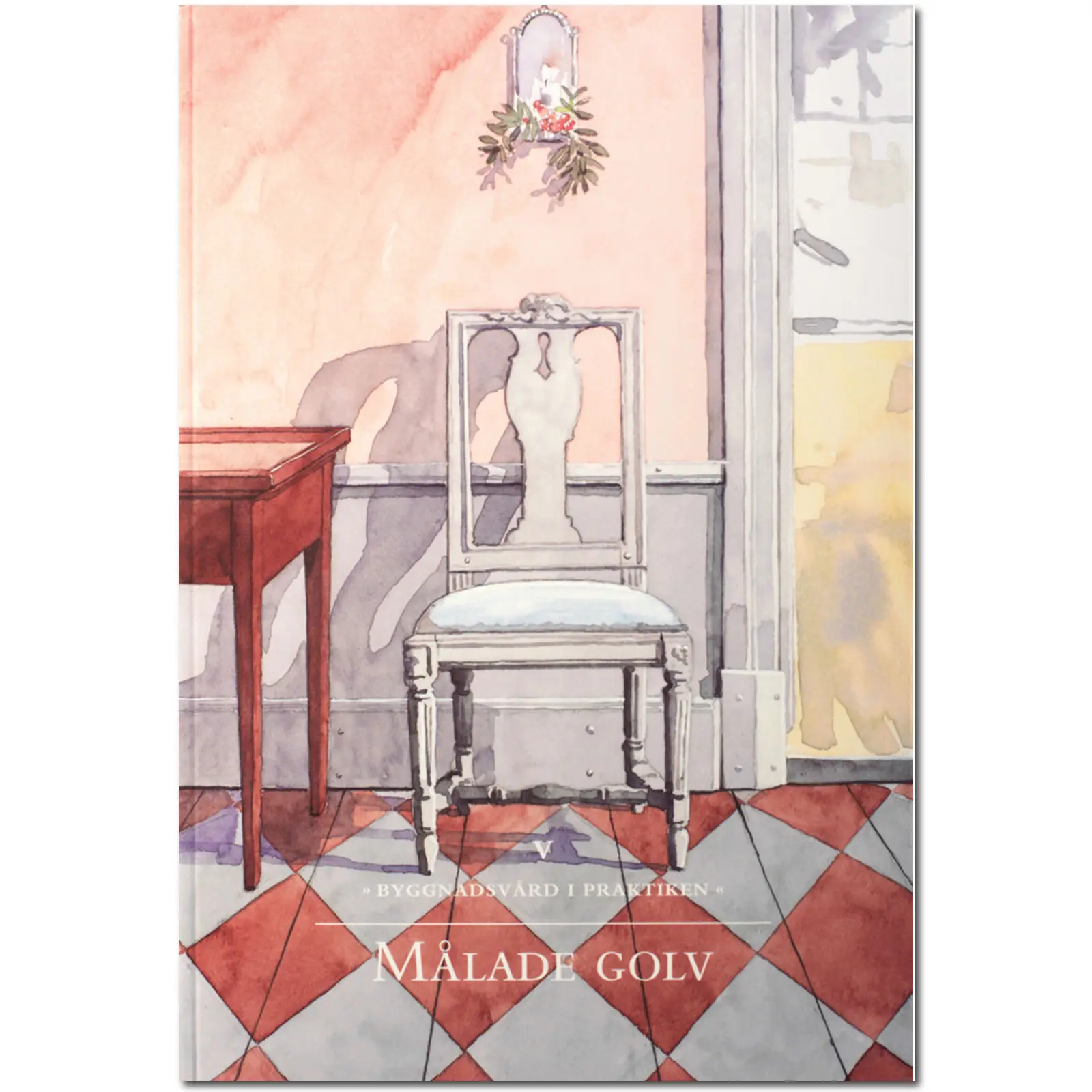
Painted floors

285 SEK

Available in central stock
Quick facts

Andreas Skatter

Weight 0,35 kg
Del i serie

5/5

Sidor

104

Författare

Göran Gudmundsson

Teckning

P Wennberg + J Persson

Förlag

Gysinge Center for Building Conservation

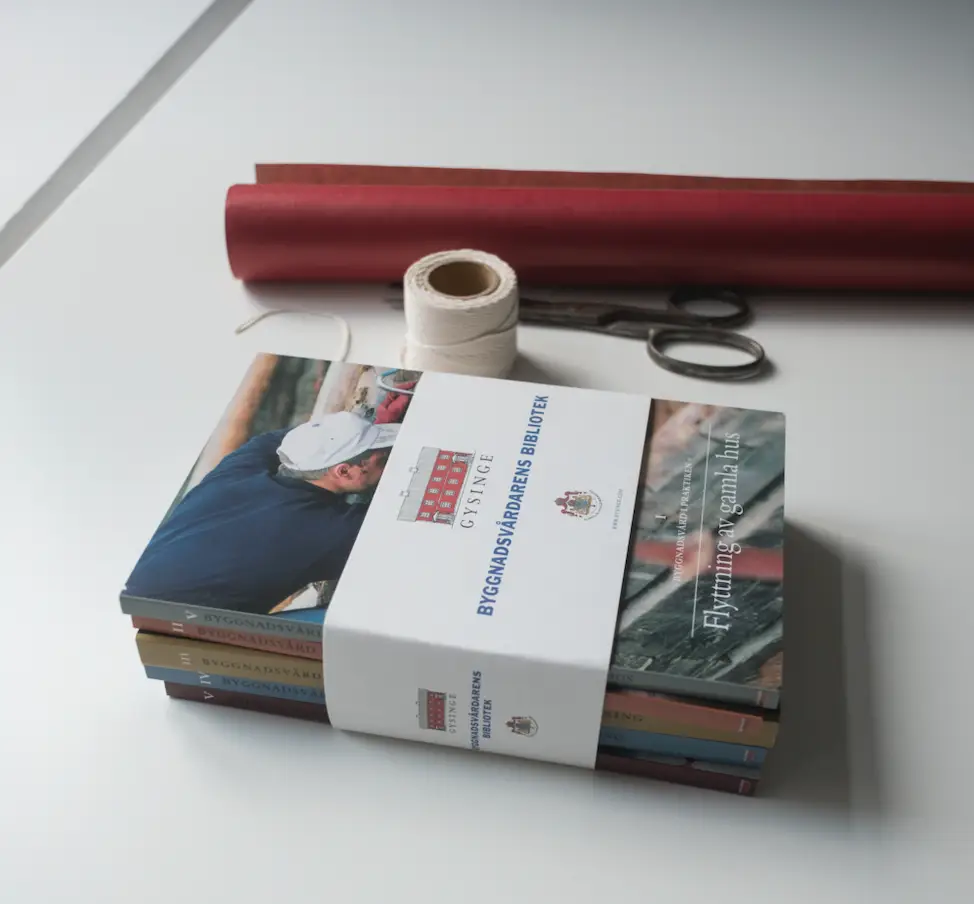
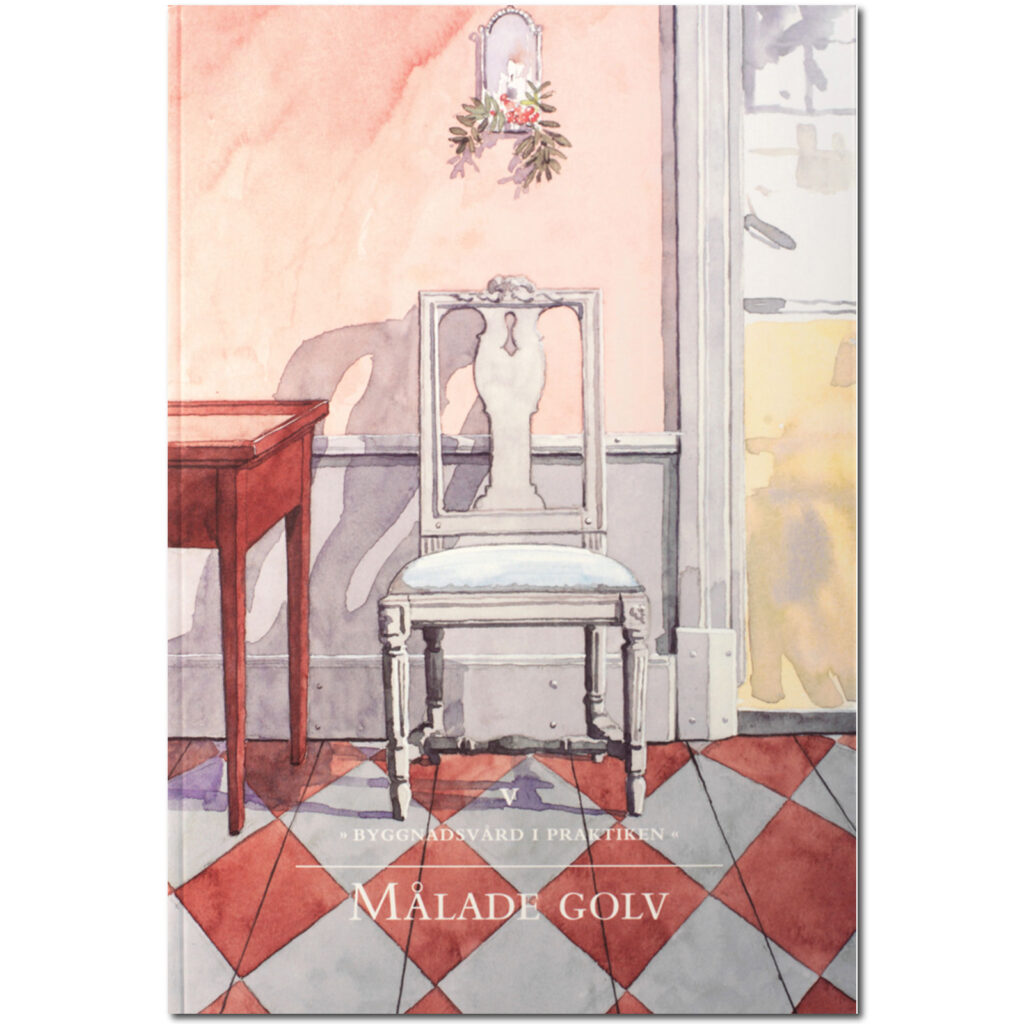
“Painted Floors” is the fifth book in the “Building Care in Practice” series.

It covers all kinds of wooden floors, both indoor and outdoor. From barn floors to checkered 18th century floors and solid colored floors from the 19th and 20th centuries.

The last floor among the book’s examples was painted just a few years ago. A living tradition, then! The book is practically organized and above all intended to serve as a solid instruction for those who want to paint themselves.

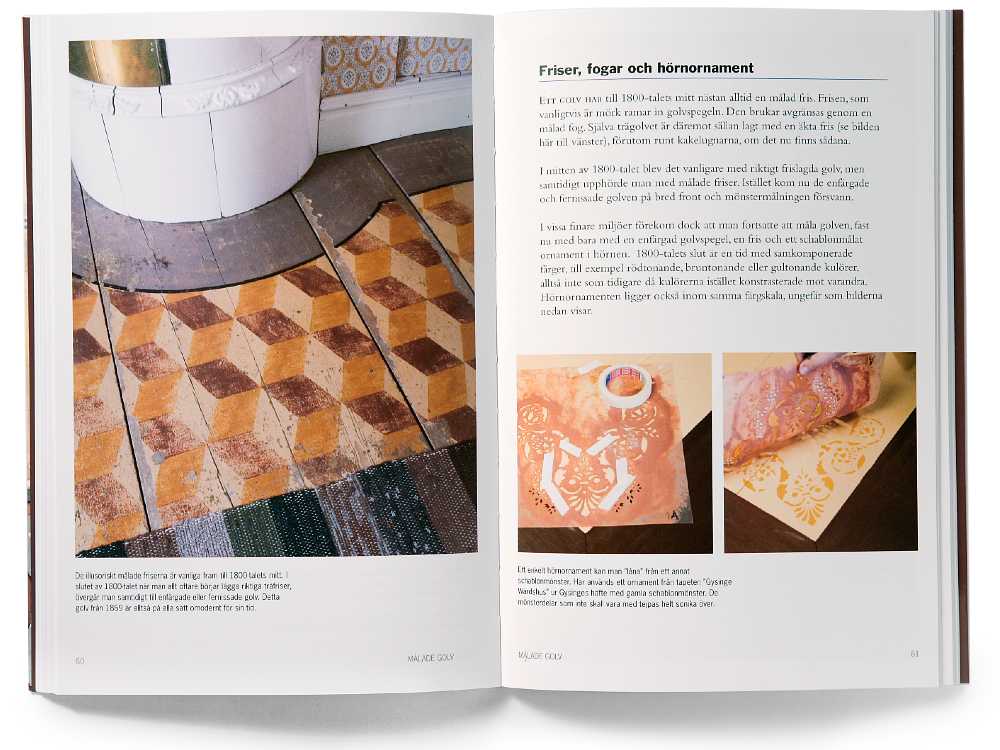
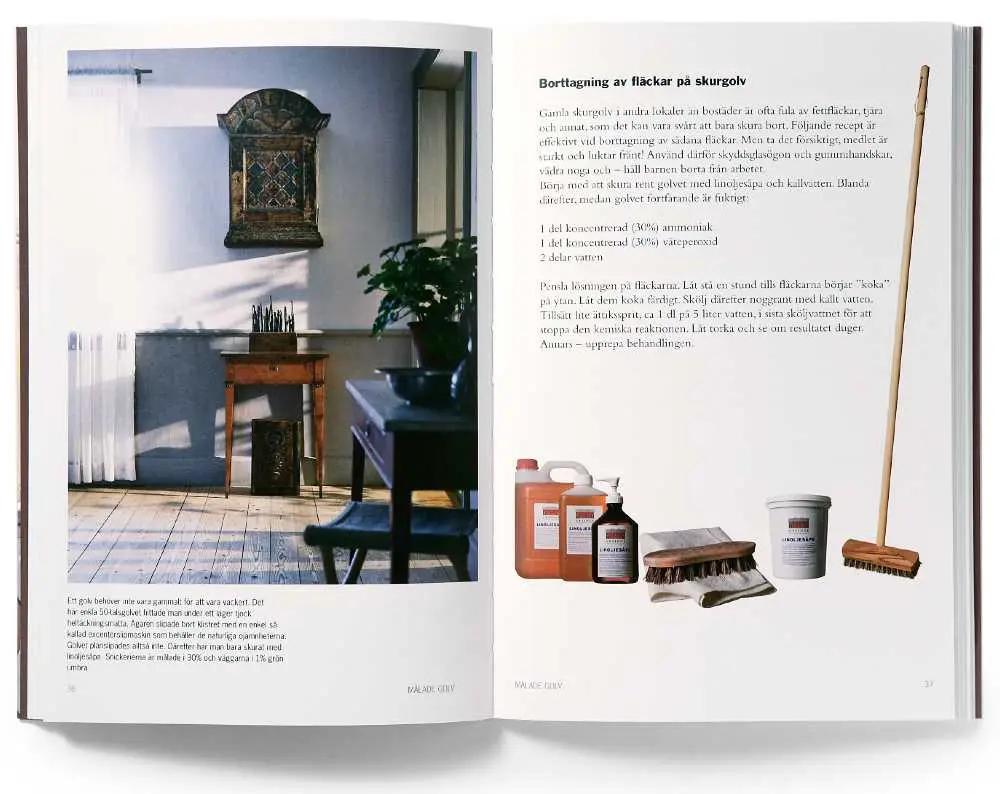
Richly illustrated with scale models, color recipes and other tips. The visual material consists of photos, drawings and watercolors.
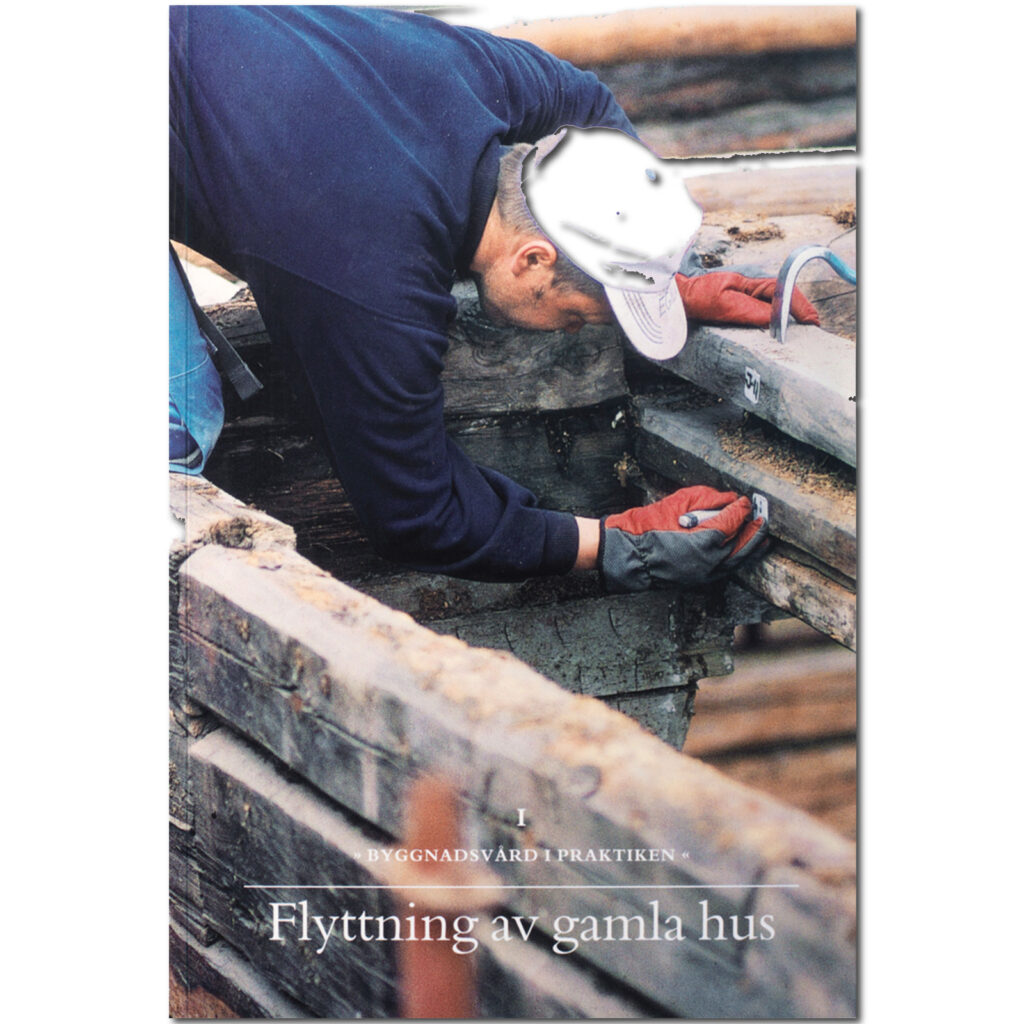
Description

“Painted Floors” is the fifth book in the “Building Care in Practice” series.

It covers all kinds of wooden floors, both indoor and outdoor. From barn floors to checkered 18th century floors and solid colored floors from the 19th and 20th centuries.

The last floor among the book’s examples was painted just a few years ago. A living tradition, then! The book is practically organized and above all intended to serve as a solid instruction for those who want to paint themselves.

Richly illustrated with scale models, color recipes and other tips. The visual material consists of photos, drawings and watercolors.
Andreas Skatter

Weight 0,35 kg
Del i serie

5/5

Sidor

104

Författare

Göran Gudmundsson

Teckning

P Wennberg + J Persson

Förlag

Gysinge Center for Building Conservation

Reviews

There are no reviews yet

Be the first to review “Painted floors”

Your email address will not be published. Required fields are marked *

You may also need to

Related products

Iron sheet, writing

Instructions for maintenance and repair. The booklet deals with how to maintain and repair old sheet metal roofs, without losing the cultural-historical values. The emphasis in the booklet is on the workmanship and also addresses old solutions for gutters, window sills and other important details. Richly illustrated.

175 SEK

Cinder blocks and cinder houses

Houses made of slag – many have never seen them, others stand in awe of the slag bricks that shimmer in blue, green, gray and even change color with the light. Intriguing structures, tiny lumps of iron, charcoal striations – what can’t you find when you take a closer look at the building material? What is it, many people ask today. When were the houses built? Why was cinder block made?

Slagstone is our first artificial building stone, used in ore fields as an alternative to building timber. The forest was needed for the production of charcoal, the fuel for smelting ore and the extraction of copper and iron. The metals were exported, bringing income to Sweden and raising people’s standard of living. Slag was a by-product of metal production. The metals have been sold around the world, the workplaces are closed down and gone – but the slag remains and tells us – about ores and technological development, about heavy manual labor and skilled craftsmanship. No two cinder blocks are the same. Never again can one be made.

DESCRIPTION The book aims to raise awareness of the buildings. The oldest ones date from the 18th century, the youngest from the early 20th century. They are churches or cellars and everything in between. The pictures aim to show how amazing the buildings are and the text provides information about their background, construction and care. The hope is that people will be inspired to take pride in the slag houses and care for these unique buildings, made from a material that is irreplaceable today.

TIP Don’t forget to take a look at our beautiful Bagarstuga in Gysinge, which is built of cinder block.

395 SEK

Wallpaper through the ages

Wallpaper through the ages – Perspectives from the Engelsberg Mill World Heritage Site.

Wallpaper has been one of our most important wall decorations for centuries and in various forms. Attitudes towards wallpaper have changed over time, especially in recent decades, but today there is a strong and growing interest in wallpaper and the historic preservation of buildings.

This book, which is the first stand-alone volume in a series on the Engelsberg Mill World Heritage Site, contributes to a better understanding of the history of wallpaper. Through the rich array of illustrations, both historical and modern, experts in several subjects share their in-depth knowledge of wallpaper, both as a craft and as an expression of different decorative ideals.

130 illustrations. Edition: French binding with gold foil and printed cover, wire-bound. 24 x 31 cm. 200 pages.

Authors: Erika Åberg, Lars Sjöberg, Stina Olinder Haubo, Ursula Sjöberg, Mats Qwarfordt, Martin Olin, Sara Lundström.

Editors-in-chief: Svante Holmbaek Tirén, Kurt Almqvist.

Design: Patric Leo.

395 SEK

Please keep me safe!

Building conservation and reuse

How did a dilapidated barn, an abandoned croft, a crumbling manor house, an uninhabitable military barracks and a smelly city apartment get a new lease of life and a new soul? Where did they start? How did they know where to look? And what did they skip?

About the author: Göran Gudmundsson’s new major book is a goldmine for anyone who loves old houses with tradition and flair. Here he tells the story of five comprehensive renovation projects with widely differing conditions. With great expertise, he describes the whole process – before, during and after – and shows in detail how to find the traces of the old, look for renovation materials, color and wallpaper. And not least, how to deal with the various options available. How should you think about original colors and old building materials – if you are also going to live in the house? Is it right or wrong?

“Many people think that building conservation is not for them. I want to change that. I want to show that EVERYONE – not just owners of old houses but also those who have an older apartment, who want to convert an abandoned farmhouse into a holiday home or are just generally interested in the environment and recycling – can find inspiration in the old way of building and decorating. Because if you choose to build new with old methods and used materials, you also get the soul in the bargain.”

495 SEK

Landtmann buildings

Agricultural architect Charles Emil Löfvenskiöld (1810-1888) dreamed of reforming the Swedish countryside. A new architecture characterized by both beauty and rationality would combat poverty and misery. Bright, spacious and well-planned houses for both humans and animals were the basis for a humane and prosperous society. Only when the practical was also beautiful was it truly functional.

The purpose of the publication Landtmannabyggnader, hufvudsakligen för mindre jordbruk from 1868 was to disseminate the new findings in affordable and educational booklets with clear drawings and explanatory texts. Today, the work is an architectural classic that has had a major impact on Swedish building culture.

This reproduction is supplemented by an appendix with drawings by Löfvenskiöld’s pupil and longtime collaborator Pehr August Pettersson (1841-1906). They were originally published in his Landtmannabyggnader: ritningar för alla områden inom landthushållningen from 1891, a sequel and tribute to Löfvenskiöld’s classic work.

545 SEK

Historic oil paints in architecture and restoration

Historic oil paints in architecture and restoration is a thorough presentation of the composition of the linseed oil paints used in Swedish building painting from the 18th century onwards.

It provides a clear but multifaceted picture of how recipes have varied over different periods and how they have been adapted to different substrates.

545 SEK

Related articles

There are no related articles for this product.

Please leave a comment what you think about our new webshop