[currency_switcher]

SKU: 3091-90

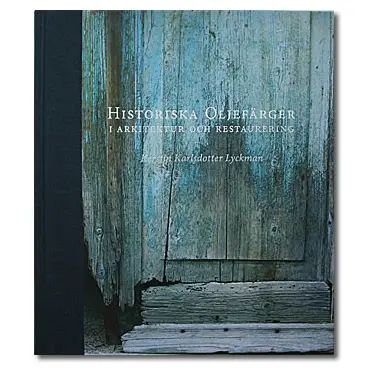
Historic oil paints in architecture and restoration

545 SEK

Available in central stock
Quick facts

Andreas Skatter

Weight 0,65 kg
Sidor

188

Vikt

120 g paper

Författare

Kerstin Lyckman

Historic oil paints in architecture and restoration is a thorough presentation of the composition of the linseed oil paints used in Swedish building painting from the 18th century onwards.

It provides a clear but multifaceted picture of how recipes have varied over different periods and how they have been adapted to different substrates.

Description

Historic oil paints in architecture and restoration is a thorough presentation of the composition of the linseed oil paints used in Swedish building painting from the 18th century onwards.

It provides a clear but multifaceted picture of how recipes have varied over different periods and how they have been adapted to different substrates.
Andreas Skatter

Weight 0,65 kg
Sidor

188

Vikt

120 g paper

Författare

Kerstin Lyckman

Reviews

There are no reviews yet.

Be the first to review “Historic oil paints in architecture and restoration”

Your email address will not be published. Required fields are marked *

You may also need to

Price range: 95 SEK through 255 SEK

Select options This product has multiple variants. The options may be chosen on the product page

Related products

Handbook for stenciling

The Painting Workshop works on renovating old paintings, repainting using old techniques and developing new products inspired by the traditional painting of the Hälsingland farms. The Painting Workshop holds lectures and workshops on painting at the World Heritage Farms in Hälsingland.

Anna-Carin Åsbrink has been working with old painting techniques for over 40 years and shares here the many skills in stencil painting she has accumulated over the years.

The 24-page booklet describes stenciling on walls, borders and blinds. Includes tips on tools, techniques and color mixing of egg oil tempera. It also describes paintings from Hälsingland, which at the same time is universal for all stencil painting.

290 SEK

Interior renovation

“Interior Renovation” is the fourth book in the series – Building Care in Practice. The book is about the houses inside, why they look the way they do, about the tradition behind it, about the craftsmanship and last but not least about how to renovate so that these qualities do not disappear.

It deals with carpentry profiles, fittings, floors, ceilings and walls, stairs, kitchens and kitchen fittings, sanitary facilities, electricity and lighting in a way that shows that the old is an asset rather than an obstacle when living in the house.

The book, which focuses on houses from the 18th to the 20th century, also shows appropriate compromises, as the old inevitably clashes with the modern.

320 SEK

Handbook for an old garden

Discover, preserve, recreate. A garden is in a state of constant change. Caring for an old garden is therefore not about freezing a state. Instead, it is about getting to know the garden in order to best preserve its various elements for the future.

In his role as a garden antiquarian, André Strömqvist has extensive experience of older environments and, as a gardener, the necessary practical knowledge.

He describes how we can find clues, interpret what we see and set a level of ambition that works. He guides us through the different parts of the garden in the form of flower beds, hedges, stone paths and fruit trees. He describes how we can go about caring for, restoring and recreating the various parts, and lets history in the form of pioneers of older times, methods and cultural varieties arouse curiosity and inspiration.

Photo: André Strömqvist

339 SEK

The tiled stove in Sweden

The tiled stove in Sweden – part two in the series Perspectives from the Engelsberg World Heritage Site.

Until the beginning of the 20th century, the tiled stove remained by far the most important source of heat in Swedish homes. Both the technology and the aesthetics were refined, even though the same basic principle is still used today in tiled stove installations. Today, the tiled stove is an important example of the Enlightenment’s work with technology, science and craftsmanship.

In 1767, the architect and superintendent Carl Johan Cronstedt presented a memorial entitled “Beskrifning på Ny Inrättning af Kakelugnar til Weds Besparing för Rikets råd”. It described a revolutionary construction that would change Swedish architecture and housekeeping for the next hundred and fifty years: the modern tiled stove.

The anthology is part of the series Perspectives from the Engelsberg Mill World Heritage Site. Previously published titles in the series are Tapeter genom tiderna. Future titles will also include Gardens during the age of the mills.

The editors-in-chief are Kurt Almqvist and Svante Helmbaek Tirén.

395 SEK

Please keep me safe!

Building conservation and reuse

How did a dilapidated barn, an abandoned croft, a crumbling manor house, an uninhabitable military barracks and a smelly city apartment get a new lease of life and a new soul? Where did they start? How did they know where to look? And what did they skip?

About the author: Göran Gudmundsson’s new major book is a goldmine for anyone who loves old houses with tradition and flair. Here he tells the story of five comprehensive renovation projects with widely differing conditions. With great expertise, he describes the whole process – before, during and after – and shows in detail how to find the traces of the old, look for renovation materials, color and wallpaper. And not least, how to deal with the various options available. How should you think about original colors and old building materials – if you are also going to live in the house? Is it right or wrong?

“Many people think that building conservation is not for them. I want to change that. I want to show that EVERYONE – not just owners of old houses but also those who have an older apartment, who want to convert an abandoned farmhouse into a holiday home or are just generally interested in the environment and recycling – can find inspiration in the old way of building and decorating. Because if you choose to build new with old methods and used materials, you also get the soul in the bargain.”

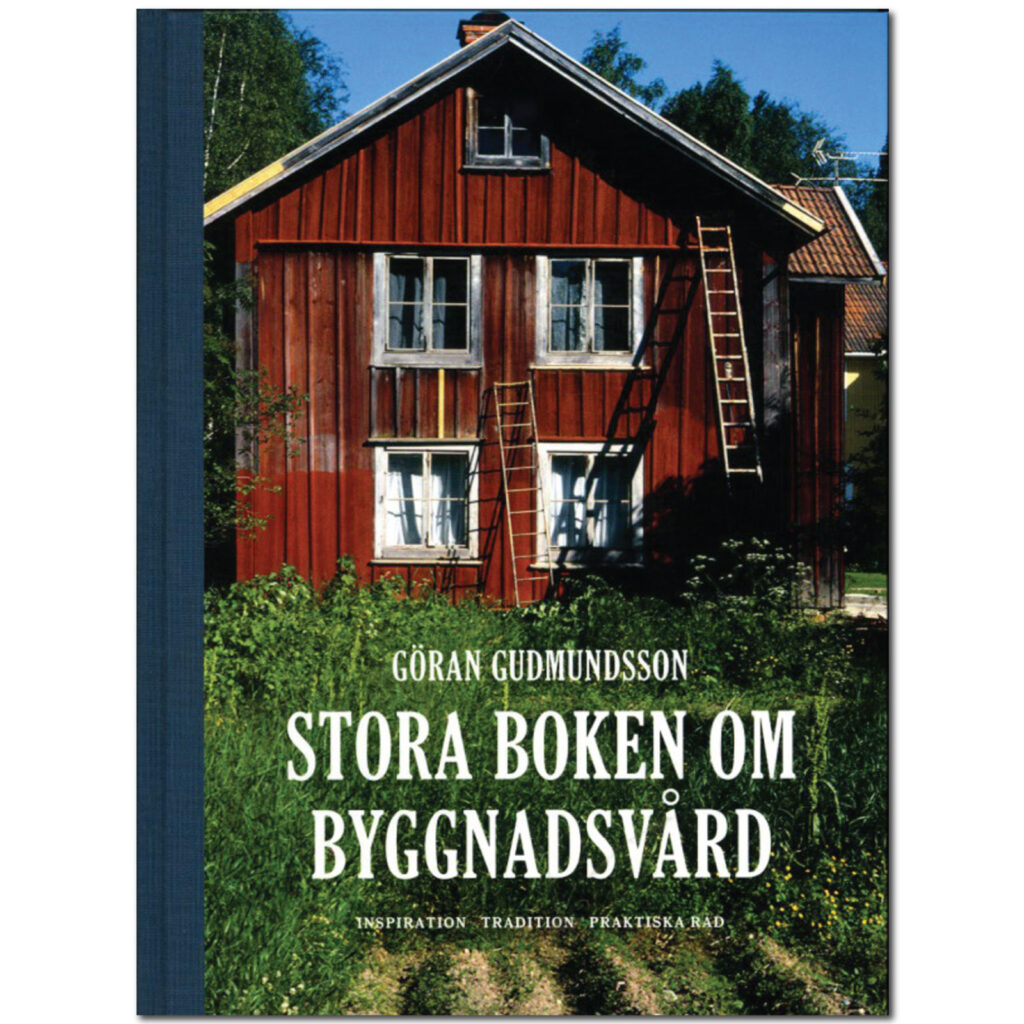
495 SEK

Landtmann buildings

Agricultural architect Charles Emil Löfvenskiöld (1810-1888) dreamed of reforming the Swedish countryside. A new architecture characterized by both beauty and rationality would combat poverty and misery. Bright, spacious and well-planned houses for both humans and animals were the basis for a humane and prosperous society. Only when the practical was also beautiful was it truly functional.

The purpose of the publication Landtmannabyggnader, hufvudsakligen för mindre jordbruk from 1868 was to disseminate the new findings in affordable and educational booklets with clear drawings and explanatory texts. Today, the work is an architectural classic that has had a major impact on Swedish building culture.

This reproduction is supplemented by an appendix with drawings by Löfvenskiöld’s pupil and longtime collaborator Pehr August Pettersson (1841-1906). They were originally published in his Landtmannabyggnader: ritningar för alla områden inom landthushållningen from 1891, a sequel and tribute to Löfvenskiöld’s classic work.

545 SEK

Related articles

There are no related articles for this product.

Please leave a comment what you think about our new webshop