[currency_switcher]

SKU: 3071-35-1

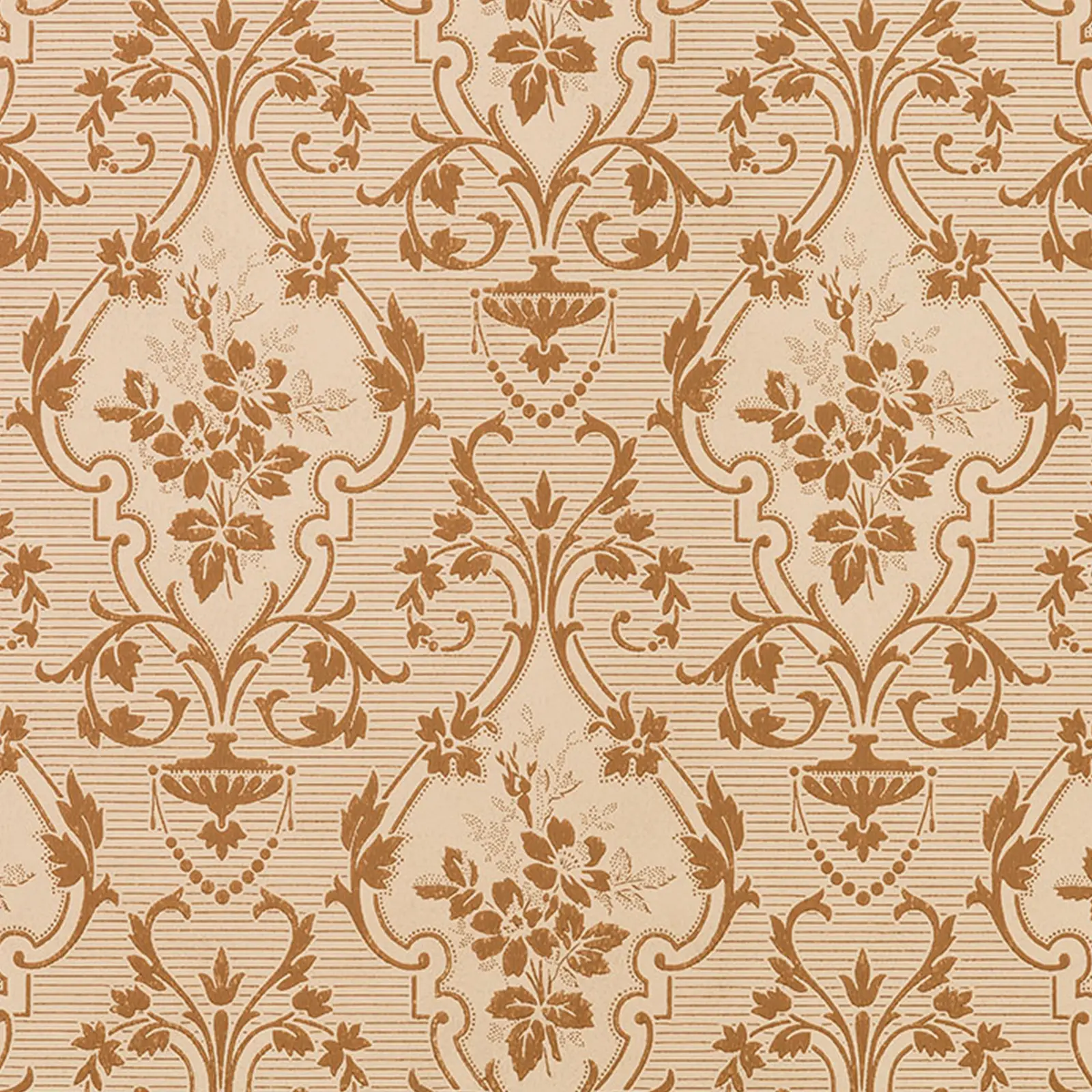
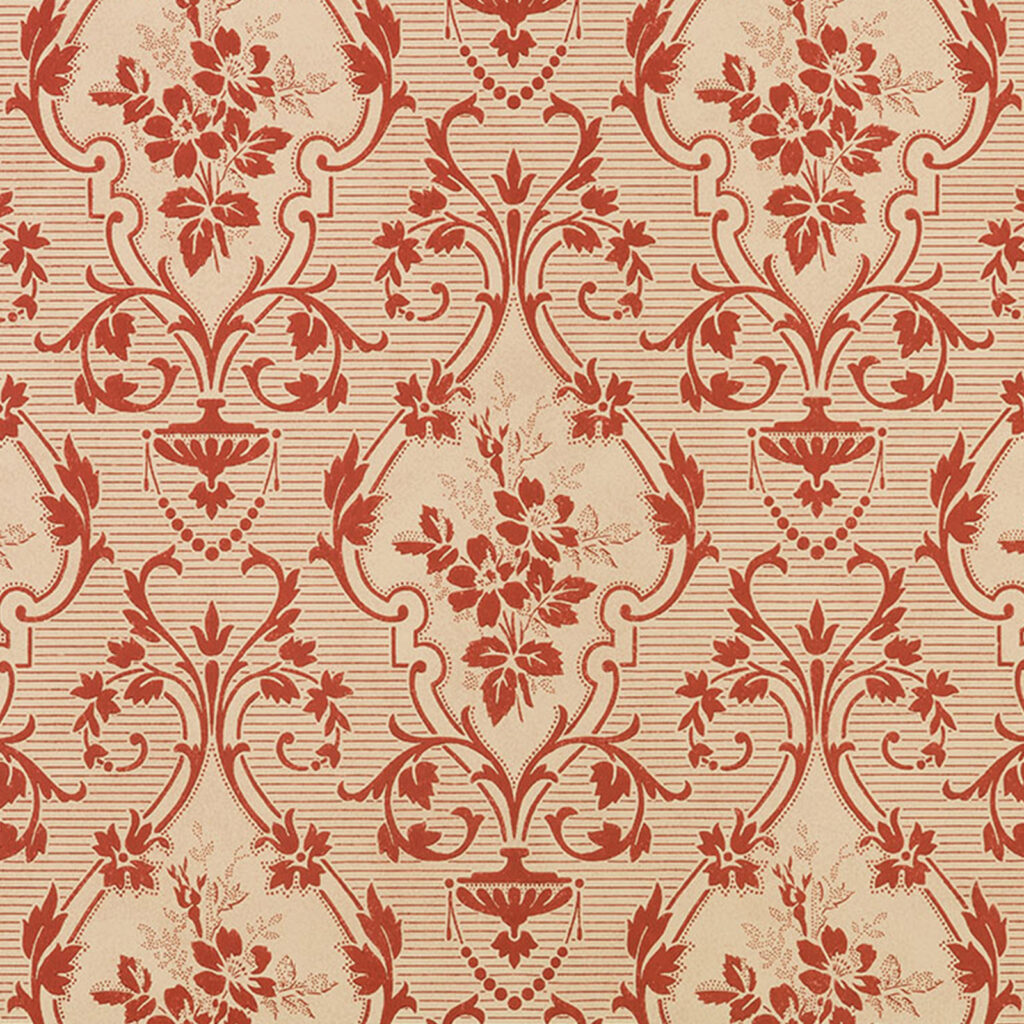
Wallpaper Nästgårds brown

945 SEK

Available in central stock
Quick facts

Andreas Skatter

Weight 0,75 kg
Längd

10.05 m

Bredd

47 cm

Mönsterhöjd

35 cm

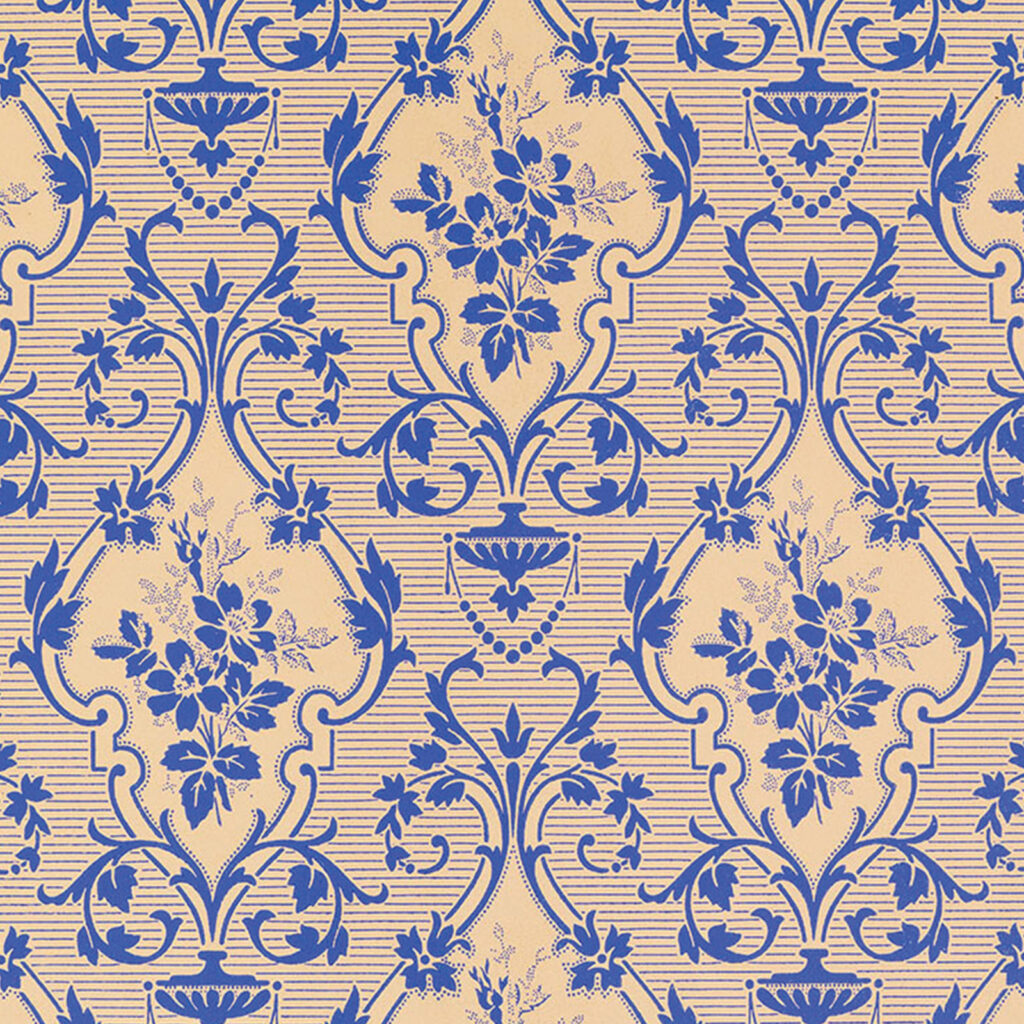
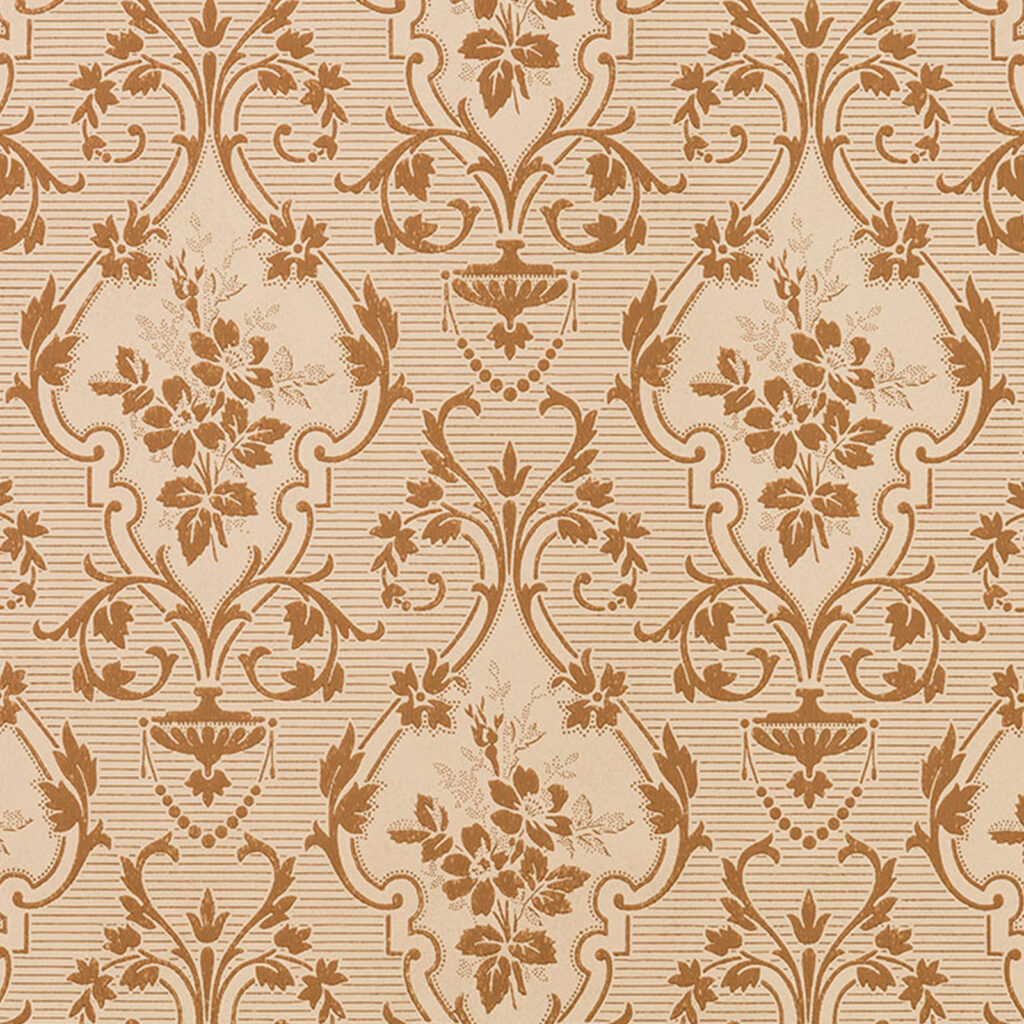
Typical wallpaper from the second half of the 19th century with an elegant medallion pattern in a single-color print. The wallpaper was in a strong ultramarine blue color against a beige background in the lower hall of the Nästgårdshuset in Gysinge, probably put up in 1887. Here is the same pattern in brown, which is another typical variant of a single-color print from the time. The wallpaper is printed in the old glue dye technique on unprimed paper and the wallpaper therefore has a unique luster and thinness that is not available in other wallpaper prints. In return, an unprimed wallpaper is slightly, but only slightly, more fragile in the wallpapering process.

Adhesive color-printed paper wallpaper, not prepasted, not plastered. Not edge-cut.

Description

Typical wallpaper from the second half of the 19th century with an elegant medallion pattern in a single-color print. The wallpaper was in a strong ultramarine blue color against a beige background in the lower hall of the Nästgårdshuset in Gysinge, probably put up in 1887. Here is the same pattern in brown, which is another typical variant of a single-color print from the time. The wallpaper is printed in the old glue dye technique on unprimed paper and the wallpaper therefore has a unique luster and thinness that is not available in other wallpaper prints. In return, an unprimed wallpaper is slightly, but only slightly, more fragile in the wallpapering process.

Andreas Skatter

Weight 0,75 kg
Längd

10.05 m

Bredd

47 cm

Mönsterhöjd

35 cm

Reviews

There are no reviews yet

Be the first to review “Wallpaper Nästgårds brown”

Your email address will not be published. Required fields are marked *

Good tools:

  • Knife with break-off blade. Don’t skimp on the blades, break them often so that the knife is always sharp.
  • Roller or paint brush to apply paste to the wallpaper/wall
  • Wallpaper brush to smooth out the wallpaper on the wall
  • Use a plumb bob, to make sure the wave is hanging straight
  • Steel ruler or trowel to cut cleanly.
  • A sturdy ladder to work comfortably.
  • Scissors for cutting cut around sockets etc.
  • Wallpaper board
  • Floor paper
  • Screwdriver to remove wall socket and switch. Remember to cut the power!
  • Good task lighting.

Workflow:

  • Cut away the edge on one side of the wallpaper, to get a nice overlap.
  • Apply adhesive to the back of the wad.
  • Fold it up and let it swell for a few minutes before hanging it up. Be extra careful that the first wave hangs straight, there is little room for correction afterwards.
  • When the wave is up, smooth out with the wallpaper brush and cut off at the lining and cornice. (Here it is important that the knife is really sharp to get nice finishes, if you have the opportunity to remove lining and moldings before, it clearly gives the finest result).
  • Any blisters you can’t remove with the wallpaper brush will usually disappear on their own once the wallpaper has dried.
  • Because Nästgårds is printed with water-soluble adhesive ink, be careful to avoid getting water and glue stains on the front.

Tips! Plumb often so that you can always check that the waves are hanging straight.

You may also need to

Related products

Wallpaper sample Farm office dark gray

Wallpaper sample 50 cm.

30 SEK

Wallpaper sample Farm office light gray

Wallpaper sample 50 cm.

30 SEK

Wallpaper sample Förmaket gray

Wallpaper sample 50 cm.

43 SEK

Wallpaper Sörgården blue

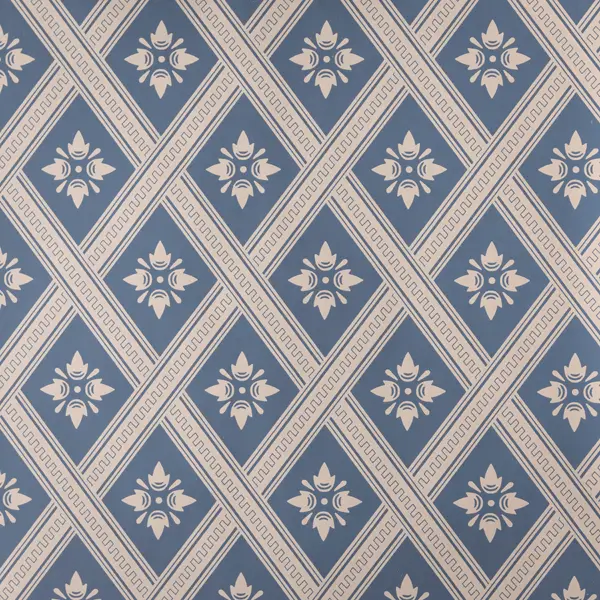
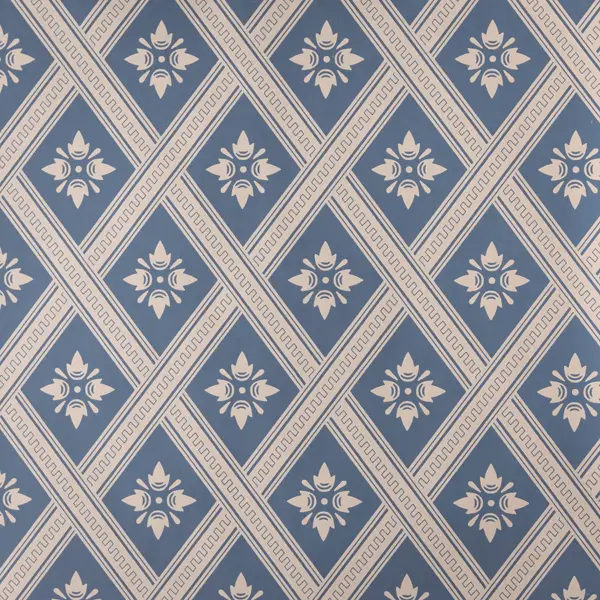
Period wallpaper from the late 19th century in a muted blue tone with a beige background. The wallpaper is a recreation from an old wallpaper fragment of unknown origin. The simple but detailed checkerboard pattern fits both in older houses and in a more modern environment. The wallpaper is also available in a mild green color with a beige background.

The wallpaper has a straight pattern fit and is edge-cut. Printed using the old glue dye technique on unprimed paper. An important step for us in the production of a new wallpaper. However, unpasted wallpaper is slightly more fragile when wallpapering.

The environmental image shows the blue wallpaper and door painted in a self-mixed color of blue and gray linseed oil paints.

945 SEK

Wallpaper Sörgården green

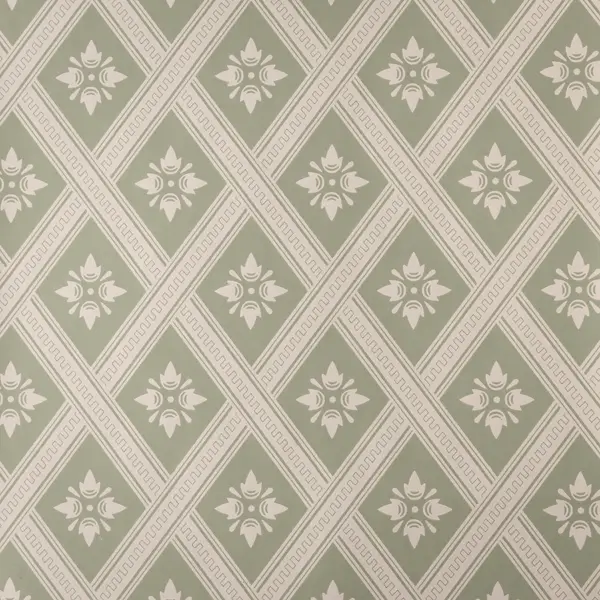
Period wallpaper from the end of the 19th century in a mild green tone with a beige background. The wallpaper is a recreation from an old wallpaper fragment of unknown origin. The simple but detailed grid pattern fits both in older houses and in a more modern environment.

The wallpaper has a straight pattern fit and is edge-cut. Printed using the old glue dye technique on unprimed paper. An important step for us in the production of a new wallpaper. However, unpasted wallpaper is slightly more fragile when wallpapering.

The environmental image shows the wallpaper hung in blue and the door painted in a self-mixed color of blue and gray linseed oil paints.

945 SEK

Wallpaper Farm office beige

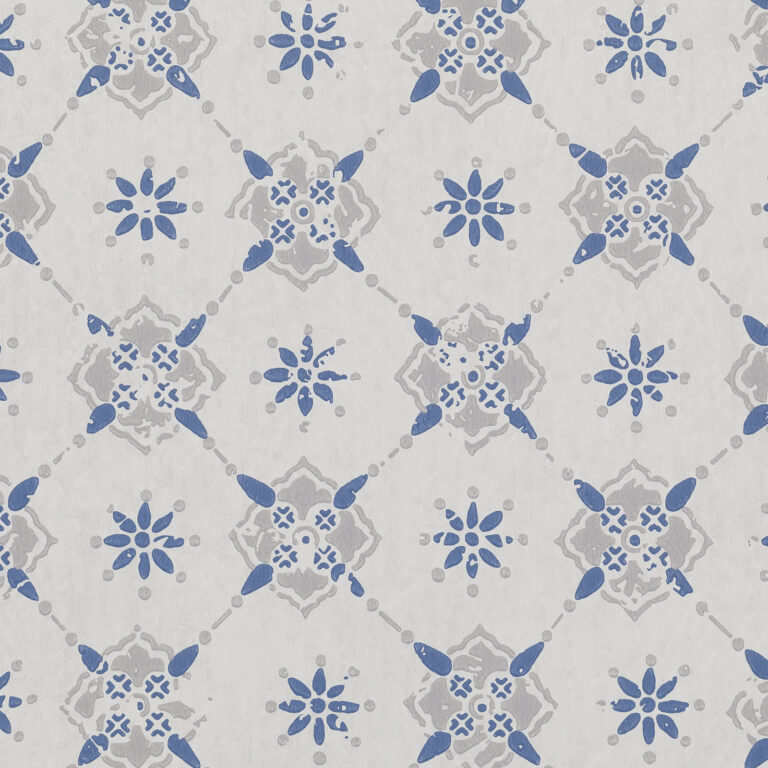
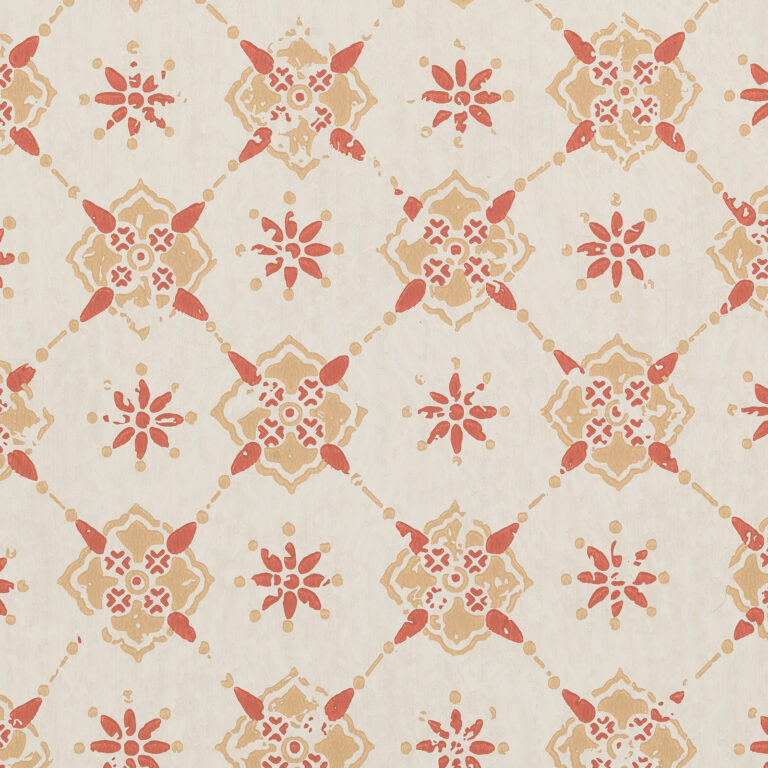
Printed paper wallpaper in a warm beige shade with a classy little checkered pattern in light red and yellowish tones. Printed in the traditional way in old rollers, one color at a time. Straight pattern fit. Very good light fastness and wipeable. The wallpapers are applied edge to edge or with a wire edge. Edge-cut. Not pre-pasted.

This particular wallpaper originally hung on the walls of a farm office at Wirum manor in Småland, and the date should be around 1880. It may be justified to point out that the wallpaper was on the walls, because small-patterned wallpapers often ended up on the ceiling in the gloomy, over-decorated interiors of the late 19th century. As wallpaper on the walls of simple cottages, or rooms such as farmhouses, kitchens and chambers, “The Farm Office” is an unbeatable mood creator along with white boarded ceilings, shed floors and rather dark carpentry.

Wallpaper history. It was not until the latter part of the 19th century that wallpaper became the property of every man. Poor families often bought thin, single-color wallpapers for their walls, known as 25-penny wallpapers. Rich families with large houses and apartments could instead excel with lots of patterns and colors in their rooms. But what really separated the rich from the poor was not the patterns, which were quite similar from one castle to the next, but the number of colors. The more colors, the more expensive the wallpaper was the rule. And the same rule still applies today.

In the late 19th century, a clear hierarchy emerged between different wallpaper patterns. In fine rooms such as the dining room and drawing room, the large-patterned wallpapers came in many shades of color, even gold. In simple spaces such as the kitchen and hallway, the small-patterned wallpapers came in instead.

945 SEK

Related articles

There are no related articles for this product.

Please leave a comment what you think about our new webshop