SKU: 3141-43-1
EUR2.75
Wallpaper sample 50 cm.
There are no reviews yet
Your email address will not be published. Required fields are marked *
Your review *
Name *
Email *
Save my name, email, and website in this browser for the next time I comment.
EUR86.47
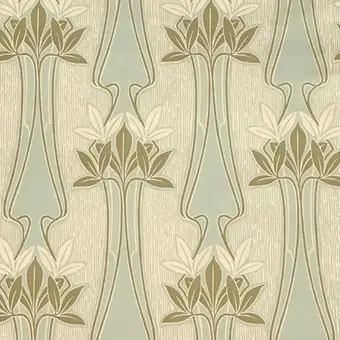
Wallpaper sample approx. 50 cm of our wallpaper Benedicks Lilja.
The beautifully undulating lines of Art Nouveau meet soft tones of green and cream. Around the turn of the 20th century, wallpaper patterns like these became extremely popular thanks to their ability to create bright and cozy rooms.
Inspiration was drawn from the new idioms developed in Paris, Vienna and Berlin, among other places. The motif of foliage on elegantly curved stems is very characteristic of Art Nouveau.
The wallpaper was found in one of the rooms in the workers’ barracks in Gysinge and has now been reprinted.
Pattern height 40 cm
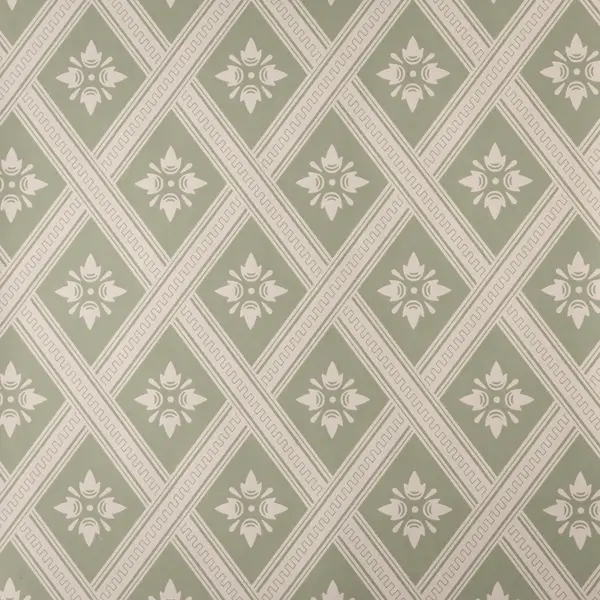
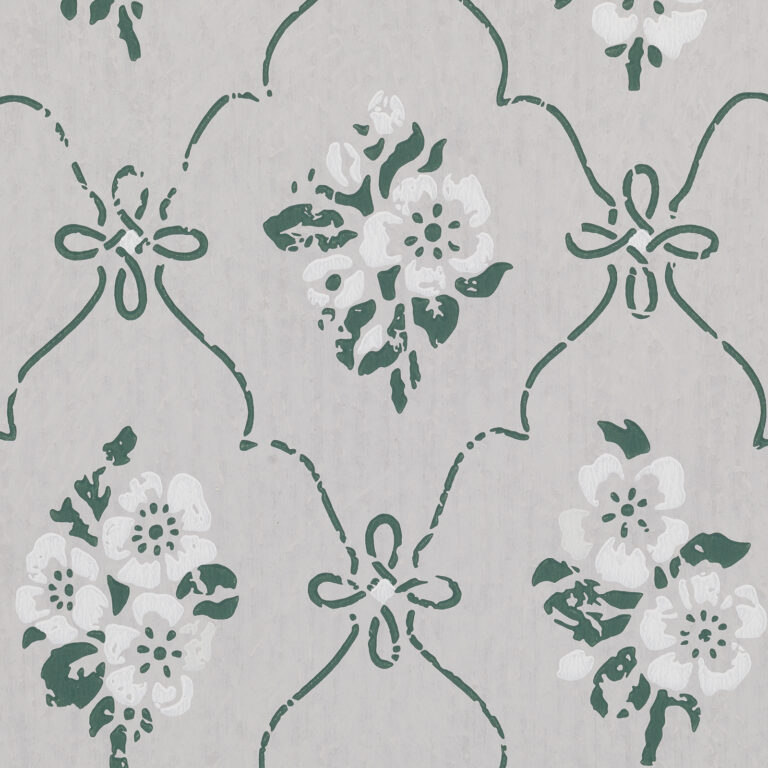
Wallpaper sample Sörgården green 50 cm.
EUR3.89
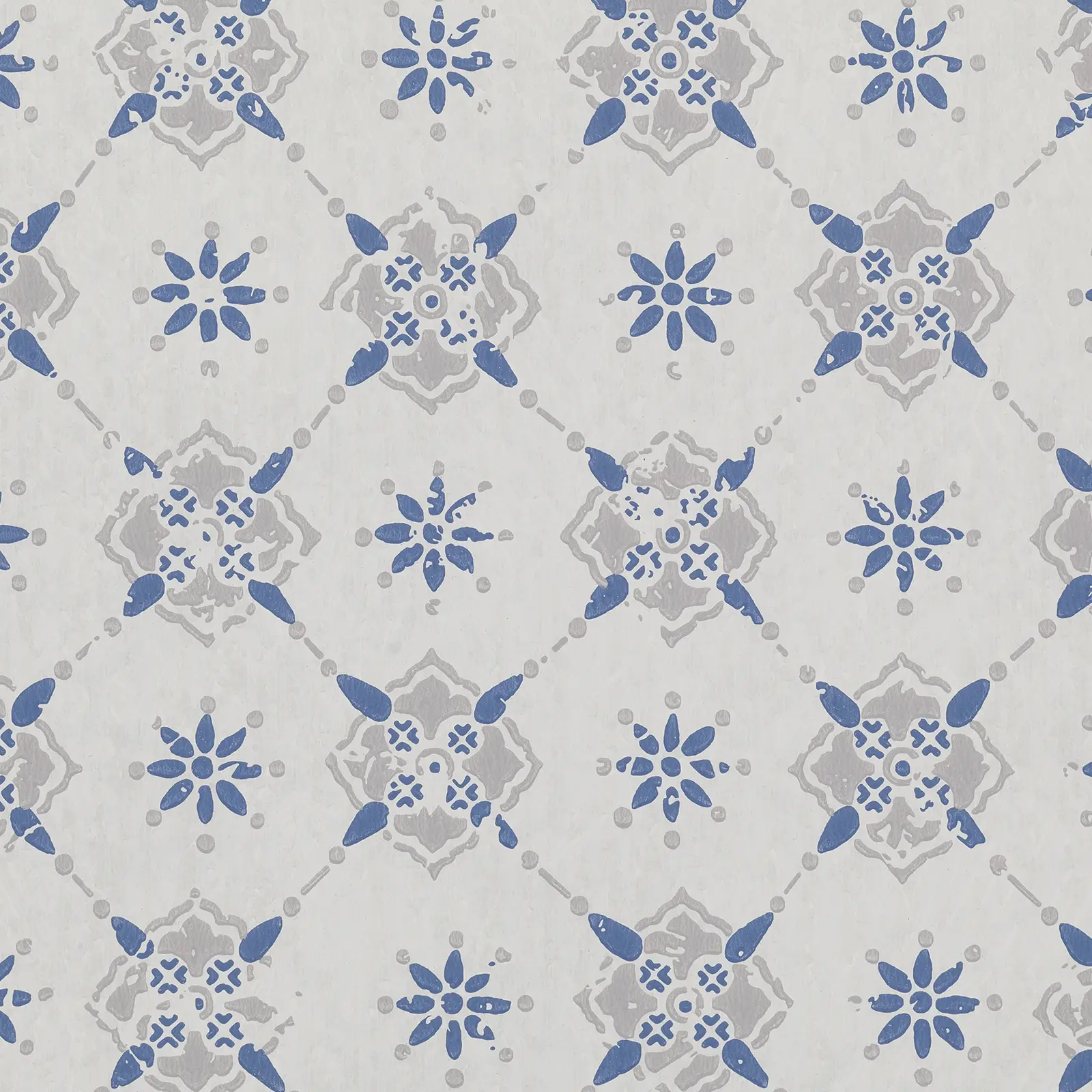
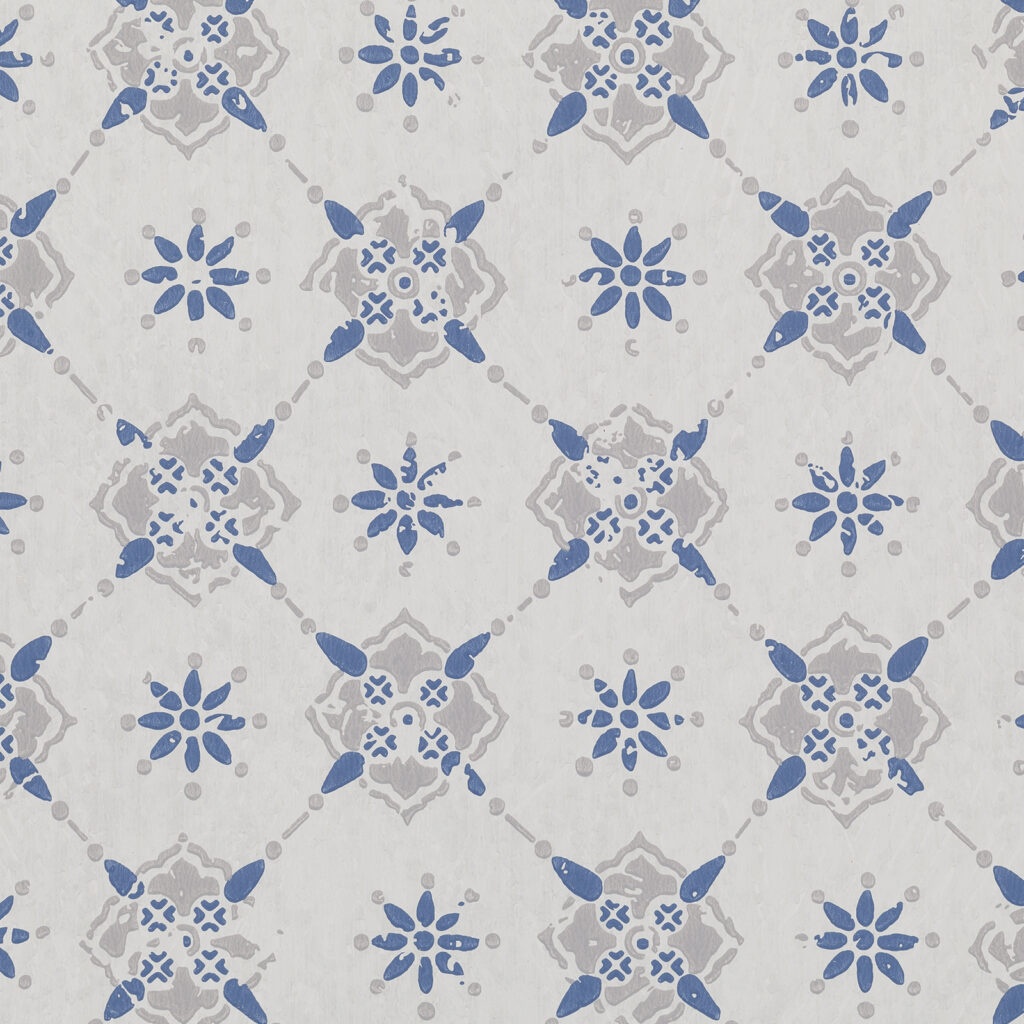
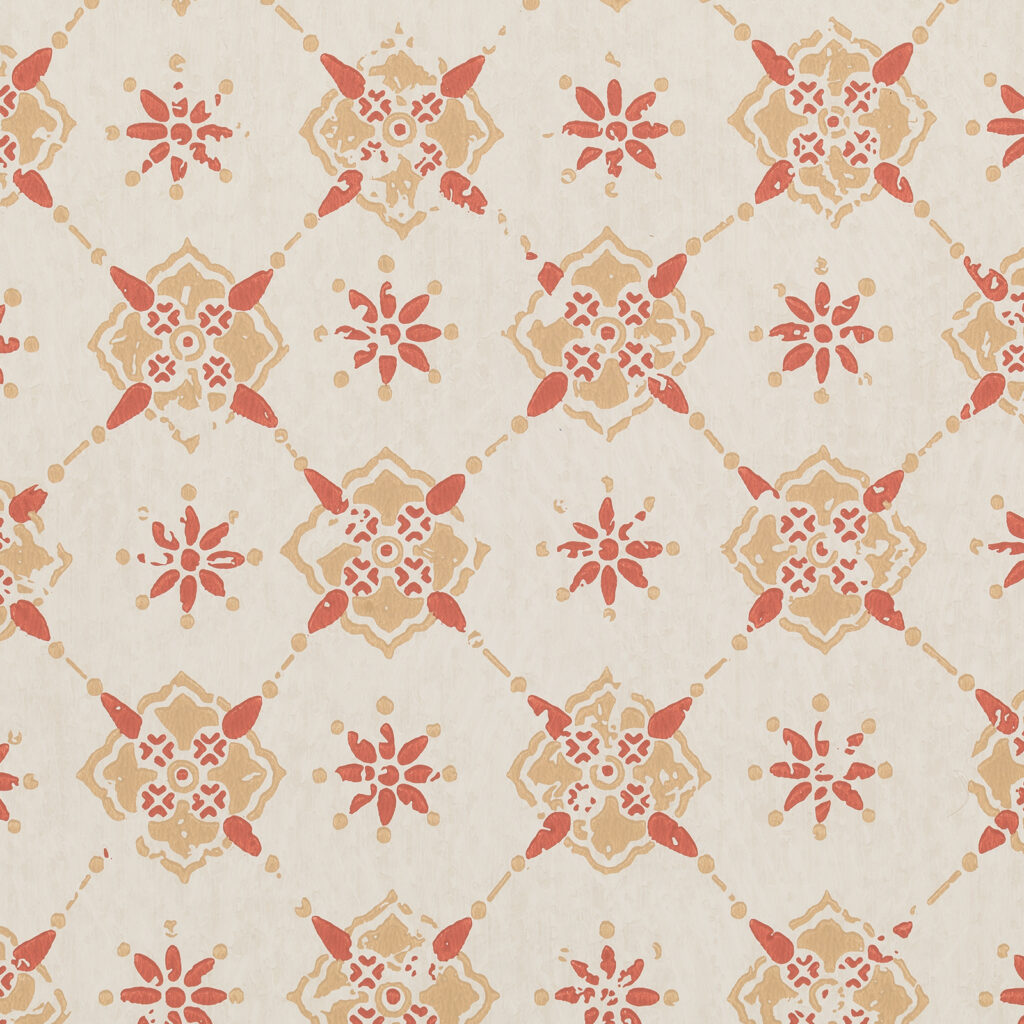
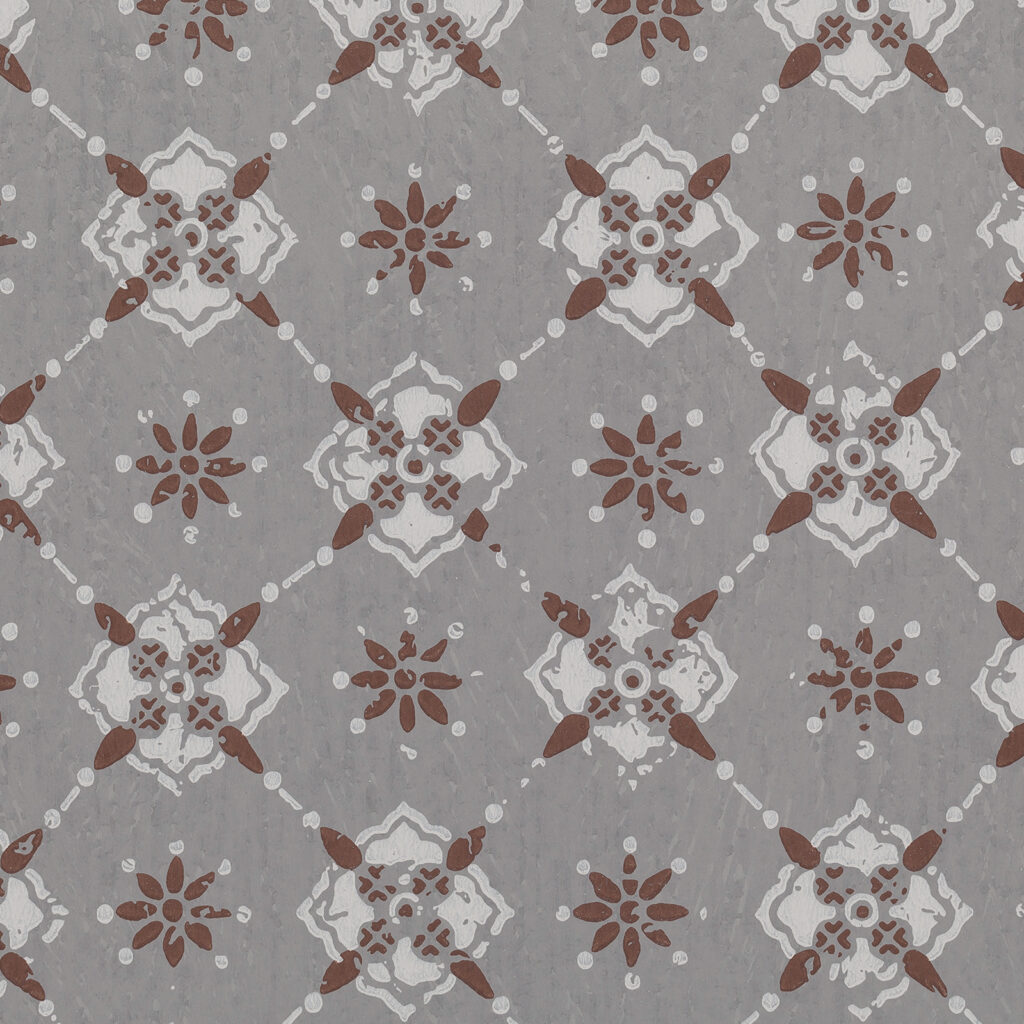
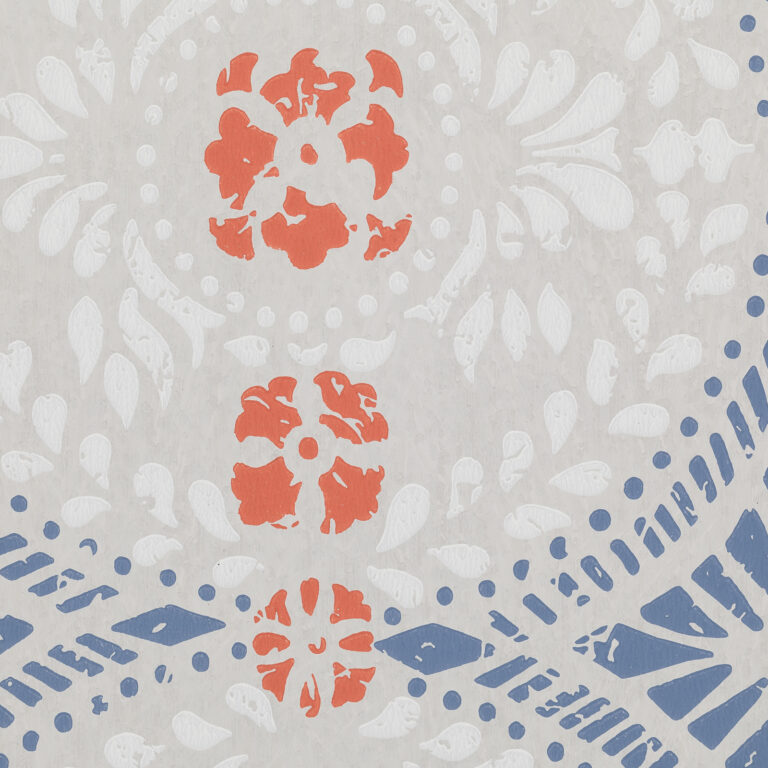
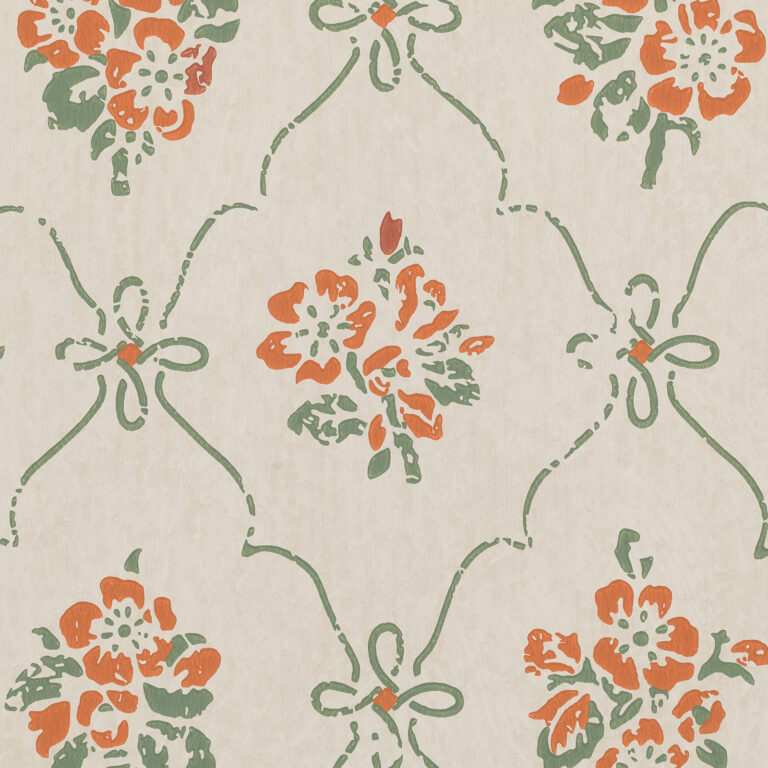
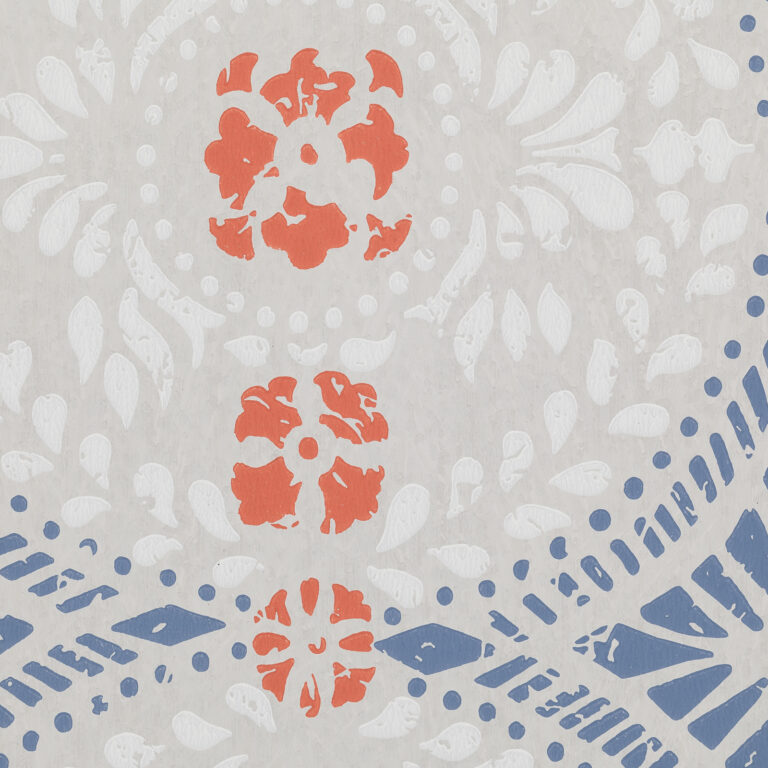
“Farstun” is a typical Hälsingland stencil wallpaper from the last half of the 19th century. The era is known in Sweden as the Karl Johan period and had a penchant for silk-imitating patterns in sober colors. But very few could afford such silk wallpapers. Most had to make do with imitations, usually in the form of stencilled patterns in glue paint on rag paper. The middle classes of the population, priests and burghers, were also unable to afford expensive silk damask, but instead turned to local painters who became masters at imitating fabric patterns using stencils and silk-like colors. Finally, farmers also embraced the fashion for silk wallpaper, but translated the wallpaper patterns into bright vernacular colors. We have found this wallpaper in several farms in the Järvsö area where the color scheme blue, gray, red is the most common and the wallpaper that most closely resembles the farmers’ traditional colors. The more subdued color schemes in the catalog, on the other hand, are more typical of the 19th century and the Karl Johan era. Stenciled wallpaper is almost always combined with a single-color breast panel up to window height, made of wood or gray rag paper. This gives the rooms a sense of calm and harmonious proportions, even if the wallpaper patterns happen to be wild and colorful.





Reviews
There are no reviews yet