SKU: 3031-92-1

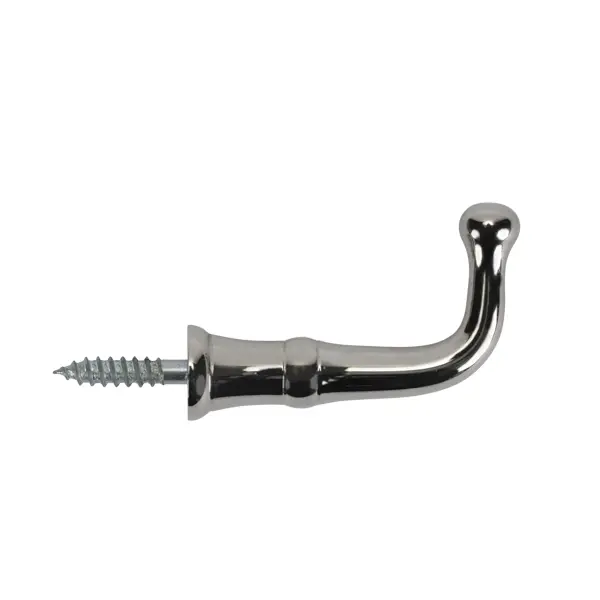
Screw hook nickel-plated, medium

EUR15.10

Available in central stock
Quick facts

Additional Information

Weight0.025 kg
Length

43 mm excl. screws

Material

Nickel-plated brass

Turn-of-the-century screw hook made of solid nickel-plated brass with iron screw part. Common in the past as a clothes hook in rooms and hallways, as a towel rack in kitchens, etc.

Also available in brass. See related products.

Total length approx. 60 mm, of which the hook approx. 43 mm.
Description

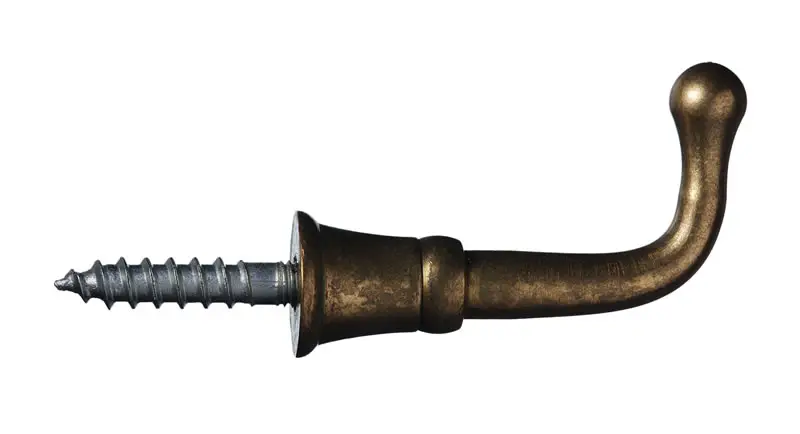
Turn-of-the-century screw hook made of solid nickel-plated brass with iron screw part. Common in the past as a clothes hook in rooms and hallways, as a towel rack in kitchens, etc.

Also available in brass. See related products.

Total length approx. 60 mm, of which the hook approx. 43 mm.
Additional Information

Weight0.025 kg
Length

43 mm excl. screws

Material

Nickel-plated brass

Reviews

There are no reviews yet

Be the first to review “Screw hook nickel-plated, medium”

Your email address will not be published. Required fields are marked *

Related products

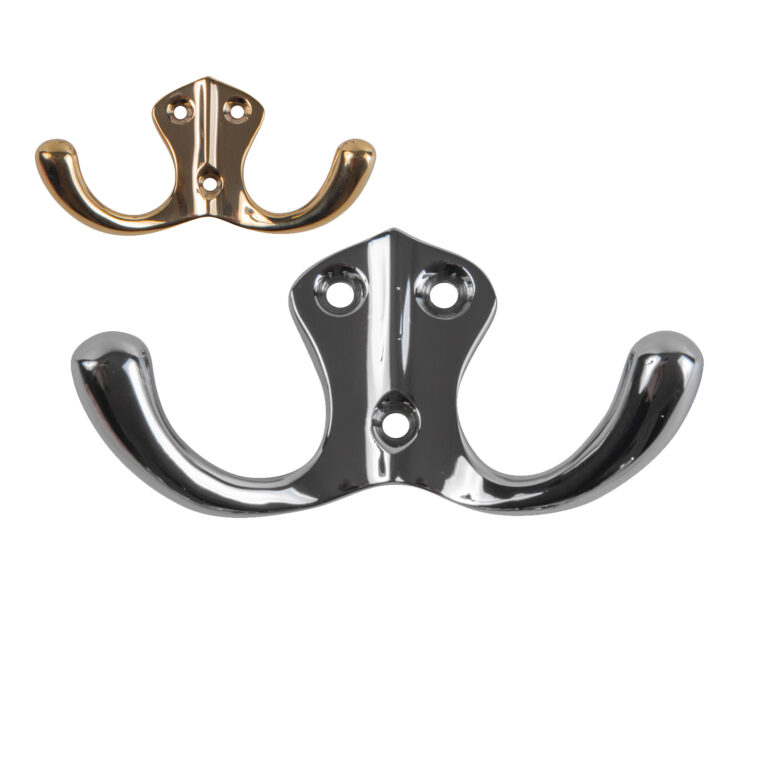
Double hook

Classic double hook from the period 1920 to 1965. The hook is available in untreated brass or nickel-plated brass. Screws are included.

Price range: EUR9.15 through EUR10.07

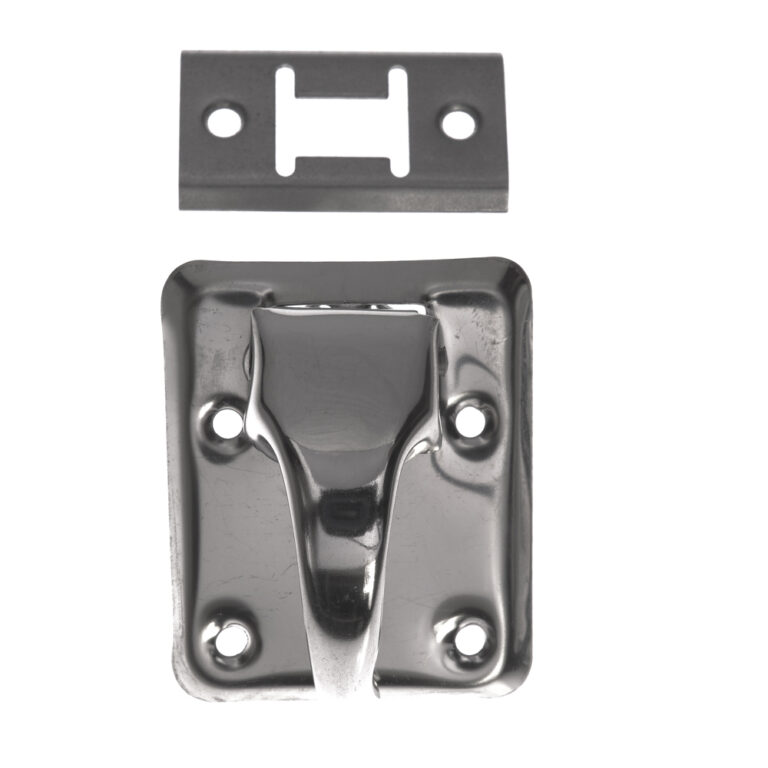
Cabinet rule 5181

Model: Albert Karlsson Metallfabriksbolag “Ticka Standard”

Period: 1930-1960

An end cap is included.

This model is intended for overlapping doors.

It is placed vertically at the top edge of the door on lower cabinets (as shown), vertically but upside down compared to the picture at the bottom edge of upper cabinets, and horizontally on the side of the door on upper cabinets.

When installing cabinet frames on lacquered cabinet doors, the screws should not be overtightened to avoid cracking the lacquer.

Use a screwdriver instead of a screwdriver.

Screw not included.

Matching screw number 9 for the bolt and screw number 19 for the end plate

EUR11.44

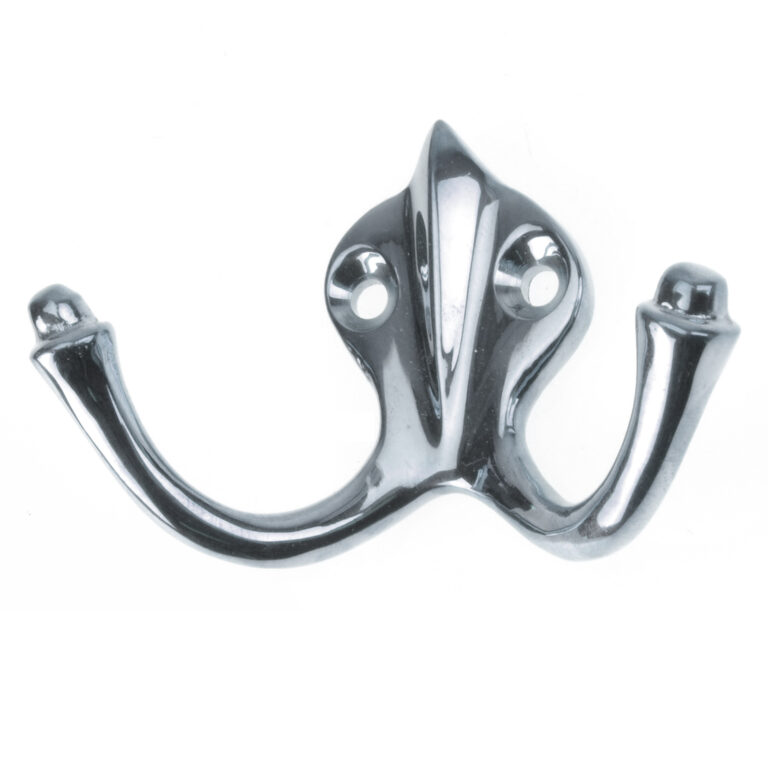
Clothes hook nickel plated 8115

Model: Iron Company No. 5601

Period: 1890-1960

Screw not included.

Matching screw number 19

EUR16.01

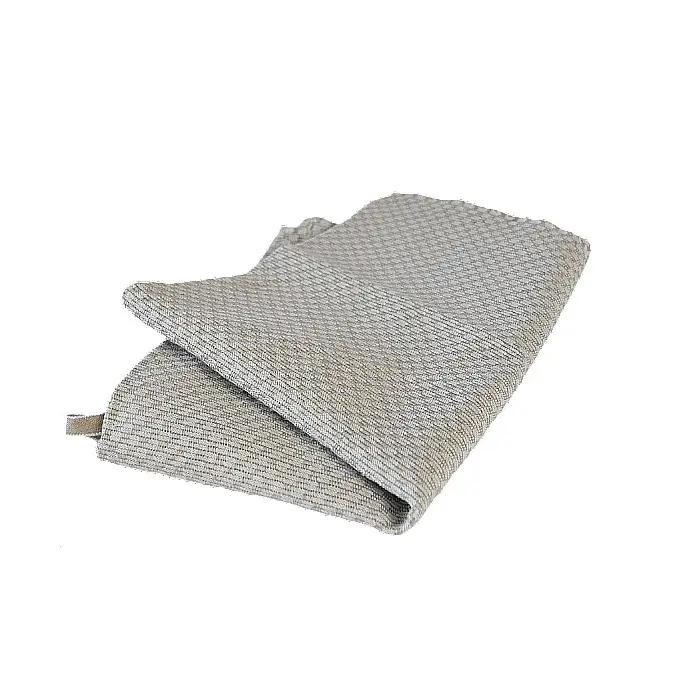
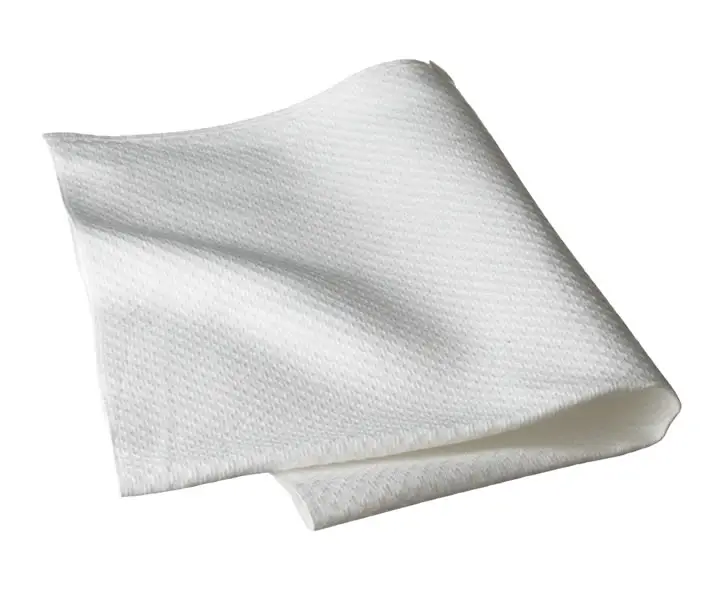
Towel unbleached

The traditional kitchen and toilet towel in “poor man’s suit” in classic white, blue, unbleached and red.

50% cotton, 50% linen of bleached quality with elements of bleached and unbleached yarn.

Shrinks about 7% on first wash. Machine wash recommended, preferably 90 degrees after heavy soiling, otherwise 40 or 60 degrees. Can be ironed or mangled. As towels, it is sufficient to hang them smooth after washing and then fold them. Stains are removed with linseed oil soap. Sold as towels in four different colors and as white napkins.

The towels from Gysinge have an interesting history. Until the 1980s, Gysinge was a nursing home run by the county council. To create employment for the 60 or so mentally ill people who stayed at the home, there was, among other things, a weaving room. Many of the inmates spent a long time in the weaving room, which gave them a more meaningful existence – and the county council a cash injection. At the home, real fabrics were woven, not therapy work in the modern, negative sense. For example, all the curtains, tablecloths and napkins were woven for the reopening of Gysinge Manor in the 1960s. This towel fabric is a so-called sieve weave (the pattern looks like a sieve – but only appears after washing!), woven to order for a guesthouse in Järvsö in the 60s. The weaving method is also called poor man’s cloth, a weaving method that produced a fabric that looks much more exclusive than it really is. The weaving method is very old and produces a highly absorbent and durable fabric, which has always been used for towels and tablecloths. The fabric is most beautiful if you mangle it, then the shiny linen threads in the weft are emphasized, against the duller warp of cotton. The quality only becomes more beautiful the more you wear the fabric.

EUR24.25

Towel white

The traditional kitchen and toilet towel in “poor man’s suit” in classic white or blue. The sturdy napkin for everyday and party.

This towel fabric is a so-called sieve weave (the pattern looks like a sieve – but only appears after washing!), woven to order for a guesthouse in Järvsö in the 60s.

The weaving method is also called poor man’s cloth, a weaving method that produced a fabric that looks much more exclusive than it really is.

The weaving method is very old and produces a highly absorbent and durable fabric, which has always been used for towels and tablecloths. The fabric is most beautiful if you mangle it, then the shiny linen threads in the weft are emphasized, against the duller warp of cotton. The quality only becomes more beautiful the more you wear the fabric.

One of the contradictions of the fabric is that as towels it gives a slightly old-fashioned robust character, while as a well-mangled tablecloth it gives an exclusive feeling of “Oh my, what’s this?”.

EUR24.25

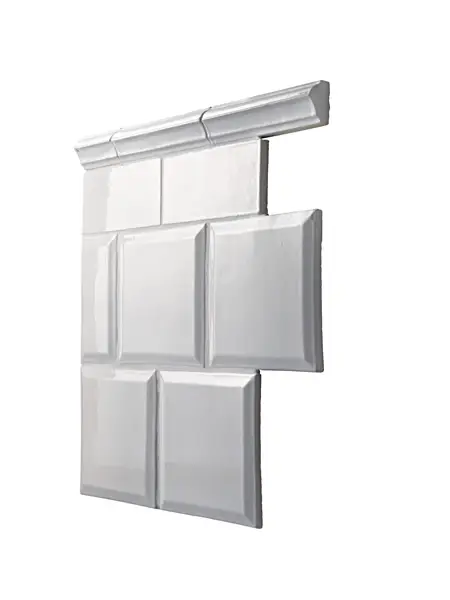
Tile beveled edges 15x15cm 0,5 sqm

The Gysinge tile is a beveled tile for bathrooms and kitchens of a model that was common in Sweden in the late 19th and early 20th centuries. Several Swedish tile manufacturers existed at the time, including Ekeby Bruk in Uppsala.

What distinguishes Swedish tiles from international models is that Swedish tiles are usually square, not rectangular, and that they are available in so many parts, including half-tiles, borders and moldings, that a complete set can be made. The tiles are thick and strong and have a vibrant surface precisely because they are handmade and fired in old kilns. The glazing is also done by hand, which further enhances the rustic impression. All tiles are labeled “Gysinge” on the back.

EUR164.24

Related articles

There are no related articles for this product.

Screw hook nickel-plated, medium

Turn-of-the-century screw hook made of solid nickel-plated brass with iron screw part. Common in the past as a clothes hook in rooms and hallways, as a towel rack in kitchens, etc.

Also available in brass. See related products.

Total length approx. 60 mm, of which the hook approx. 43 mm.
Please leave a comment what you think about our new webshop

This site is registered on wpml.org as a development site. Switch to a production site key to remove this banner.