SKU: 3051-13

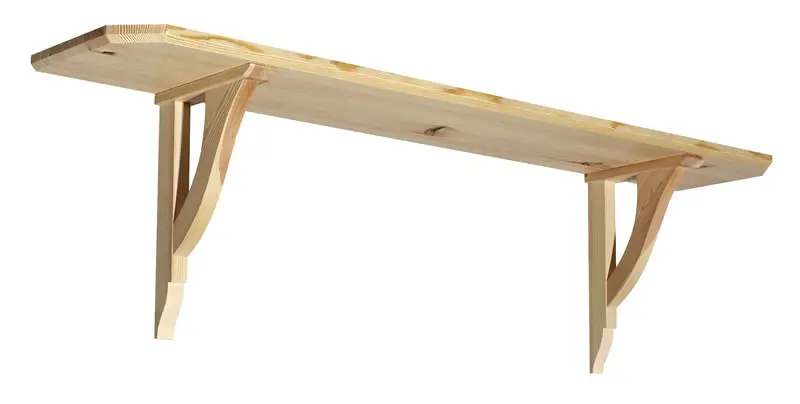
Kitchen shelf complete

EUR150.52

Available in central stock
Quick facts

Additional Information

Height

34 cm (12 in)

Width

28 cm (11 in.)

Length

125 cm

Contents

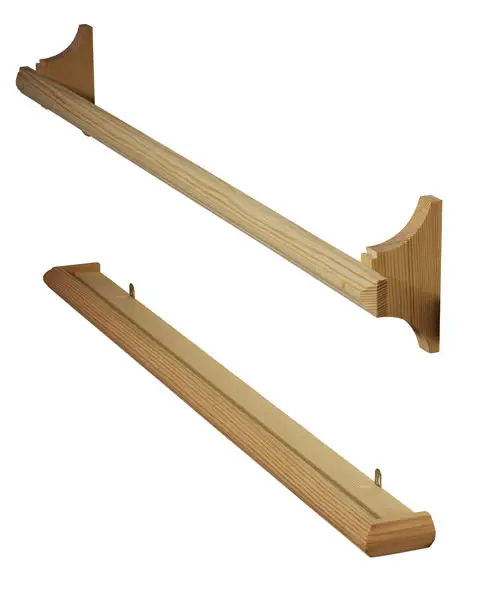
a shelf, two brackets

Material

untreated pine

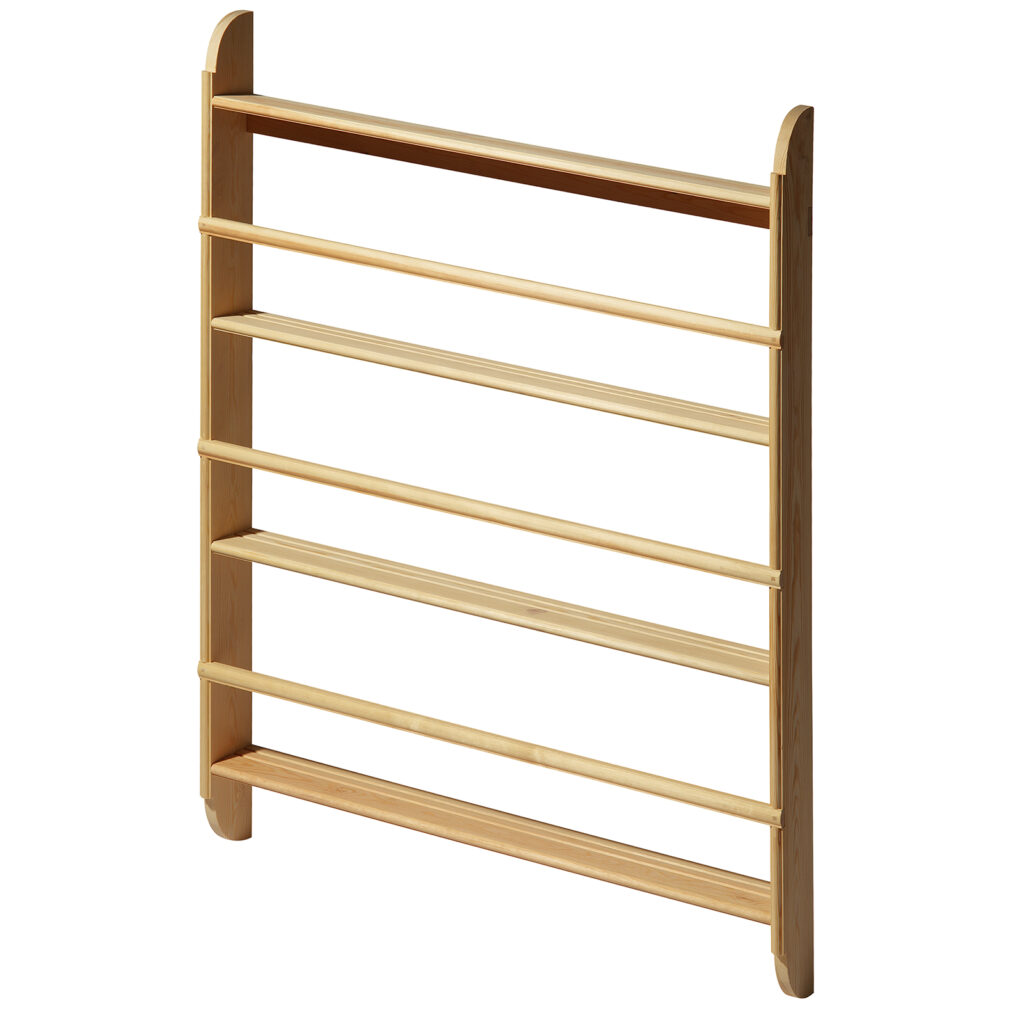
Kitchen shelf in simple Art Nouveau style after a model from around 1905. Originally made as a counter shelf with shelves of rib where household utensils were placed for drainage.

Pine, untreated. One shelf. Length 125 cm, width 28 cm, height (bracket) 340 mm, thickness 2 cm.

Additional freight.
Description

Kitchen shelf in simple Art Nouveau style after a model from around 1905. Originally made as a counter shelf with shelves of rib where household utensils were placed for drainage.

Pine, untreated. One shelf. Length 125 cm, width 28 cm, height (bracket) 340 mm, thickness 2 cm.

Additional freight.
Additional Information

Height

34 cm (12 in)

Width

28 cm (11 in.)

Length

125 cm

Contents

a shelf, two brackets

Material

untreated pine

Reviews

There are no reviews yet

Be the first to review “Kitchen shelf complete”

Your email address will not be published. Required fields are marked *

You may also need to

EUR429.59

Add to Cart This product has multiple variants. The options may be chosen on the product page

Related products

Soap with scrub lavender

Mild and creamy soap with the scent of essential lavender and lavender flowers.

Weight 96 g. Height 3 cm. Diameter 6,5 cm

EUR8.69

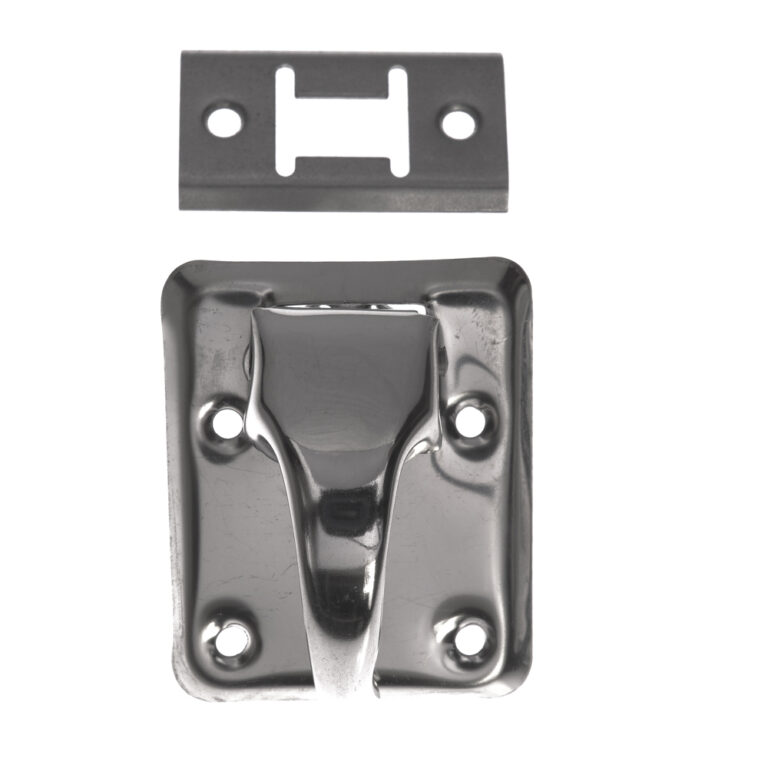
Cabinet rule 5181

Model: Albert Karlsson Metallfabriksbolag “Ticka Standard”

Period: 1930-1960

An end cap is included.

This model is intended for overlapping doors.

It is placed vertically at the top edge of the door on lower cabinets (as shown), vertically but upside down compared to the picture at the bottom edge of upper cabinets, and horizontally on the side of the door on upper cabinets.

When installing cabinet frames on lacquered cabinet doors, the screws should not be overtightened to avoid cracking the lacquer.

Use a screwdriver instead of a screwdriver.

Screw not included.

Matching screw number 9 for the bolt and screw number 19 for the end plate

EUR11.44

Red fruit brush

Root vegetable brush in oiled birch and union mix. Union mix is strong and water resistant. This is a superb brush for scrubbing potatoes and root vegetables.

EUR13.63

Bath brush horsehair

Oak and horsehair bath brush with good grip for the hand.

Tagel is an excellent material for bath brushes as it is soft and pliable while being strong and durable and has some resilience.

Together with a good soap, it provides a soft and pleasant lather for a perfect clean. The hollow tag transports moisture, which means that if you knock out the water properly after use, the tag will feel as good as dry.

Allow the brush to dry hanging or standing on the tag so that the water is transported away from the wood, which is more sensitive to moisture.

EUR20.59

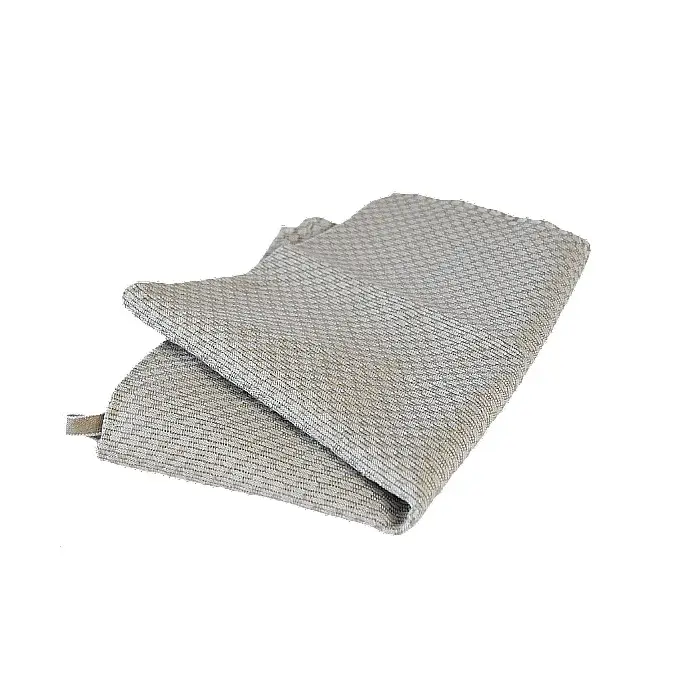
Towel unbleached

The traditional kitchen and toilet towel in “poor man’s suit” in classic white, blue, unbleached and red.

50% cotton, 50% linen of bleached quality with elements of bleached and unbleached yarn.

Shrinks about 7% on first wash. Machine wash recommended, preferably 90 degrees after heavy soiling, otherwise 40 or 60 degrees. Can be ironed or mangled. As towels, it is sufficient to hang them smooth after washing and then fold them. Stains are removed with linseed oil soap. Sold as towels in four different colors and as white napkins.

The towels from Gysinge have an interesting history. Until the 1980s, Gysinge was a nursing home run by the county council. To create employment for the 60 or so mentally ill people who stayed at the home, there was, among other things, a weaving room. Many of the inmates spent a long time in the weaving room, which gave them a more meaningful existence – and the county council a cash injection. At the home, real fabrics were woven, not therapy work in the modern, negative sense. For example, all the curtains, tablecloths and napkins were woven for the reopening of Gysinge Manor in the 1960s. This towel fabric is a so-called sieve weave (the pattern looks like a sieve – but only appears after washing!), woven to order for a guesthouse in Järvsö in the 60s. The weaving method is also called poor man’s cloth, a weaving method that produced a fabric that looks much more exclusive than it really is. The weaving method is very old and produces a highly absorbent and durable fabric, which has always been used for towels and tablecloths. The fabric is most beautiful if you mangle it, then the shiny linen threads in the weft are emphasized, against the duller warp of cotton. The quality only becomes more beautiful the more you wear the fabric.

EUR24.25

Kitchen stove rod nickel-plated 105 cm complete

Rod to attach above the kitchen stove for kitchen utensils, potholders etc. Can also be used as a towel rack in the kitchen, or in the bathroom.

MATERIAL Made of solid nickel-plated brass. Polished shiny surface, but not lacquered. The model was common from the late 1800s until the 1930s. Highest quality.

MOUNTING The wall brackets have sturdy iron screws (3.5 mm) that are screwed (carefully!) into the wall. The hooks and brackets are then screwed onto the pole. Last of all, you tighten the screws that prevent the bar from rolling.

TIP The bar can be shortened by sawing it off. It can also be connected to another pole if you want a longer version. In that case, you should place another wall bracket over the joint and buy an extra coupling bracket.

EUR382.01

Related articles

There are no related articles for this product.

Kitchen shelf complete

Kitchen shelf in simple Art Nouveau style after a model from around 1905. Originally made as a counter shelf with shelves of rib where household utensils were placed for drainage.

Pine, untreated. One shelf. Length 125 cm, width 28 cm, height (bracket) 340 mm, thickness 2 cm.

Additional freight.
Please leave a comment what you think about our new webshop

This site is registered on wpml.org as a development site. Switch to a production site key to remove this banner.