[currency_switcher]

SKU: 3051-36

Stool Bertil Karlsson

2.495 SEK

Available in central stock
Quick facts

Andreas Skatter

Weight 3 kg

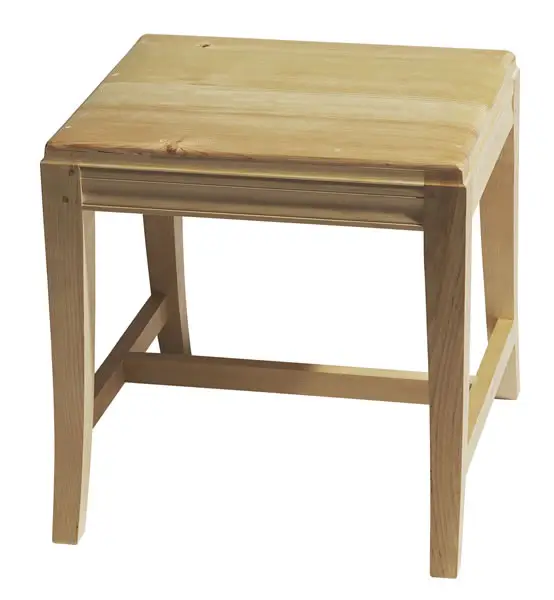
Newly composed stool/tabourette in the same style and material as the chair of the same name.

Chair Bertil Karlsson History:

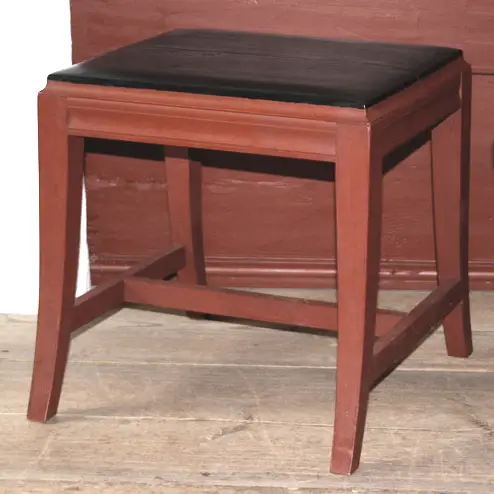
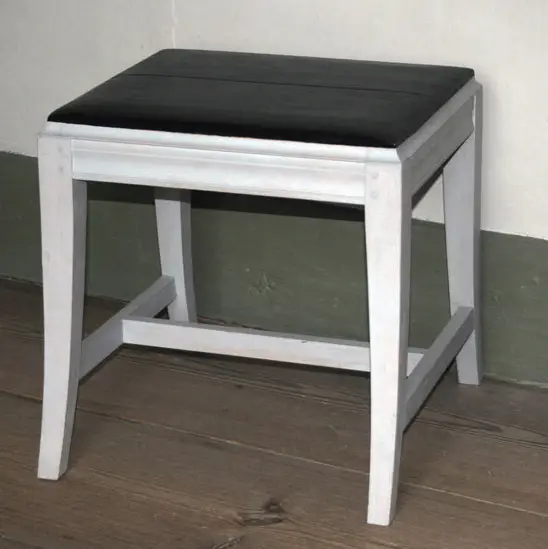
A late Gustavian chair that was found broken in the warehouse when Bertil Karlsson’s antique shop in Gamla Gefle changed owners in the 1980s. The chair was probably made around 1800 and is unusually simple with its square front legs – normally they are turned – and with a leather-imitating wooden seat. At the same time, few Bellman chairs – the model is usually called that – are as simply elegant as this one. The original chair was originally painted with mahogany-imitation English red linseed oil paint and with a black seat. Equally common were gray chairs with black seats. Both variants are painted in NästgÃ¥rdshuset in Gysinge. The chair is made entirely by hand and all surfaces are hand-planed. The cross in the back has a typical crossing construction (compare the shortcuts on other “copies” on the market) made of two connected parts, and therefore extremely durable. The round rosette in the back cross is carved by sculptors.
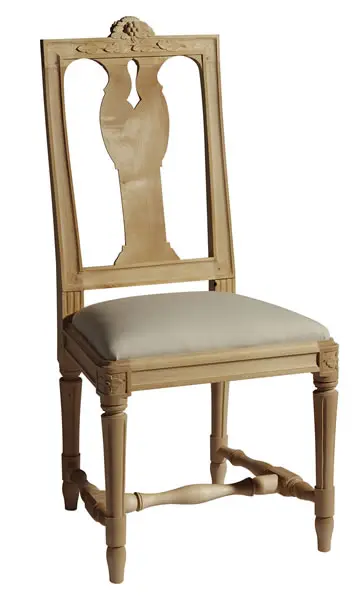
Birch with pine seat. Height 40, length 40, width 35 cm. Unpainted. Painting can be arranged.

Description

Newly composed stool/tabourette in the same style and material as the chair of the same name.

Chair Bertil Karlsson History:

A late Gustavian chair that was found broken in the warehouse when Bertil Karlsson’s antique shop in Gamla Gefle changed owners in the 1980s. The chair was probably made around 1800 and is unusually simple with its square front legs – normally they are turned – and with a leather-imitating wooden seat. At the same time, few Bellman chairs – the model is usually called that – are as simply elegant as this one. The original chair was originally painted with mahogany-imitation English red linseed oil paint and with a black seat. Equally common were gray chairs with black seats. Both variants are painted in NästgÃ¥rdshuset in Gysinge. The chair is made entirely by hand and all surfaces are hand-planed. The cross in the back has a typical crossing construction (compare the shortcuts on other “copies” on the market) made of two connected parts, and therefore extremely durable. The round rosette in the back cross is carved by sculptors.
Andreas Skatter

Weight 3 kg

Reviews

There are no reviews yet.

Be the first to review “Stool Bertil Karlsson”

Your email address will not be published. Required fields are marked *

You may also need to

Select options This product has multiple variants. The options may be chosen on the product page

Related products

Folding stool

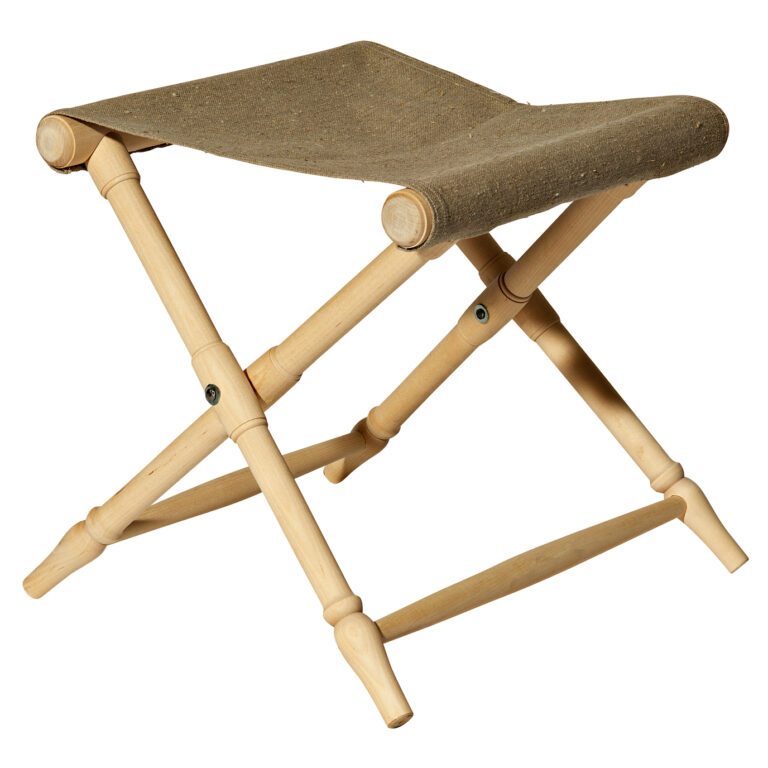
The folding stool is a common type of extra chair. We picked up our stool from a load of building materials on the way to the dump. The shape is 17th-17th century, but this particular example was probably made as late as the early 20th century. Our original pallet was painted white (about 2% green umber), but the original fabric was replaced. It is likely that the stool was originally covered with a single-colored marquis fabric, or with an unbleached linen fabric, as in the picture.

Hand-turned birch, iron rivets. Supplied unpainted, with fabric. Height unfolded 45 cm. Width 36 cm. Length 41 cm.

2.990 SEK

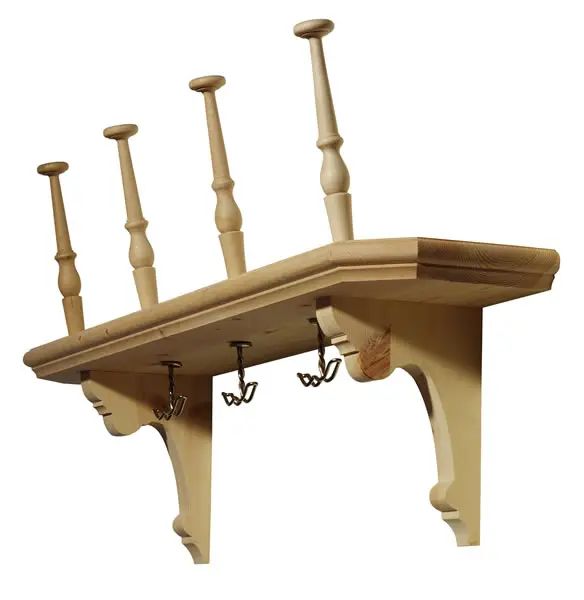
Hat rack in Oak 5308 Black with 3 hooks

Model: Eskilstuna Jernmanufaktur Nr 1108

Period: 1890-1950

A complete hat rack with a length of 1000 mm includes 2 brackets, 3 bars and 3 anchor hooks.

2.475 SEK

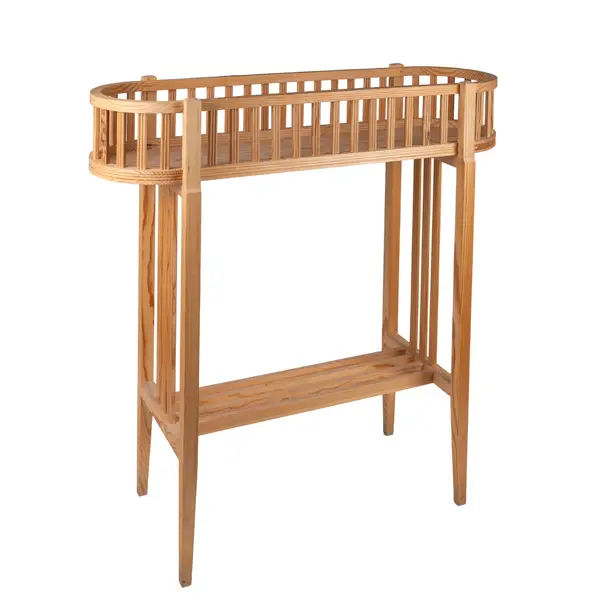
Flower table, style 1910s

Copy of one of our many beautiful flower tables in Gysinge. The original table is from the 1910s in typical simple neo-Gustavian style, painted white, with about a hundred slats and thin tapered legs.

4.495 SEK

Baroque bench

One of the most common benches in Swedish furniture history and the bench that the common people used indoors for their long trestle tables.

This particular model with baroque-shaped legs of the early 18th century type was one of the most common even into the early 19th century.

The model for our bench comes from the Hedemora Theater, built in 1828, still in use and one of the few preserved rural theaters of the time.

In the 20th century, we have often seen these benches moved out and used as garden benches – the rustic quality means that the bench can stand outdoors.

The baroque bench is just the right length for our percussion table, but could also be useful as a bench in the hall, as a flower bench indoors, or why not as a garden bench?

The bench has a seat board in the form of a single plank and the legs, sawn from one piece, are inserted with continuous tenons and wedges in the seat board. The bench is hand-planed in a contemporary style.

5.495 SEK

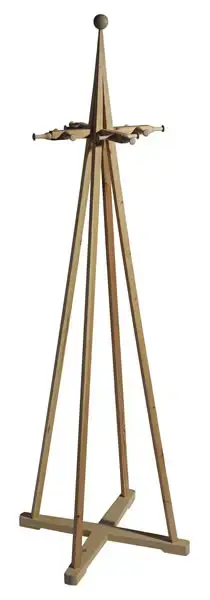
Coat hanger

Decorative coat rack based on a 19th century model. Solid pine stand with twelve hand-turned birch hanging knobs. The original hanger is painted dark reddish brown (burnt terra) with carbon black knobs.

6.290 SEK

Round table Gustavian complete

Small, almost circular table after the Gustavian model. The table consists of two halves, which can be paired together, or placed independently. The halves are held together by small hand-forged iron hooks. Because the table is divisible, there are several possible uses: coffee table, window table, flower table, wall table, etc. The table is completely handmade and hand-planed with a profiled edge on the top, round frame and square, tapered legs. The legs are held together by a foot cross. Tables of this type are often painted in light gray or English red.

13.995 SEK

Related articles

There are no related articles for this product.

Please leave a comment what you think about our new webshop