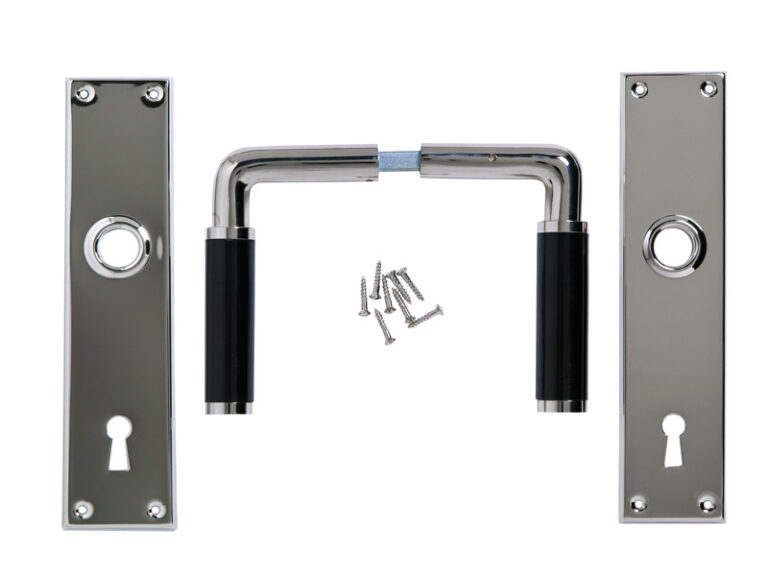
SKU: 3031-188
EUR1.83
Sleeve to equalize the difference between an 8 mm rod and a 9 mm hole.
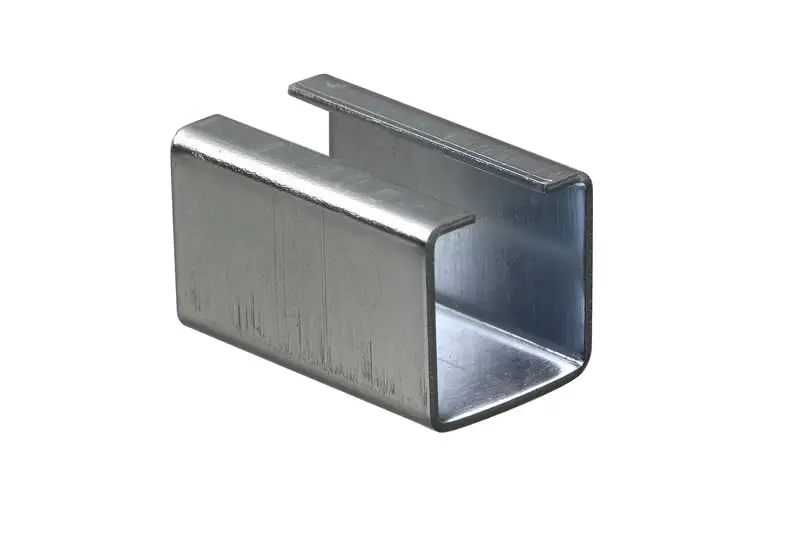
Galvanized steel. Installed completely invisibly.
There are no reviews yet
Your email address will not be published. Required fields are marked *
Your review *
Name *
Email *
Save my name, email, and website in this browser for the next time I comment.
EUR70.00
EUR72.74
EUR113.92
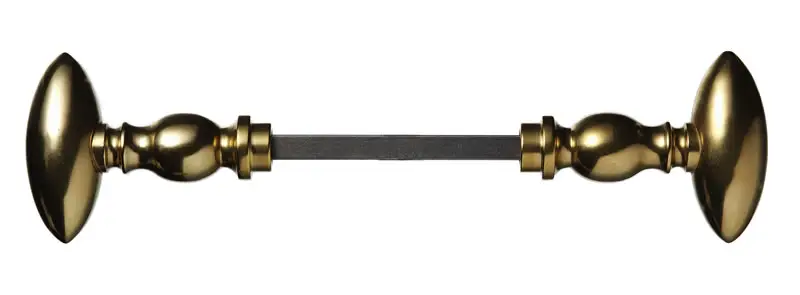
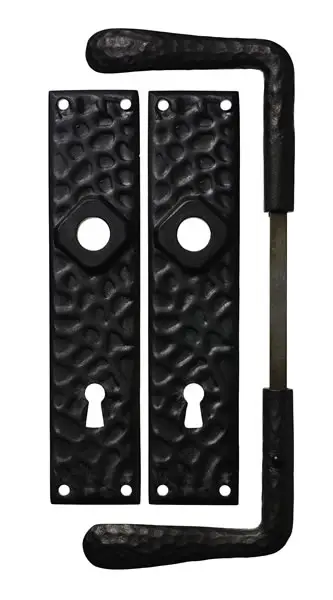
Rosette in iron of ordinary 1800 and early 1900s model. Fits our door knobs but is also useful when supplementing older prints and knobs. With the new dimensions, our lock fittings also fit most modern locks with through screws, etc.
EUR10.52
Model Alb. Karlsson No. 798
Period: 1920-1935
Screw not included.
fitting screw number 19
EUR63.59
Model: Tekaverken 400 N
Time period: 1945 – 1970
Key plate included.
Matching screw number 19
EUR71.83
Role model: Lock Company No. 108
Period: 1895-1930
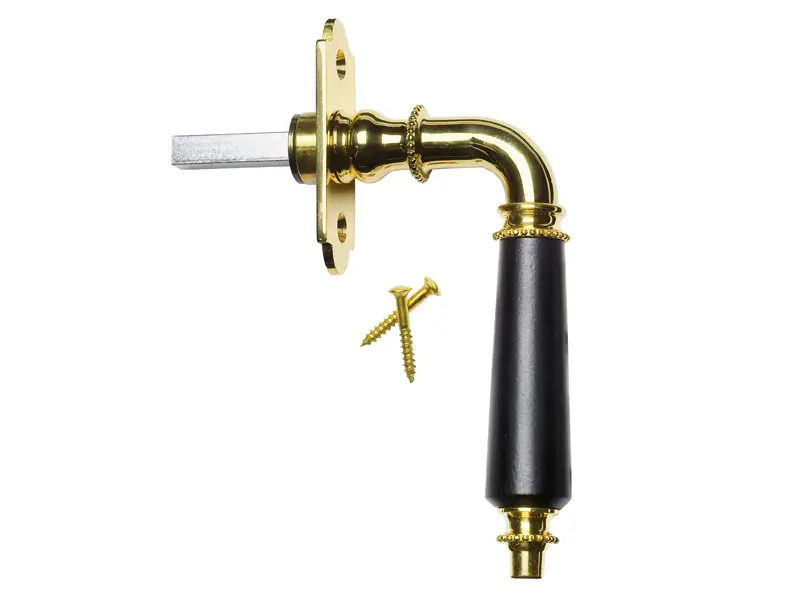
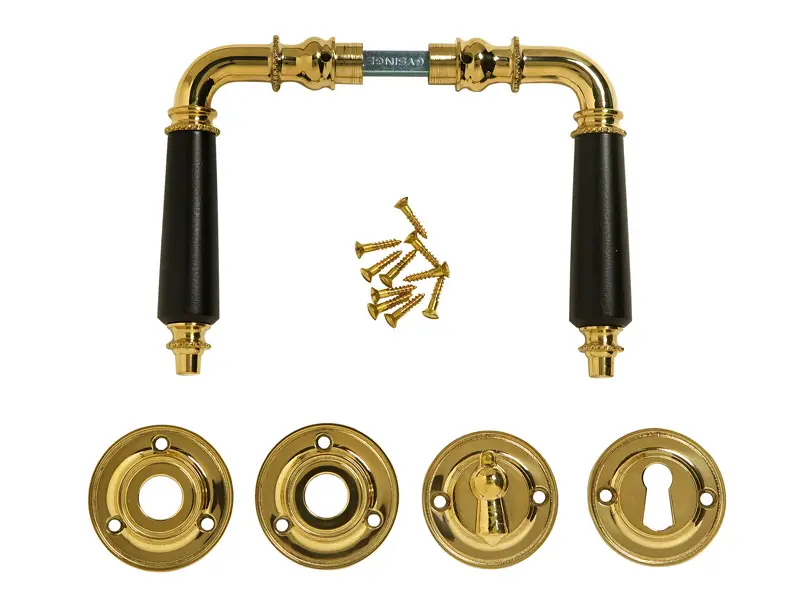
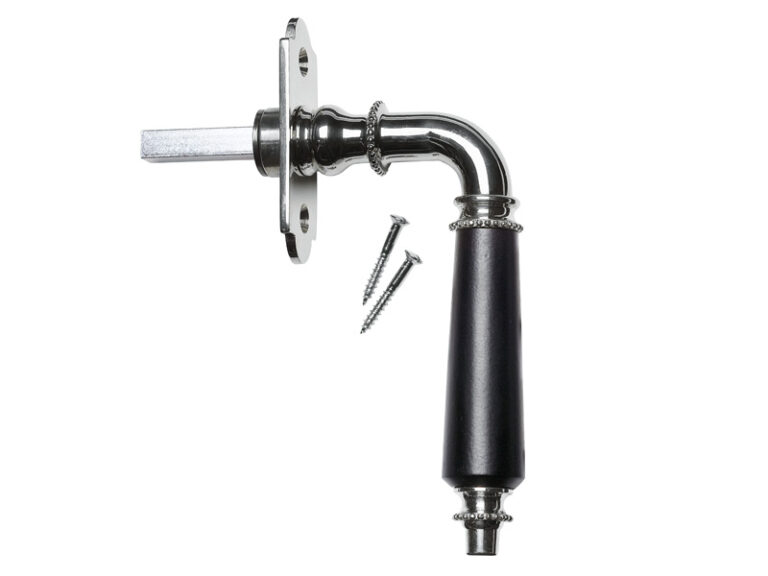
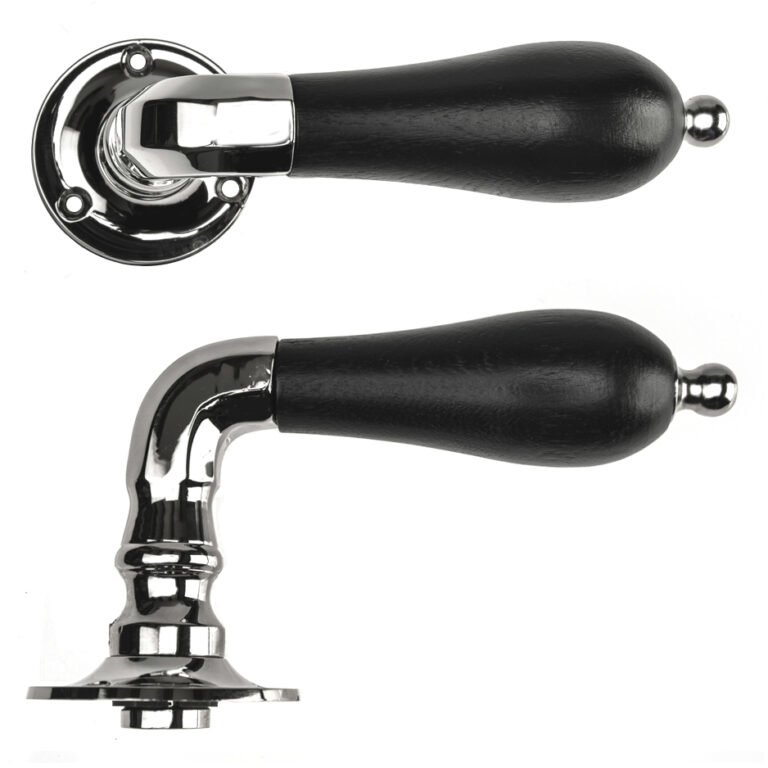
Black colored birch handles
Not suitable for outdoor use.
Turned lever of a model common from the middle of the 19th century to the beginning of the 20th century. Can be used both in mortise locks in exterior doors and interior doors. Polished brass that darkens naturally. Matching rosettes and key plates are available (see Related Products).
The 1930s was the breakthrough year for functional design in Sweden. A quest for simple and functional forms, honest and clear materials and, not least, simplified mass production paved the way for a whole range of new building materials.
On the fittings side, especially the door fittings changed. Nickel-plated surfaces were used instead of brass, which had to be polished to keep its shine. The handles were now made of easy-to-clean bakelite instead of wood. And the new long plates combined the two functions of rosette and key plate in a single plate.
In addition, the door locks were standardized so that all the prints fit all the locks and all long plates were made with the same distance between the print and the hole for the key.
EUR80.06
Reviews
There are no reviews yet