SKU: 6102

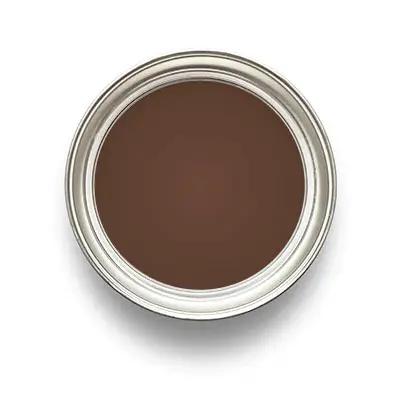
Mud color Brown Umbra

Price range: EUR10.07 through EUR89.21

Make a choise
Quick facts

Andreas Skatter

Weight 0.46 kg
Size

0,2 l, 0,25 l, 10 l, 3 l

Color

Brown

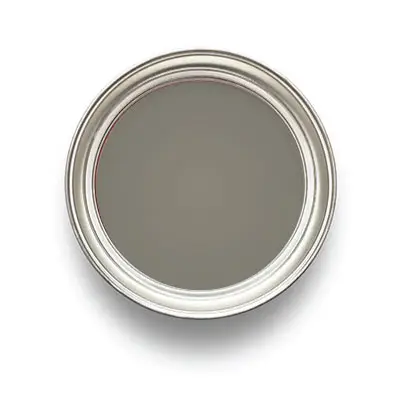
Strong dark brown color that changes to nougat color mixed with white.

Nearest NCS S 8005-Y80R

NOTE! The color reproduction on the screen does not correspond 100% to reality.
Type of paint: Sludge paint for outdoor use made from pigment, stone ground rye flour and water. Linseed oil added in all colors except Red Ochre.

Characteristics: Lightweight. Opaque. Easy to renew and maintain.

Suitable for: Unplaned timber, old or new. Adheres best to timber and sawn surfaces. If you want to paint on planed surfaces, these can be left unpainted for a year so that the wood surface has time to rise first. Excellent on previously sludge-painted surfaces. Sludge paint also adheres to gutters, valve grilles, list covers and other details of galvanized sheet metal. Leave the sheet unpainted for one or two winters first, and the paint will adhere better.

Consumption: One liter is enough for 3-5 square meters on a normally absorbent surface. Note! Expect a 25 percent increase in the actual facade area of an unpaneled log house or a house with a thick cover strip panel. When repainting, two coats are usually required. When repainting, one is usually enough.

Colors: The paint is available in about ten basic colors. The basic colors can also be mixed together to create other shades. Unlike the other colors, white sludge paint should not be painted unbroken, as it quickly becomes ugly as it ages. Before any color change, the surface should be scrubbed clean of loose pigments and paint layers, preferably with Gysinge’s paint wash and rinsed with water.

Gloss: Matt.

Durability: First time 5-10 years. When repainted 10-15 years.

Thinning: Not normally needed. However, sometimes the paint may be too thick in the can. Then you can dilute with water to normal consistency.

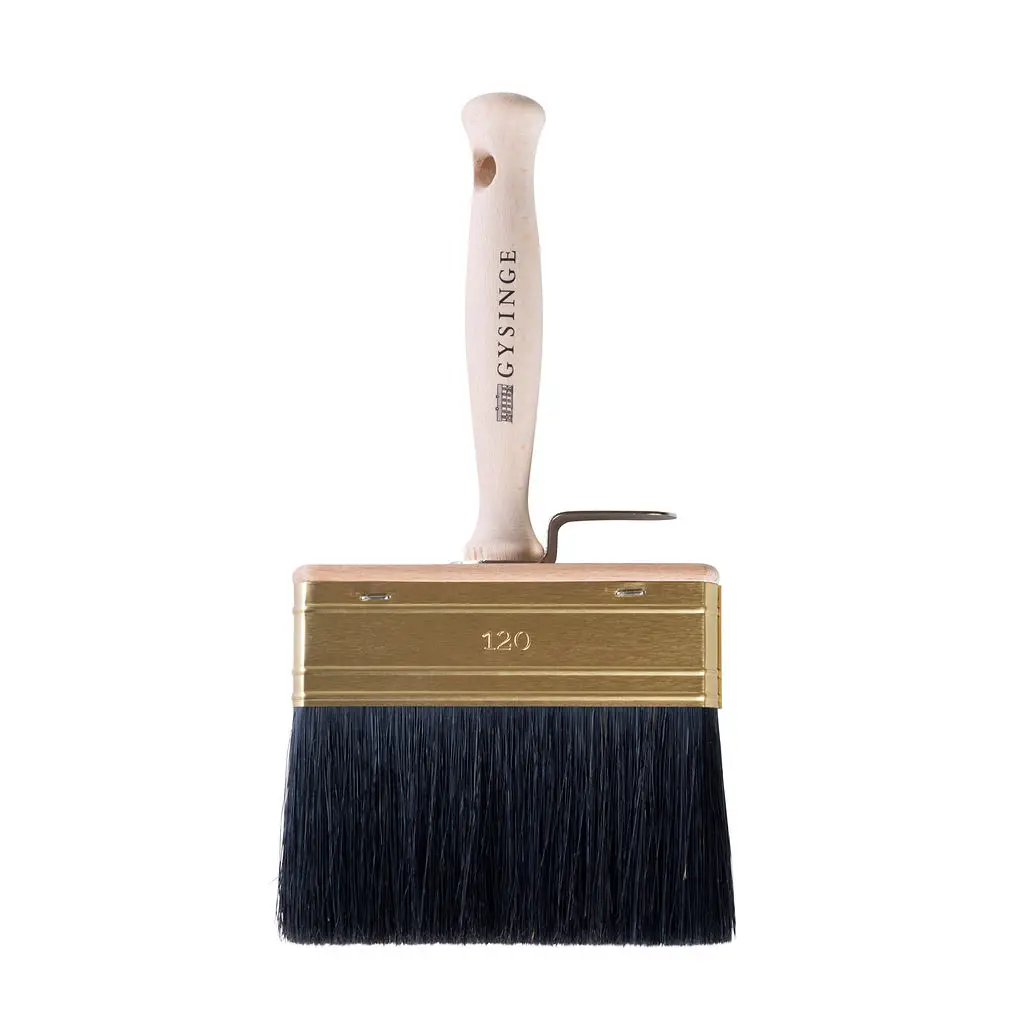
Tools: Horn sucker or painting brush.

Drying time: Normally 1-2 hours. Overpaintable after 24 hours at the earliest.

Storage: Cool but frost-free. If stored for a long time, the paint may thicken. The paint may mold if the jar is left open for a long time.

Brush wash: Water and linseed oil soap.

Description

Strong dark brown color that changes to nougat color mixed with white.

Nearest NCS S 8005-Y80R

NOTE! The color reproduction on the screen does not correspond 100% to reality.
Andreas Skatter

Weight 0.46 kg
Size

0,2 l, 0,25 l, 10 l, 3 l

Color

Brown

Reviews

There are no reviews yet

Be the first to review “Mud color Brown Umbra”

Your email address will not be published. Required fields are marked *

You may also need to

Price range: EUR12.72 through EUR52.61

Select options This product has multiple variants. The options may be chosen on the product page

EUR18.21

Select options This product has multiple variants. The options may be chosen on the product page

Related products

Linseed oil paint charcoal gray

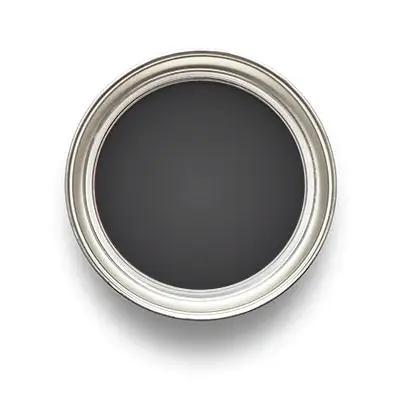
A cold gray color with a tendency towards blue, made mainly of carbon black and white pigment. Common as a carpenter’s color, especially in the 19th century, then usually broken with white. Carbon black gray can sometimes be found in 100%, for example as a sill paint, but it is otherwise mostly used as a break color and is rarely painted unbroken.

Sample jars are available with pre-broken percentages 0.5%, 2%, 7%, 15%, 30%

ATTENTION! The color reproduction on the screen does not correspond 100% to reality.

Price range: EUR12.72 through EUR42.55

Linseed oil paint Green Umbra Natur

Unbroken 100% is often used for thresholds, for example. However, it is usually broken with white, which gives warm gray, pearl gray or marble white colors, which was common in the 18th century. Often used in glazing.

At last, linseed oil paint with real earth color pigments!

It is the linseed oil paint that has preserved and embellished Sweden’s buildings for centuries. Linseed oil paint was a matter of course, both indoors and outdoors until the 1960s. If you want to renovate in a sustainable, natural and beautiful way, then Linseed Oil Paint is No 1.

We can now proudly present three new colors of linseed oil paint made from the finest earth color pigment imaginable. Green Umbra from Verona, Red Ochre from Roussillon and French Golden Ochre.

A linseed oil paint pigmented with genuine earth color pigments gives an extra dimension to the painted surface. Made from clay soils that have been washed and bleached by nature itself over thousands of years, they are produced in the same way today as when oil paint was introduced to our northern latitudes centuries ago. Natural clay pigments such as golden ochre and red ochre are muted and vibrant at the same time, giving the natural color tone a perfect balance for old and new houses.

While developing these new colors, we have also improved our linseed oil paint. In collaboration with Kerstin Lyckman, Sweden’s only doctor of historical oil paints, we have developed our paint, which now has better coverage and longevity and is also more historically accurate. Back to basics!

ATTENTION! The color reproduction on the screen does not correspond 100% to reality.
Price range: EUR12.72 through EUR42.55

Linseed oil paint Oxide green

Classic green. Common color of wrought iron before the middle of the 19th century. Then came the fashion for black forging. Green is also a common window and door color, both in Sweden and on the continent throughout the 18th, 19th and 20th centuries.

Sample jars with pre-broken percentages 1%, 7%, 15%, 30%, 60%

ATTENTION! The color reproduction on the screen does not correspond 100% to reality.
Price range: EUR12.72 through EUR117.58

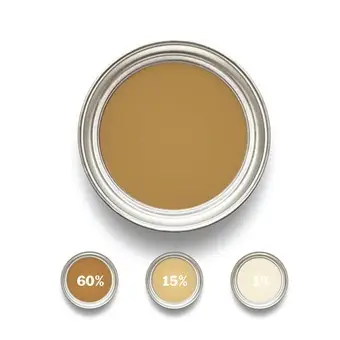
Linseed oil paint Green Umbra 30%

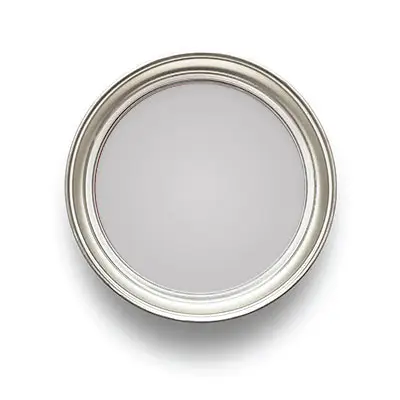
Light limestone gray color. White broken with 30% Green Umbra.

Nearest NCS S 3502-Y

100% it is dark gray-brown, broken with white it is warm gray. It is available in the following percentages: 2%, 7%, 15%, 30%, 60%.

When you want to paint knots and linings on wooden houses from the 18th to the 20th century, it is good to know that there was a different amount of refraction of the white color in different eras.

The most common was 30% green umber in the 18th century, giving a distinct limestone gray hue. During the 19th century, the fashion lightens and the “white” color often ended up around 15% green umber.

By the turn of the century, however, only light, soft white is the highest fashion, corresponding to 2% green umber.

Since the same colors and the same paint qualities were also painted indoors with roughly the same timetable, our ready-made paints are suitable for both indoors and outdoors. Indoors, this linseed oil paint was used on windows, carpentry, breast panels, doors and more.

ATTENTION! The color reproduction on the screen does not correspond 100% to reality.
Price range: EUR15.46 through EUR117.58

Linseed oil paint Djurgarden green

Djurgårdsgrön is a typical 19th century color named after Djurgården in Stockholm, a part of the capital that has a lot of buildings left from the mid-19th century.

The green color was painted on the facades and for the windows, white was used, broken with about 10 percent green umber (so-called Stockholm white).

The color is also very common as a window color and the opposite relationship is at least as common; Stockholm white facade and Stockholm white lining and zoo green window frames.

Nearest NCS S 5020-G10Y

NOTE! The color rendering on the screen does not correspond 100% to reality.
Price range: EUR15.46 through EUR42.55

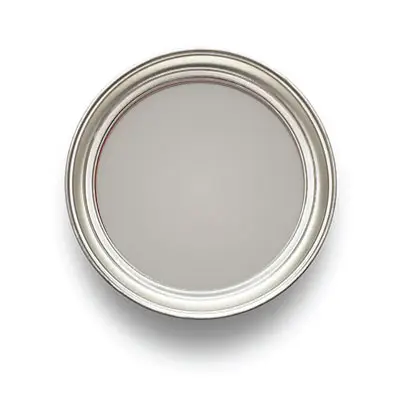
Linseed oil paint Blue gray

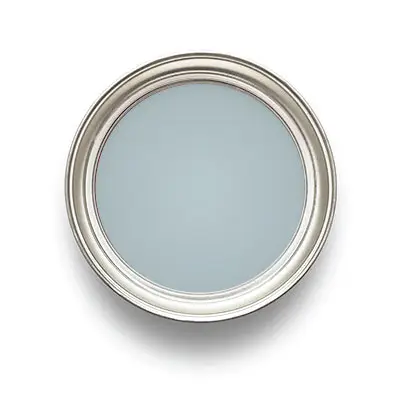
Finished paint in a light blue-gray color. Very common throughout the 19th century and especially during the pearlescent period. The color became especially popular around the turn of the century 1900, as a kitchen paint and generally as a paint for indoor carpentry.

Nearest NCS S 2002-B

ATTENTION! The color reproduction on the screen does not correspond 100% to reality.
Price range: EUR15.46 through EUR42.55

Related articles

There are no related articles for this product.

Please leave a comment what you think about our new webshop

This site is registered on wpml.org as a development site. Switch to a production site key to remove this banner.