[currency_switcher]

SKU: 3091-27-1

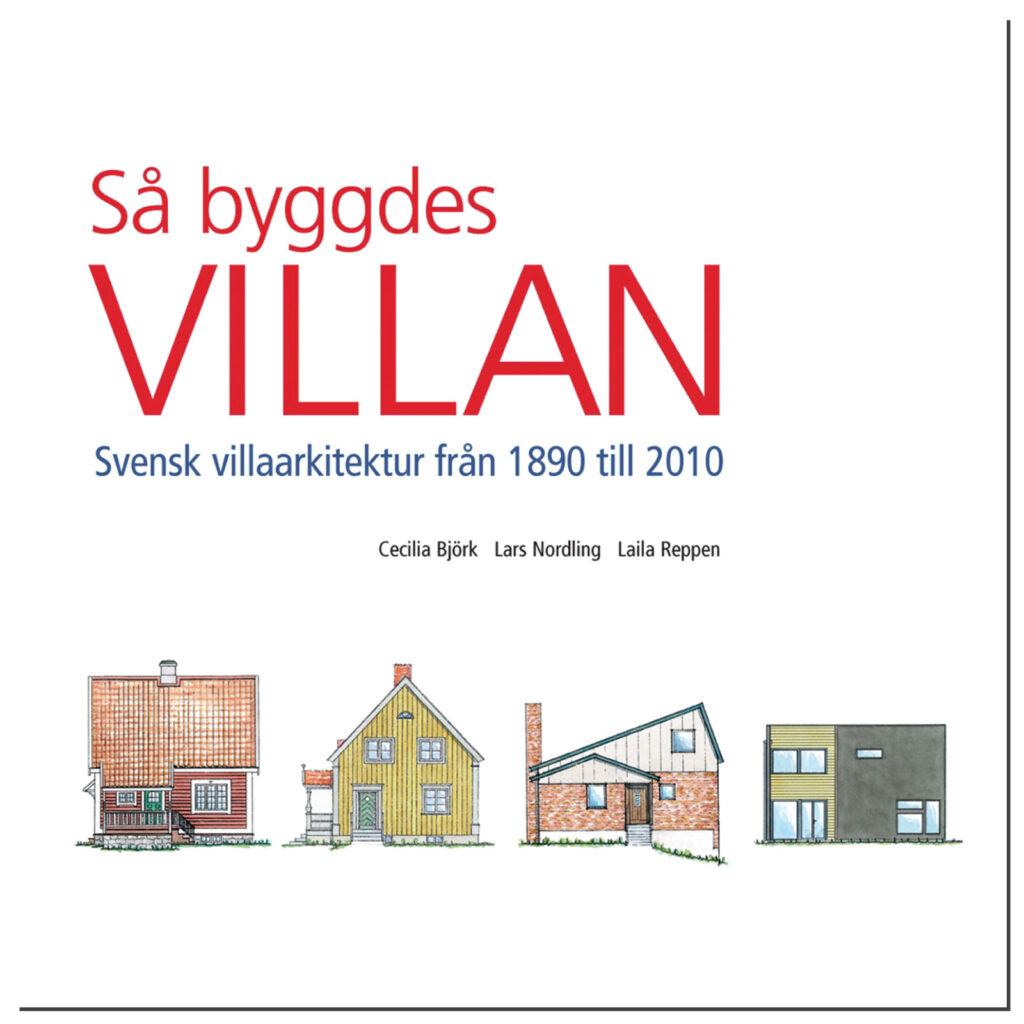
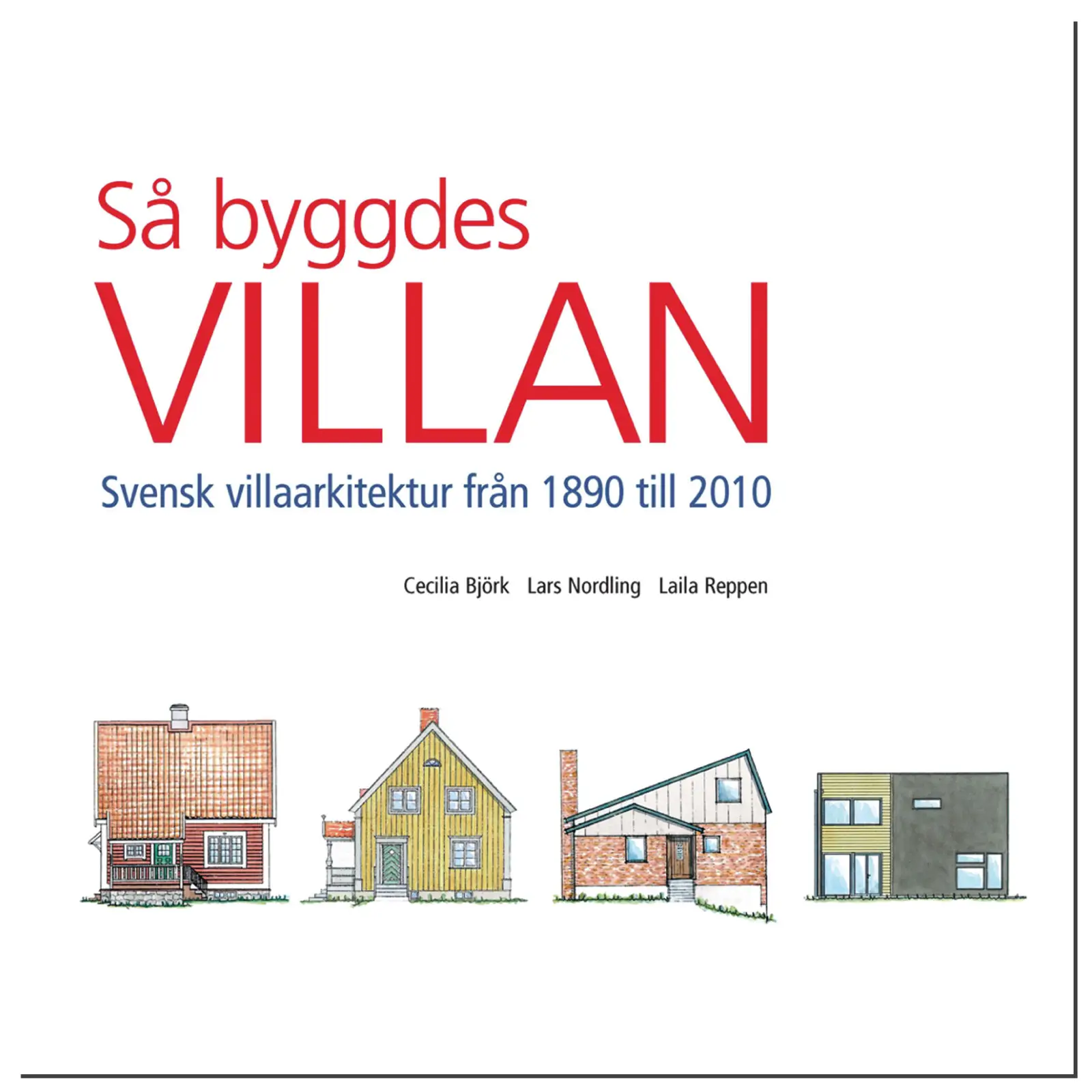
How the villa was built 1890-2010

645 SEK

Available in central stock
Quick facts

Andreas Skatter

Weight 1,65 kg
Författare

Cecilia Björk, Lars Nordling, Laila Reppen

Förlag

Swedish Construction Service

Sidor

336

Så byggdes villan is a unique exposé of a significant part of our cultural heritage – the everyday architecture of villa construction in Sweden. The book shows typical villas and characteristic building details decade by decade, from the first villas built in the 1890s to villas built in the first decade of the 2000s. Style ideals have varied over different time periods. Architecture, floor plans, structures and interiors have changed with the times. The general features of this development are shown here through a variety of new accurate illustrations in scale. Each villa has its own history and its own conditions. For the homeowner who wants to renovate his house with period carpentry, there is a drawing section with carpentry and building details, such as floor plinths, window linings and ceiling moldings.
Author: Cecilia Björk. Lars Nordling. Laila Reppen. Publisher: Svensk Byggtjänst. Pages 336

Description

Så byggdes villan is a unique exposé of a significant part of our cultural heritage – the everyday architecture of villa construction in Sweden. The book shows typical villas and characteristic building details decade by decade, from the first villas built in the 1890s to villas built in the first decade of the 2000s. Style ideals have varied over different time periods. Architecture, floor plans, structures and interiors have changed with the times. The general features of this development are shown here through a variety of new accurate illustrations in scale. Each villa has its own history and its own conditions. For the homeowner who wants to renovate his house with period carpentry, there is a drawing section with carpentry and building details, such as floor plinths, window linings and ceiling moldings.

Andreas Skatter

Weight 1,65 kg
Författare

Cecilia Björk, Lars Nordling, Laila Reppen

Förlag

Swedish Construction Service

Sidor

336

Reviews

There are no reviews yet

Be the first to review “How the villa was built 1890-2010”

Your email address will not be published. Required fields are marked *

You may also need to

Related products

Painted floors

“Painted Floors” is the fifth book in the “Building Care in Practice” series.

It covers all kinds of wooden floors, both indoor and outdoor. From barn floors to checkered 18th century floors and solid colored floors from the 19th and 20th centuries.

The last floor among the book’s examples was painted just a few years ago. A living tradition, then! The book is practically organized and above all intended to serve as a solid instruction for those who want to paint themselves.

Richly illustrated with scale models, color recipes and other tips. The visual material consists of photos, drawings and watercolors.

285 SEK

Handbook for stenciling

The Painting Workshop works on renovating old paintings, repainting using old techniques and developing new products inspired by the traditional painting of the Hälsingland farms. The Painting Workshop holds lectures and workshops on painting at the World Heritage Farms in Hälsingland.

Anna-Carin Åsbrink has been working with old painting techniques for over 40 years and shares here the many skills in stencil painting she has accumulated over the years.

The 24-page booklet describes stenciling on walls, borders and blinds. Includes tips on tools, techniques and color mixing of egg oil tempera. It also describes paintings from Hälsingland, which at the same time is universal for all stencil painting.

290 SEK

Exterior renovation

“Exterior Renovation” is the third book in the series – Building Maintenance in Practice.

All stages of an exterior renovation are described in detail. Roofs, chimneys, walls, windows, doors, foundations, extensions, lighting and more are covered, based on old Swedish building traditions. The traditional materials and craft methods are presented.

It also shows the ways to restore the exterior of an old house, but also appropriate solutions for how to raise the technical standard of a house, without doing violence to the cultural-historical value.

320 SEK

Building maintenance

How to get the time, advice and power to restore your home.

Join architectural historian Erika Åberg on her own house journey. Here she shares her experiences and best advice – from planning and strategies to practical projects. An old house or apartment with historical soul and atmosphere is a dream for many. A comfortable family life in a charming home with modern features, sound materials and beautiful details. But everyday life in an older building also means that there is always something to repair, replace or beautify.

Erika Åberg and her husband have been restoring their farm from scratch, inside and out, for just over a decade, and living family life with two young children in the meantime. How do you find the time, advice and energy?

In this book, she describes in ten chapters ten basic ways of thinking about building conservation and restoration. It covers everything from approaches to practical step-by-step moments.

The book shows you how to restore in a way that is sustainable; for the home, for the environment and for you and your family.

339 SEK

Cinder blocks and cinder houses

Houses made of slag – many have never seen them, others stand in awe of the slag bricks that shimmer in blue, green, gray and even change color with the light. Intriguing structures, tiny lumps of iron, charcoal striations – what can’t you find when you take a closer look at the building material? What is it, many people ask today. When were the houses built? Why was cinder block made?

Slagstone is our first artificial building stone, used in ore fields as an alternative to building timber. The forest was needed for the production of charcoal, the fuel for smelting ore and the extraction of copper and iron. The metals were exported, bringing income to Sweden and raising people’s standard of living. Slag was a by-product of metal production. The metals have been sold around the world, the workplaces are closed down and gone – but the slag remains and tells us – about ores and technological development, about heavy manual labor and skilled craftsmanship. No two cinder blocks are the same. Never again can one be made.

DESCRIPTION The book aims to raise awareness of the buildings. The oldest ones date from the 18th century, the youngest from the early 20th century. They are churches or cellars and everything in between. The pictures aim to show how amazing the buildings are and the text provides information about their background, construction and care. The hope is that people will be inspired to take pride in the slag houses and care for these unique buildings, made from a material that is irreplaceable today.

TIP Don’t forget to take a look at our beautiful Bagarstuga in Gysinge, which is built of cinder block.

395 SEK

The custodian’s library

Byggnadsvårdarens bibliotek is a collection of Gysinge’s own useful book series – Byggnadsvård i praktiken. Written by Göran Gudmundsson, one of the enthusiasts and founders of Gysinge Center for Building Conservation. Cardboard box in matte paper.

The books are invaluable for anyone who owns or has recently bought an old house that needs looking after. They provide in-depth practical tips, advice on construction, style eras, restoration and approaches to building care for the different areas indicated by the books’ titles:

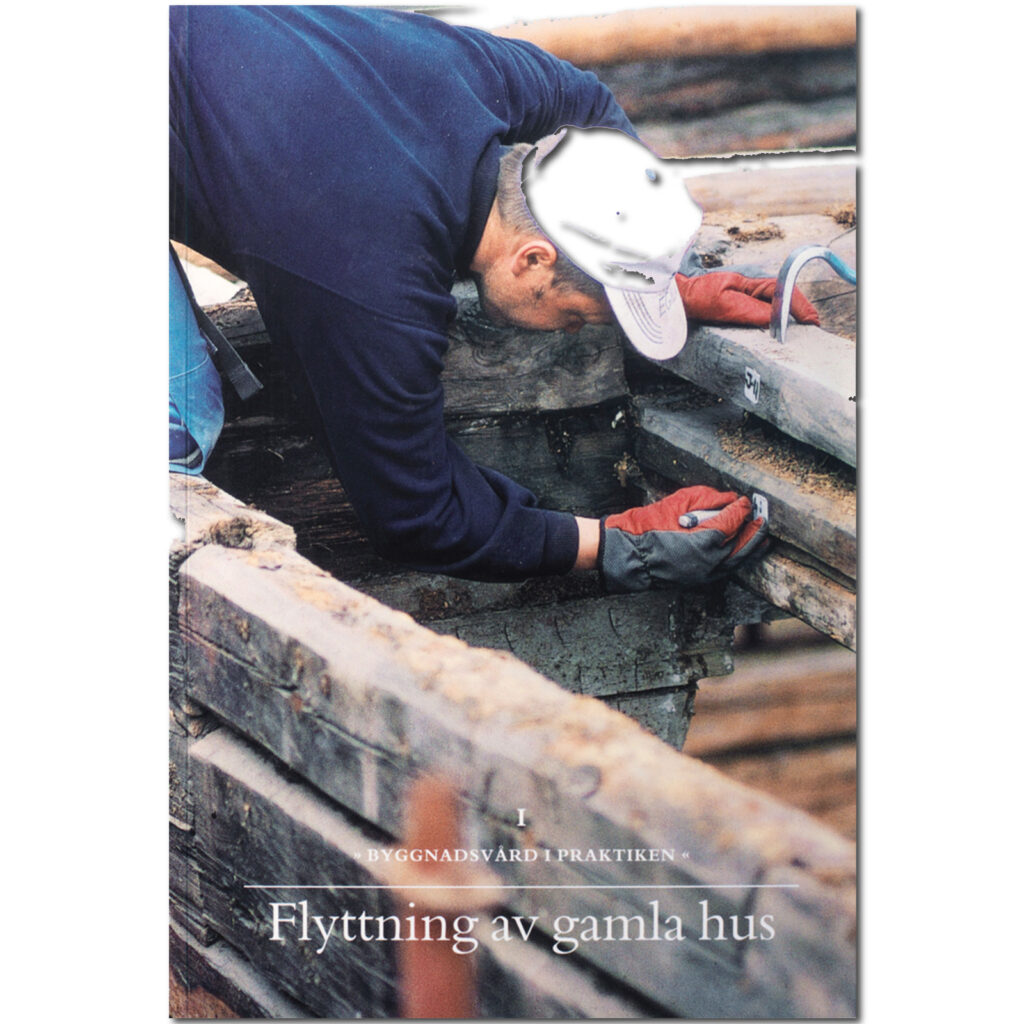
Relocation of old houses

The heat in old houses

Exterior renovation

Interior renovation

Painted floors

The books can also be purchased separately, but the package price for the collected books is significantly cheaper.

1.195 SEK

Related articles

There are no related articles for this product.

Please leave a comment what you think about our new webshop