SKU: 3091-59

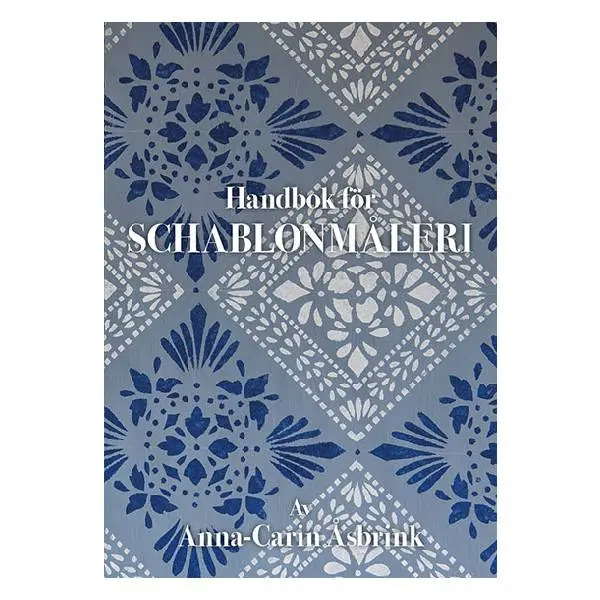
Handbook for stenciling

EUR26.54

Available in central stock
Quick facts

Additional Information

Weight0.15 kg
Sidor

24

Author

Anna-Carin Ã…sbrink

Format

Paperback

The Painting Workshop works on renovating old paintings, repainting using old techniques and developing new products inspired by the traditional painting of the Hälsingland farms. The Painting Workshop holds lectures and workshops on painting at the World Heritage Farms in Hälsingland.

Anna-Carin Ã…sbrink has been working with old painting techniques for over 40 years and shares here the many skills in stencil painting she has accumulated over the years.

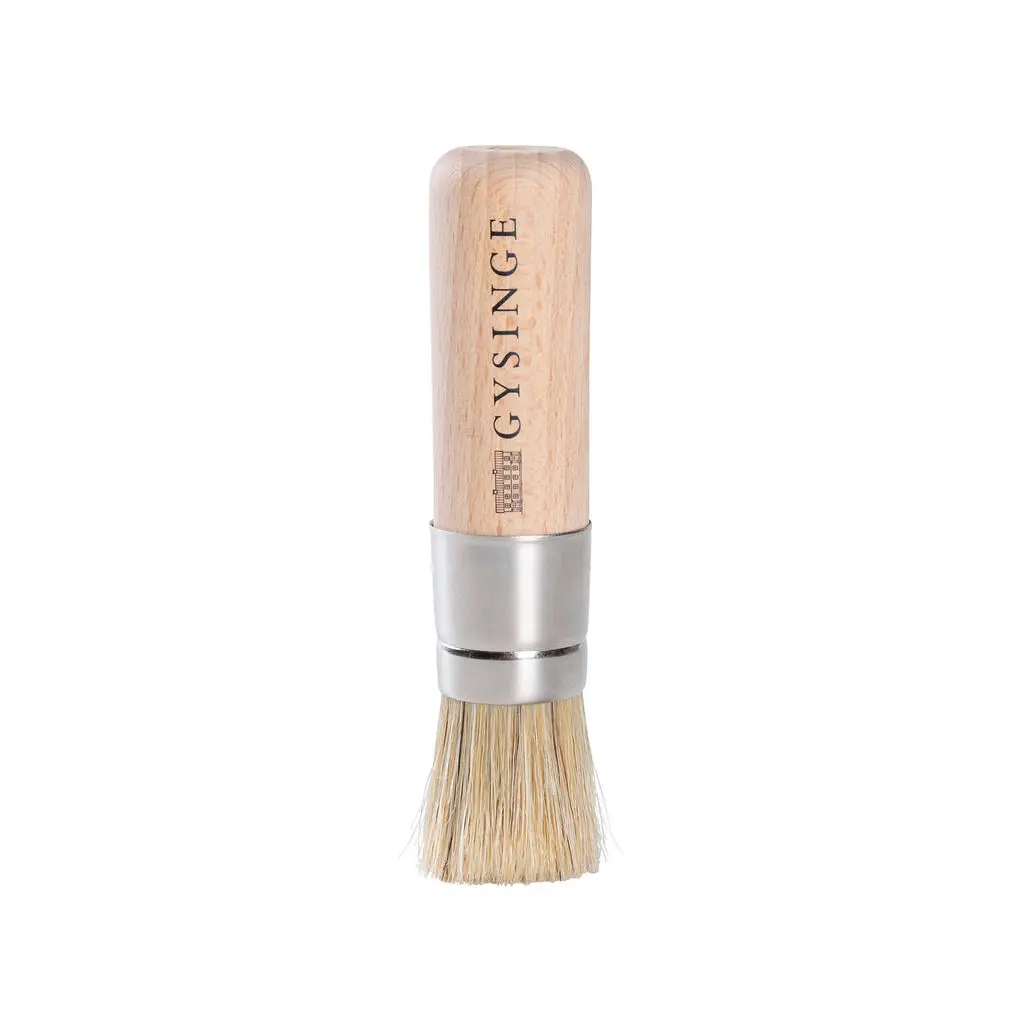
The 24-page booklet describes stenciling on walls, borders and blinds. Includes tips on tools, techniques and color mixing of egg oil tempera. It also describes paintings from Hälsingland, which at the same time is universal for all stencil painting.
Description

The Painting Workshop works on renovating old paintings, repainting using old techniques and developing new products inspired by the traditional painting of the Hälsingland farms. The Painting Workshop holds lectures and workshops on painting at the World Heritage Farms in Hälsingland.

Anna-Carin Ã…sbrink has been working with old painting techniques for over 40 years and shares here the many skills in stencil painting she has accumulated over the years.

The 24-page booklet describes stenciling on walls, borders and blinds. Includes tips on tools, techniques and color mixing of egg oil tempera. It also describes paintings from Hälsingland, which at the same time is universal for all stencil painting.
Additional Information

Weight0.15 kg
Sidor

24

Author

Anna-Carin Ã…sbrink

Format

Paperback

Reviews

There are no reviews yet

Be the first to review “Handbook for stenciling”

Your email address will not be published. Required fields are marked *

Related products

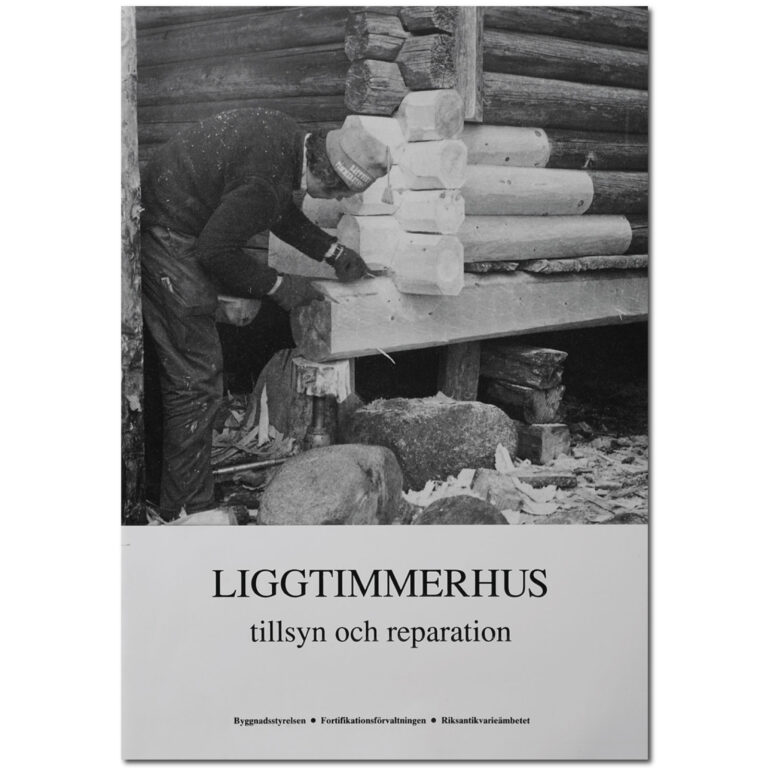
Log house, writing

Supervision and repair. No building type has such historical roots as the log house. It has been a house for both the common man and the gentry and has come to characterize our older building environment to a great extent.

The report shows how log houses can be cared for and repaired to preserve their heritage value. The key is careful supervision and repairs that are adapted to the authentic log technique.

The report is written for both property owners and construction professionals. Richly illustrated.

EUR16.01

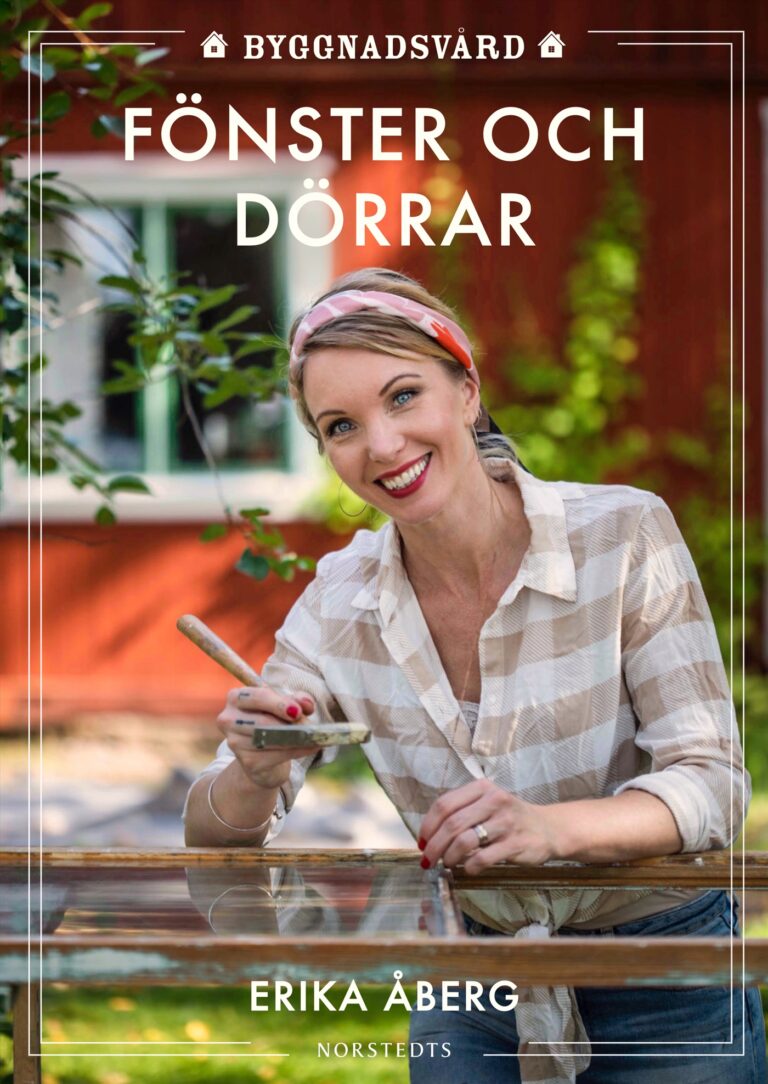
Windows and doors

In this book, architectural antiquarian Erika Ã…berg shows you how to maintain, renovate and make creative reuse projects with old windows and doors.

“Windows are the soul of the house” has become almost a proverb in the building industry. What does it really mean? What are the significance and qualities of old windows? And what about doors? Here, Erika Ã…berg talks about design and stylistic approaches through the ages, different types of glass, function – or the lack of it – and the challenges of keeping the heat in and the cold out.

The timber used for windows and doors in the past was the best available, of a quality that is hard to find today. If cared for properly, it can last for hundreds of years. Here you will learn about restoration of varying degrees of difficulty, from first aid to full restoration.

With smart techniques and solutions, you can get windows and doors that are beautiful and fit your house. It goes without saying that preserving is more environmentally friendly than buying new. Here is an example of an orangery built with recycled windows.

Erika Ã…berg tells you in text and pictures how you can take care of and enjoy your old windows and doors for a long time to come.

EUR24.61

Period kitchens & bathrooms 1880-2000

The book provides an illustrative picture of the standard and style development of kitchens and bathrooms in Sweden’s apartment buildings and detached houses. The design and equipment of kitchens and bathrooms follow the spirit of the times through the decades, both technically and functionally. At the same time, history bears clear traces of how the view of housework and life in the home has changed over time.

The story begins in the 1880s, when many cities are growing rapidly in the wake of industrialization. There is a housing shortage and economic conditions are tight. Homes are heated by tiled stoves or fireplaces, food is cooked on wood stoves and there are dry toilets in the yard. 120 years later, in 2000, when the story ends, high standards in kitchens and bathrooms are a matter of course. New trends follow one another and many kitchens and bathrooms are torn out and rebuilt, long before it is technically necessary.

Increased knowledge of period interiors is a valuable basis for conservation, renovation and remodeling. Inspiration can be drawn from the floor plans, kitchen layouts and furnishings of different periods.

Cecilia Björk architect SAR/MSA and Laila Reppen architect SAR/MSA are authors and illustrators of books such as SÃ¥ byggdes husen 1880-2000, SÃ¥ byggdes staden, SÃ¥ byggdes villan and Tidstypiskt. Gustav Bergström, “Rävjägaren”, is a civil engineer as well as a writer and opinion leader in architecture and building conservation.

The book is nominated for Book of the Year 2020.

EUR36.14

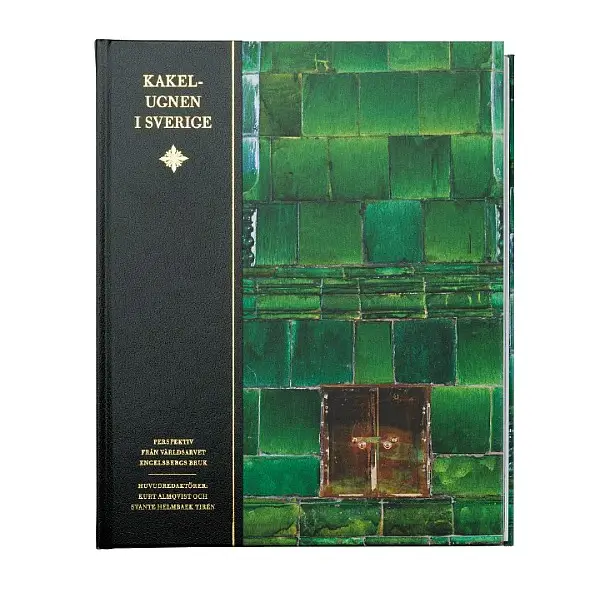
The tiled stove in Sweden

The tiled stove in Sweden – part two in the series Perspectives from the Engelsberg World Heritage Site.

Until the beginning of the 20th century, the tiled stove remained by far the most important source of heat in Swedish homes. Both the technology and the aesthetics were refined, even though the same basic principle is still used today in tiled stove installations. Today, the tiled stove is an important example of the Enlightenment’s work with technology, science and craftsmanship.

In 1767, the architect and superintendent Carl Johan Cronstedt presented a memorial entitled “Beskrifning pÃ¥ Ny Inrättning af Kakelugnar til Weds Besparing för Rikets rÃ¥d”. It described a revolutionary construction that would change Swedish architecture and housekeeping for the next hundred and fifty years: the modern tiled stove.

The anthology is part of the series Perspectives from the Engelsberg Mill World Heritage Site. Previously published titles in the series are Tapeter genom tiderna. Future titles will also include Gardens during the age of the mills.

The editors-in-chief are Kurt Almqvist and Svante Helmbaek Tirén.

EUR36.14

Colors of the Garden City

The Colors of the Garden City explains what is special about the centuries-old cultural environments of Bromma and other garden cities in Sweden. What is it that makes the garden city such an attractive form of living even for modern people? What gives character to the urban plan and to buildings and gardens from eras with different stylistic ideals? Learn the differences between the National Romanticism of the 1910s, the Neoclassicism of the 1920s and the Functionalism of the 1930s.

The authors began their mapping of garden cities in Sweden as early as the 1980s, by producing material with color schemes and character descriptions for typical houses of the time. Parts of the material are now in a permanent exhibition in MÃ¥leributiken in Alvik and have been shown at the City Museum 2013-2015.

The purpose of the book is to draw attention to the unique cultural values of the garden city for all of us and at the same time inspire you as a homeowner to learn more about architecture and coloring. A cultural environment needs to be protected and your house needs continuous care and attention. When repairing and renovating your house – make sure you do not damage the house due to ignorance.

EUR40.72

Landtmann buildings

Agricultural architect Charles Emil Löfvenskiöld (1810-1888) dreamed of reforming the Swedish countryside. A new architecture characterized by both beauty and rationality would combat poverty and misery. Bright, spacious and well-planned houses for both humans and animals were the basis for a humane and prosperous society. Only when the practical was also beautiful was it truly functional.

The purpose of the publication Landtmannabyggnader, hufvudsakligen för mindre jordbruk from 1868 was to disseminate the new findings in affordable and educational booklets with clear drawings and explanatory texts. Today, the work is an architectural classic that has had a major impact on Swedish building culture.

This reproduction is supplemented by an appendix with drawings by Löfvenskiöld’s pupil and longtime collaborator Pehr August Pettersson (1841-1906). They were originally published in his Landtmannabyggnader: ritningar för alla omrÃ¥den inom landthushÃ¥llningen from 1891, a sequel and tribute to Löfvenskiöld’s classic work.

EUR49.87

Related articles

There are no related articles for this product.

Handbook for stenciling

The Painting Workshop works on renovating old paintings, repainting using old techniques and developing new products inspired by the traditional painting of the Hälsingland farms. The Painting Workshop holds lectures and workshops on painting at the World Heritage Farms in Hälsingland.

Anna-Carin Ã…sbrink has been working with old painting techniques for over 40 years and shares here the many skills in stencil painting she has accumulated over the years.

The 24-page booklet describes stenciling on walls, borders and blinds. Includes tips on tools, techniques and color mixing of egg oil tempera. It also describes paintings from Hälsingland, which at the same time is universal for all stencil painting.
Please leave a comment what you think about our new webshop

This site is registered on wpml.org as a development site. Switch to a production site key to remove this banner.