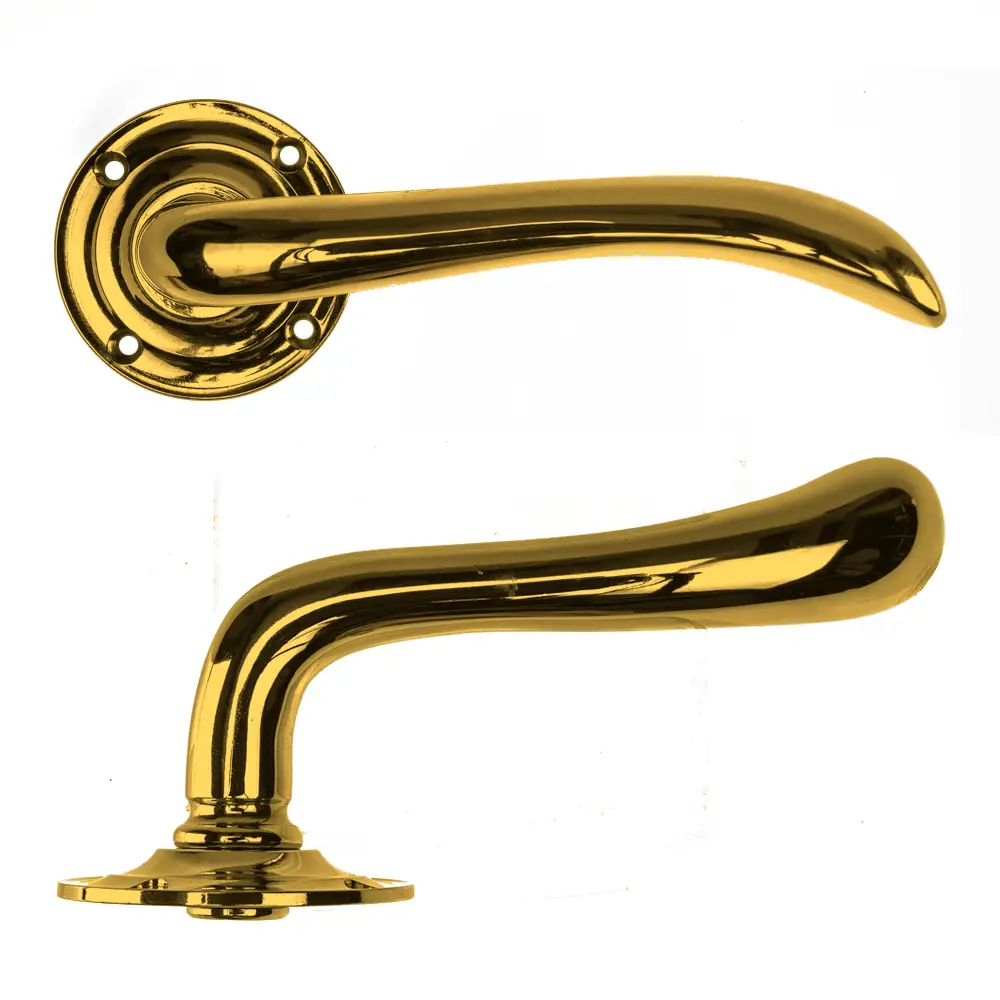
SKU: 5557010001
995 SEK
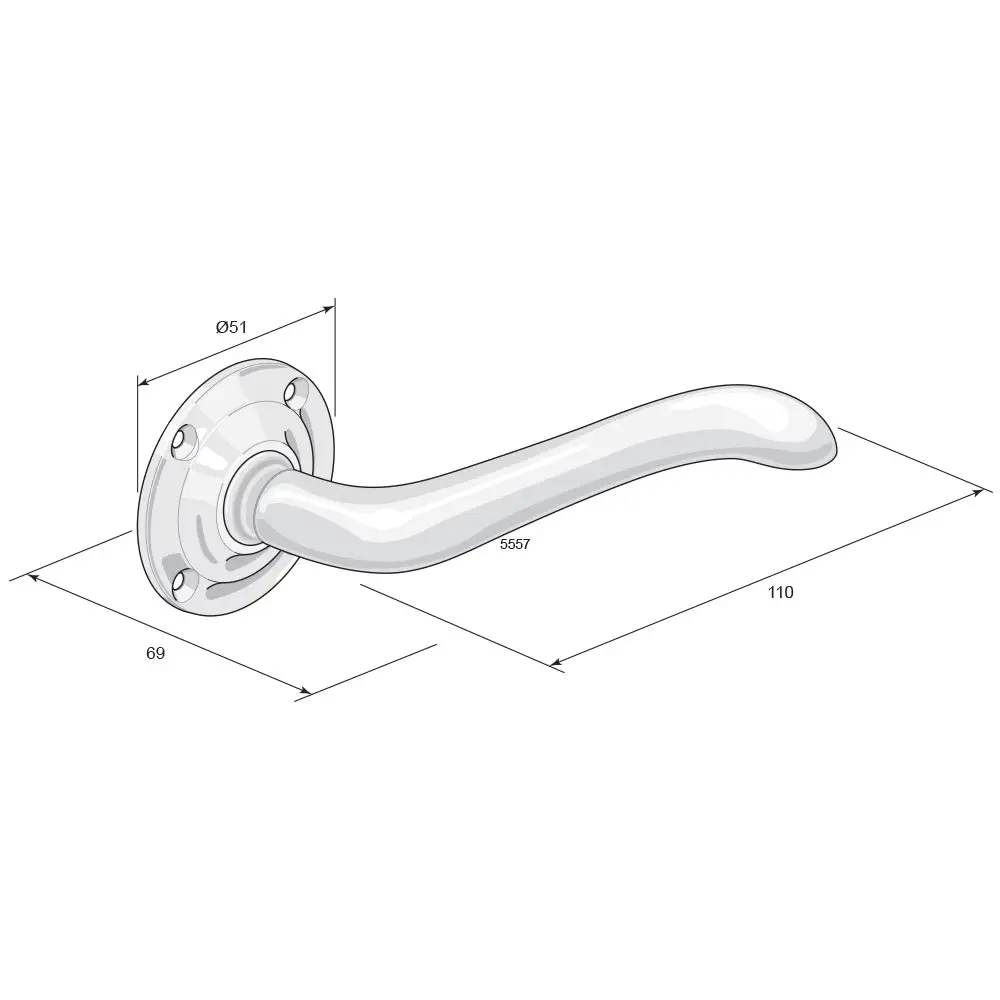
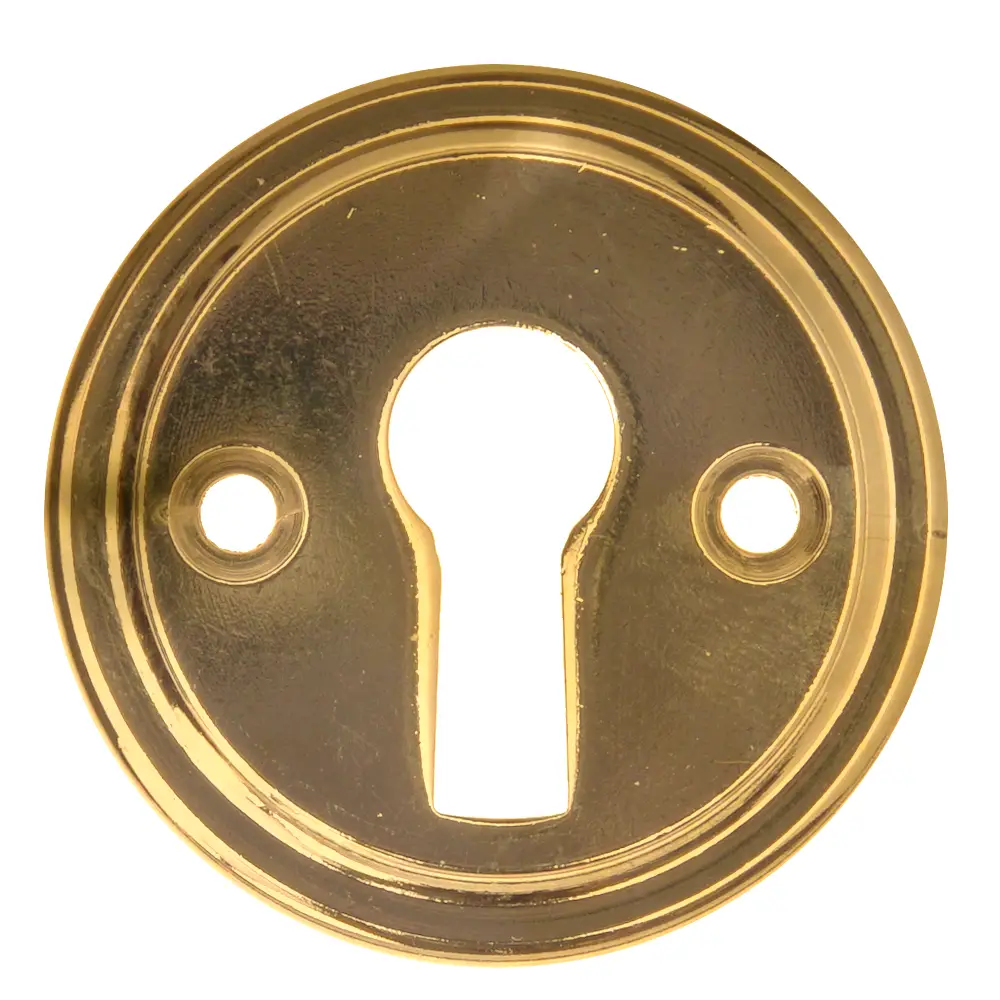
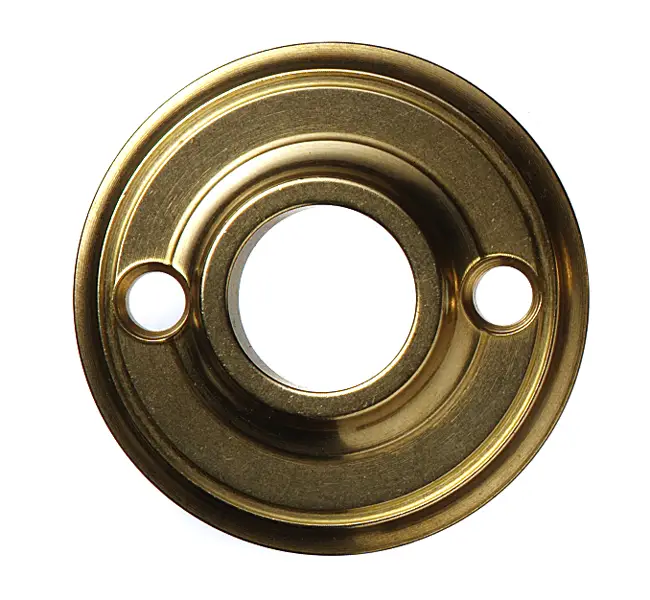
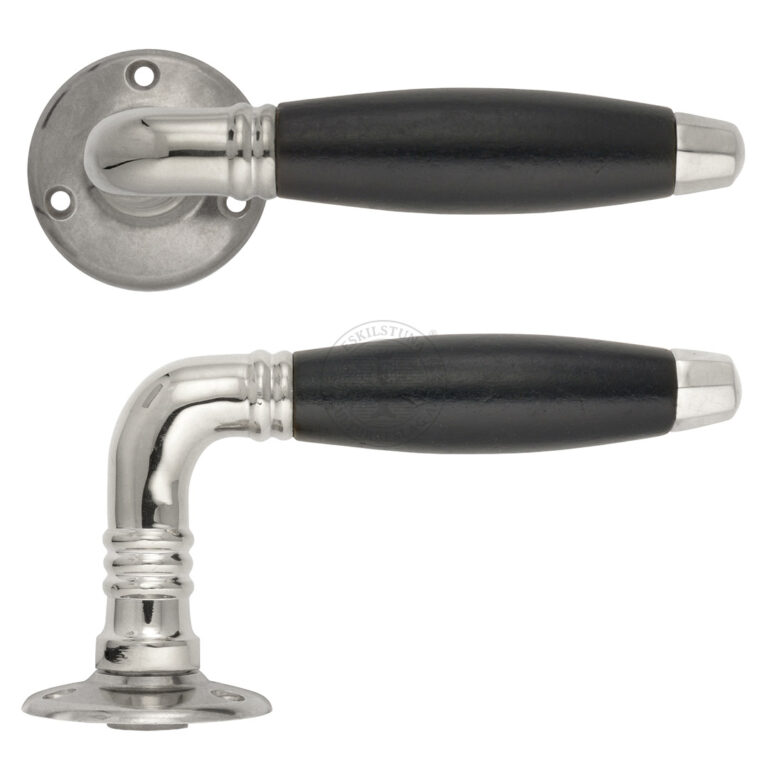
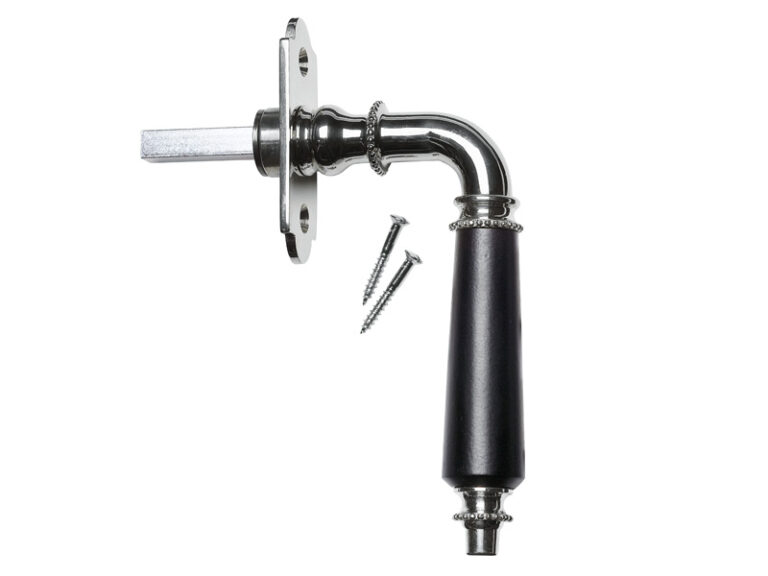
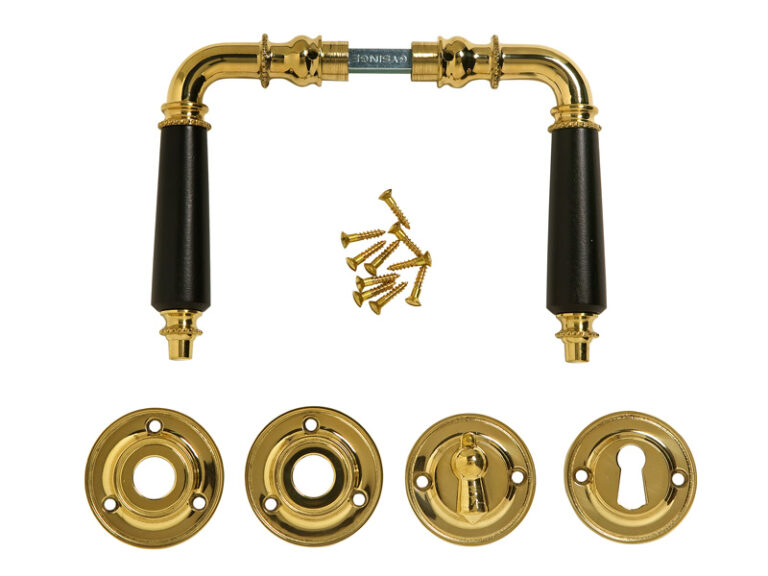
Model Låsbolaget No. 647 large
Time period 1905-1930
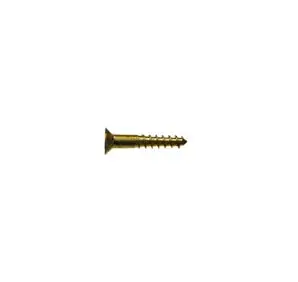
Screw not included.
Suitable screw number 6 or 7
There are no reviews yet.
Your email address will not be published. Required fields are marked *
Your review *
Name *
Email *
Save my name, email, and website in this browser for the next time I comment.
4 SEK
35 SEK
135 SEK
Sleeve to equalize the difference between an 8 mm rod and a 9 mm hole.
20 SEK
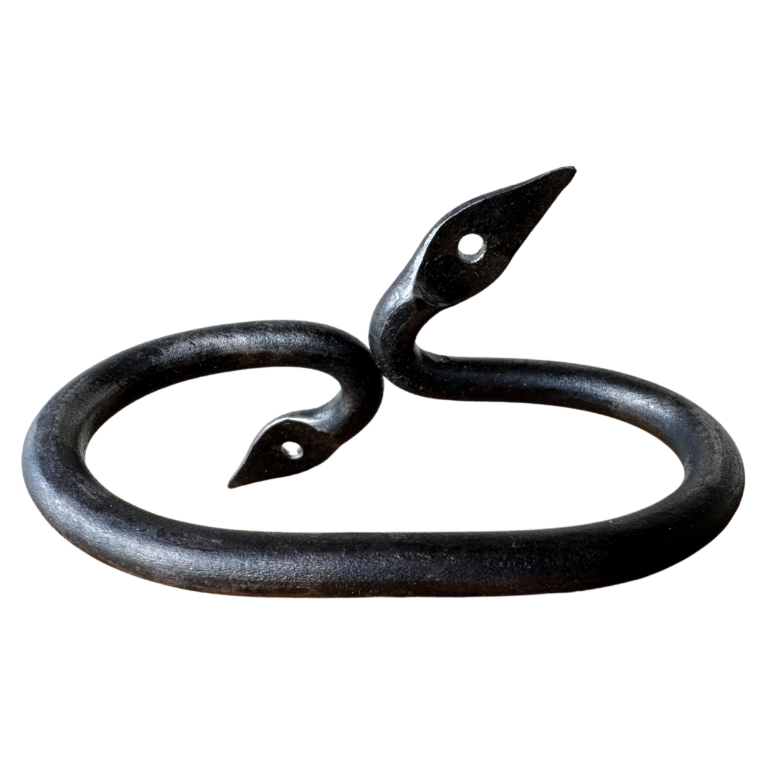
Door and gate handle, early 19th century. Hand forged linseed oil burned iron in the shape of a snake. Originally from a farm in Åsgarn, southern Dalarna. Mounted with two hand-forged nails in each bracket. Can be placed horizontally or vertically.
695 SEK
Turned door knob of a model common on front doors mainly during the early 19th century. Primarily intended as a knob for double doors and front doors. Untreated iron, which does not need anti-corrosion treatment. The iron rusts the first time and then automatically gets a protective dark surface. Matching rosettes and key plates in iron are available for the knob.
785 SEK
Model Lock company No 659
Time period 1930-1940
Rosettes are included.
Matching screw number 19
810 SEK
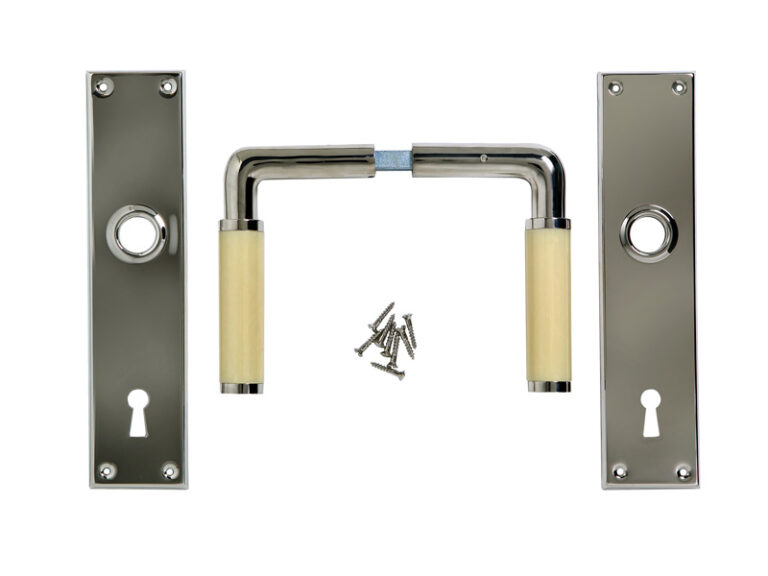
The 1930s was the breakthrough year for functional design in Sweden. A quest for simple and functional forms, honest and clear materials and, not least, simplified mass production paved the way for a whole range of new building materials.
On the fittings side, especially the door fittings changed. Nickel-plated surfaces were used instead of brass, which had to be polished to keep its shine. The handles were now made of easy-to-clean bakelite instead of wood. And the new long plates combined the two functions of rosette and key plate in a single plate.
In addition, the door locks were standardized so that all the prints fit all the locks and all long plates were made with the same distance between the print and the hole for the key.
875 SEK
Reviews
There are no reviews yet.