SKU: 4201

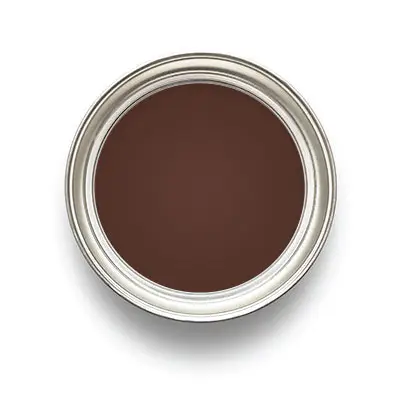
Linseed oil paint Burnt Terra

Price range: EUR1.10 through EUR42.55

Make a choise
Quick facts

Additional Information

WeightN/A
Break

1%, 7%, 15%, 30%, 60%, 100%

Size

0,2 l, 0,25 l, 1 l

Color

Brown

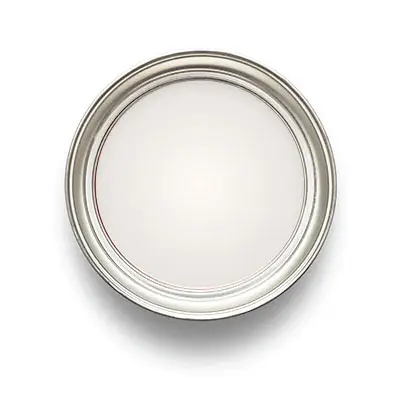
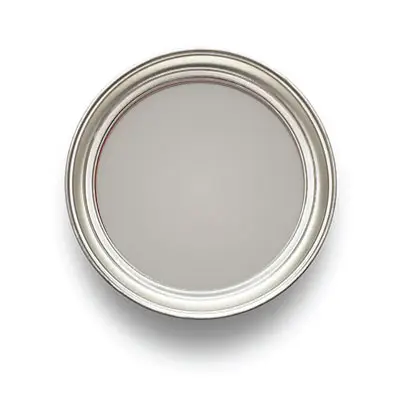
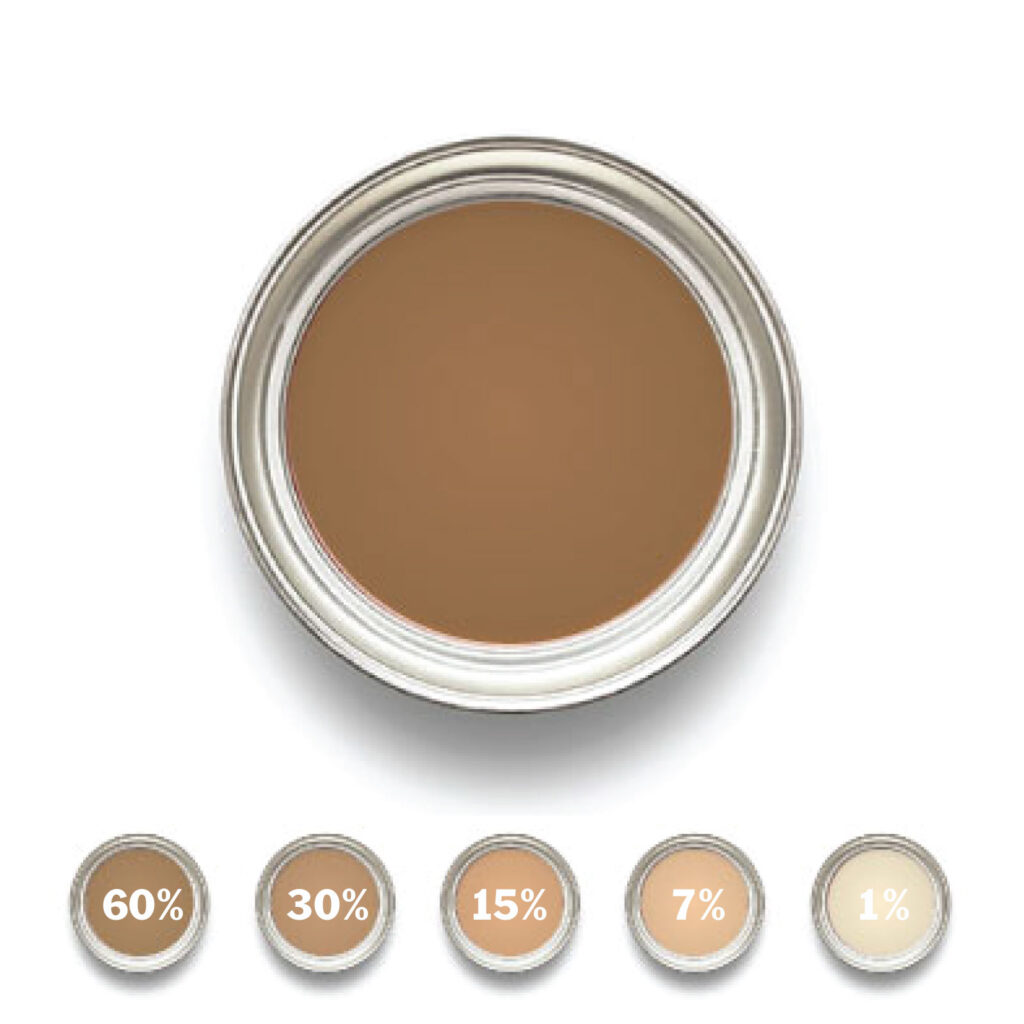
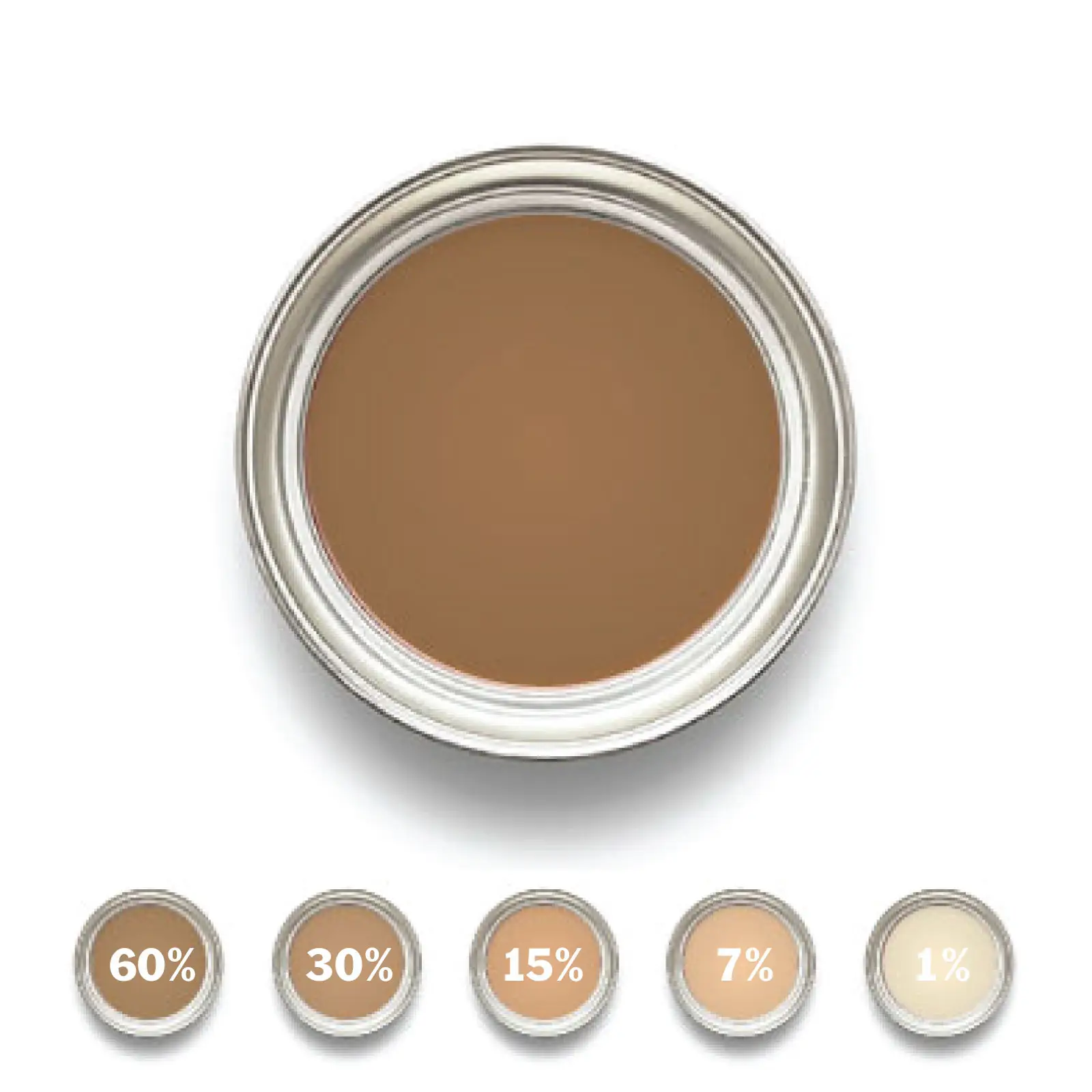
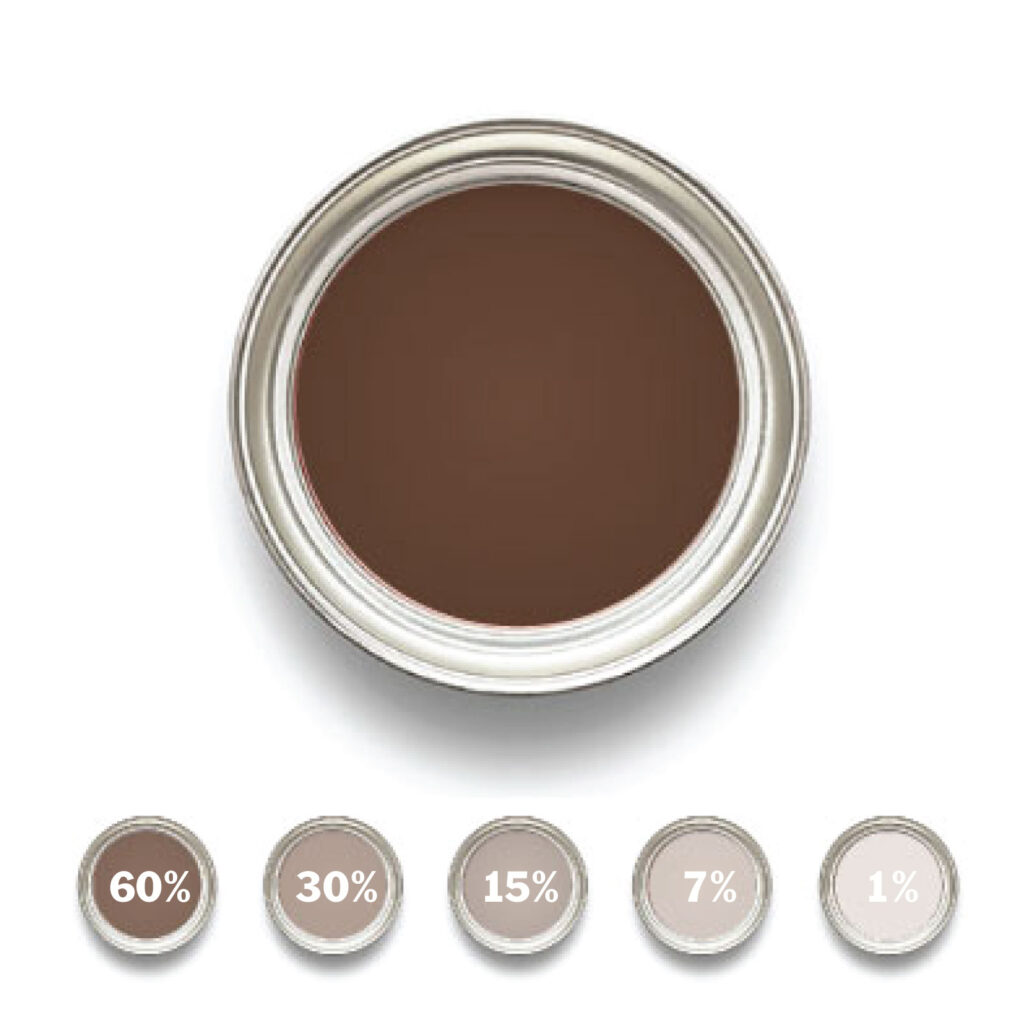
Brown color that is rarely used 100%, but a classic in breaks with white. Together with white, it gives an old pink color, without a tendency towards sharp edges.

Pink is a common accent, both indoors and outdoors, especially in the 18th and 19th centuries.

Sample jars with ready-to-use refractions in 1%, 7%, 15%, 30%, and 60%

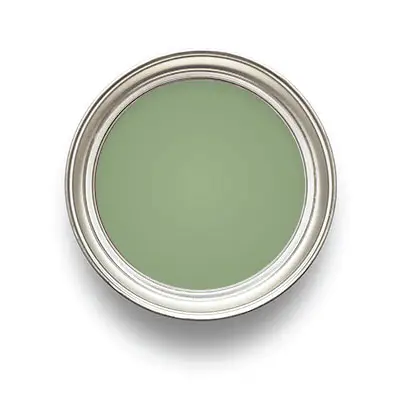
ATTENTION! The color reproduction on the screen is not 100% accurate.
Content: Boiled, cold-pressed linseed oil. Pigment.

Features: Completely solvent-free. Easy to renew and maintain. Thin and lightweight. very thick Good hiding power. Excellent color fastness. Good adhesion. Penetrates deeply into the substrate.

Intended for: Outdoors on wood, sheet metal and iron. Excellent also on top of old linseed oil paint. Indoors on wood, plaster, iron, etc. Suitable for both dry and damp areas.

Gloss: Shiny as freshly painted, but goes down to semi-matt after a few months. Can be matted faster by adding solvent in the last coat.

Thinner: Can be thinned with boiled linseed oil and/or turpentine. If you want to avoid thinners completely, just spread the paint thinner.

Linseed oil: Linseed oil is of the highest quality, produced in unbroken tradition in the same factory since 1839. The cold-pressed linseed oil is boiled according to tradition to minimize mold growth.

Painting instructions: Follow the instructions on the can or read our article in Building Care – Do it yourself at the top of the page.

Description

Brown color that is rarely used 100%, but a classic in breaks with white. Together with white, it gives an old pink color, without a tendency towards sharp edges.

Pink is a common accent, both indoors and outdoors, especially in the 18th and 19th centuries.

Sample jars with ready-to-use refractions in 1%, 7%, 15%, 30%, and 60%

ATTENTION! The color reproduction on the screen is not 100% accurate.
Additional Information

WeightN/A
Break

1%, 7%, 15%, 30%, 60%, 100%

Size

0,2 l, 0,25 l, 1 l

Color

Brown

Reviews

There are no reviews yet

Be the first to review “Linseed oil paint Burnt Terra”

Your email address will not be published. Required fields are marked *

Dokument

Painting instruction
Safety data sheet

Painting process – Instructions can be found in our article Painting with linseed oil paint

You may also need to

Price range: EUR15.46 through EUR117.58

Add to Cart This product has multiple variants. The options may be chosen on the product page

Price range: EUR12.72 through EUR42.55

Add to Cart This product has multiple variants. The options may be chosen on the product page

Price range: EUR15.46 through EUR117.58

Add to Cart This product has multiple variants. The options may be chosen on the product page

Price range: EUR15.46 through EUR153.26

Add to Cart This product has multiple variants. The options may be chosen on the product page

Price range: EUR15.46 through EUR117.58

Add to Cart This product has multiple variants. The options may be chosen on the product page

Related products

Linseed oil paint Green Umbra 7%

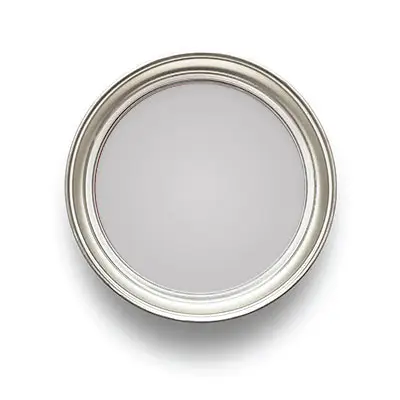
A light warm grayish color. White broken with 7% Green Umbra.

Nearest NCS S 1502-Y

100% it is dark gray-brown, broken with white it is warm gray. It is available in the following percentages: 2%, 7%, 15%, 30%, 60%.

When you want to paint knots and linings on wooden houses from the 18th to the 20th century, it is good to know that there was a different amount of refraction of the white color in different eras.

The most common was 30% green umber in the 18th century, giving a distinct limestone gray hue. During the 19th century, the fashion lightens and the “white” color often ended up around 15% green umber.

By the turn of the century, however, only light, soft white is the highest fashion, corresponding to 2% green umber.

Since the same colors and the same paint qualities were also painted indoors with roughly the same timetable, our ready-made paints are suitable for both indoors and outdoors. Indoors, this linseed oil paint was used on windows, carpentry, breast panels, doors and more.

ATTENTION! The color reproduction on the screen does not correspond 100% to reality.

Price range: EUR15.46 through EUR117.58

Linseed oil paint Jugendgrön

Jugendgrön is a color that was common both externally and internally from the 1890s until the 1930s.

Externally, it is often seen on window frames; internally, it is a very common color on the fixed kitchen furniture and in the kitchen and hallway as a wall color. Jugendgrön is therefore closely associated with beadboard panels in particular, but it was also often used on furniture. As a color, it can be described as a light chrome oxide green, but yellower and at the same time a little brighter green. In interior painting at the beginning of the 20th century, it was often combined with Jugendbeige on linings, windows and doors, but a darker color, about 7-15% unfired umber, is also a common contrast color to Jugendgrön.

Nearest NCS S 3020-G40Y

ATTENTION! The color reproduction on the screen does not correspond 100% to reality.

Price range: EUR15.46 through EUR42.55

Linseed oil paint Green earth

Dark greenish-brown color, reminiscent of green umber but greener. becomes warm gray in breaks with white.

Common window color in the 18th and 19th centuries. The windows at Stockholm Castle are painted in this color. Very effective as window color on red cottages with white linings.

ATTENTION! The color reproduction on the screen does not correspond 100% to reality.

Price range: EUR12.72 through EUR117.58

Linseed oil paint Gray Umbra

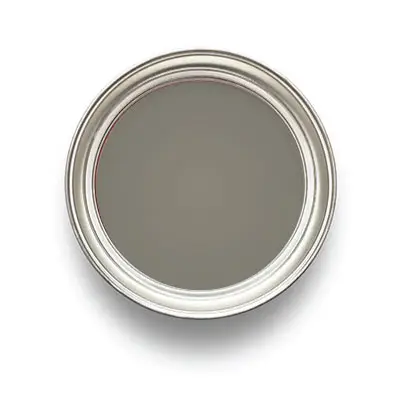
Finished neutral gray linseed oil paint of a shade that does not tend towards green or blue, but is more of the same color as, for example, a Carrara marble. A very common color from the 18th century onwards on all carpentry, both indoors and outdoors.

Nearest NCS S 2005-Y20R

ATTENTION! The color reproduction on the screen does not correspond 100% to reality.

Price range: EUR12.72 through EUR117.58

Linseed oil paint Iron oxide yellow

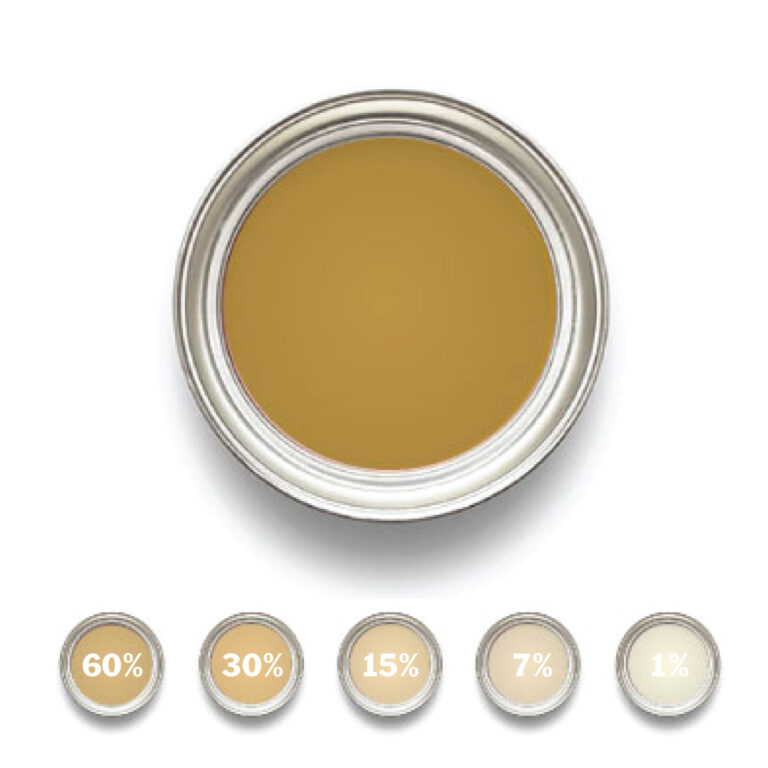
Neutral, saturated yellow color. Mostly used as a breaking color, to turn white color into light yellow.

Sample jars with ready-to-use percentages are available 1%, 7%, 15%, 30%, 60%.

Commonly used as such in wall paint indoors and as carpentry paint outdoors. Does not tend towards pink or apricot when mixed with white, but retains its neutral yellowness.

ATTENTION! The color reproduction on the screen does not correspond 100% to reality.

Price range: EUR12.72 through EUR42.55

Linseed oil paint Green Umbra 60%

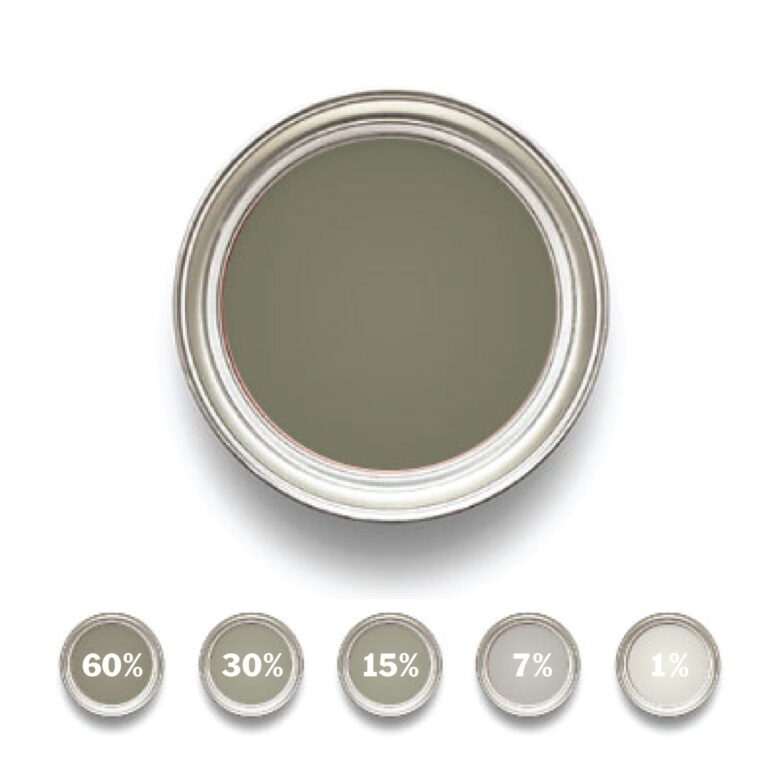
Dark limestone gray color. White broken with 60% Green Umbra.

Nearest NCS S 5005-Y50R

100% it is dark gray-brown, broken with white it is warm gray. It is available in the following percentages: 2%, 7%, 15%, 30%, 60%.

When you want to paint knots and linings on wooden houses from the 18th to the 20th century, it is good to know that there was a different amount of refraction of the white color in different eras.

The most common was 30% green umber in the 18th century, giving a distinct limestone gray hue. During the 19th century, the fashion lightens and the “white” color often ended up around 15% green umber.

By the turn of the century, however, only light, soft white is the highest fashion, corresponding to 2% green umber.

Since the same colors and the same paint qualities were also painted indoors with roughly the same timetable, our ready-made paints are suitable for both indoors and outdoors. Indoors, this linseed oil paint was used on windows, carpentry, breast panels, doors and more.

ATTENTION! The color reproduction on the screen does not correspond 100% to reality.

Price range: EUR15.46 through EUR117.58

Related articles

There are no related articles for this product.

Linseed oil paint Burnt Terra

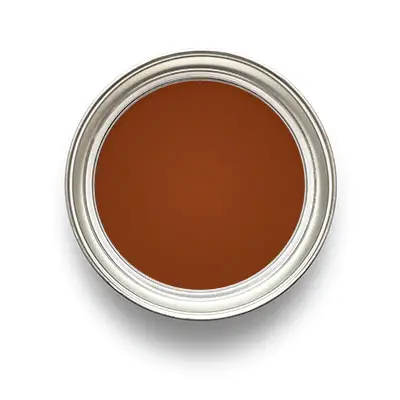
Brown color that is rarely used 100%, but a classic in breaks with white. Together with white, it gives an old pink color, without a tendency towards sharp edges.Pink is a common accent, both indoors and outdoors, especially in the 18th and 19th centuries.Sample jars with ready-to-use refractions in 1%, 7%, 15%, 30%, and 60%ATTENTION! The color reproduction on the screen is not 100% accurate.
Please leave a comment what you think about our new webshop

This site is registered on wpml.org as a development site. Switch to a production site key to remove this banner.