SKU: 3091-63

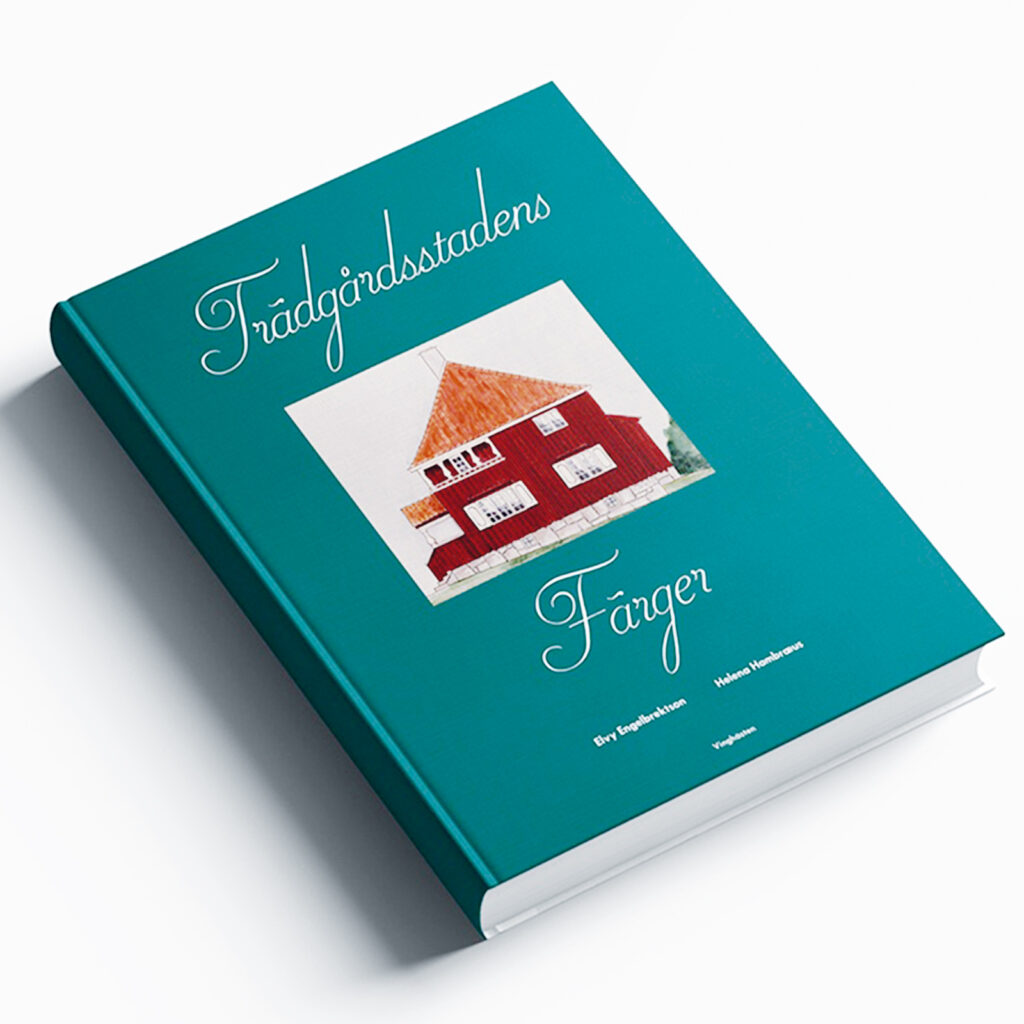
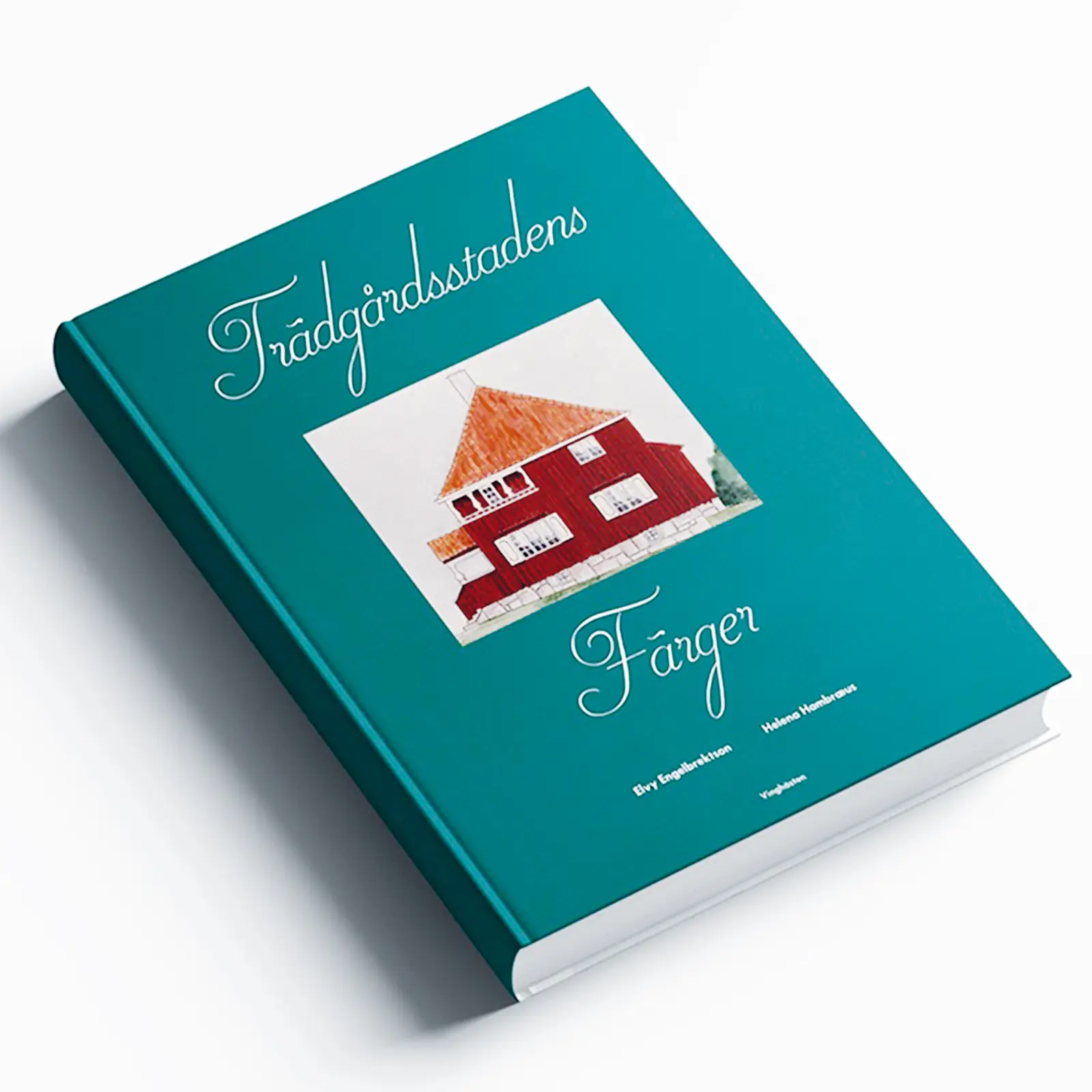
Colors of the Garden City

EUR40.72

Available in central stock
Quick facts

Andreas Skatter

Weight 1.15 kg

The Colors of the Garden City explains what is special about the centuries-old cultural environments of Bromma and other garden cities in Sweden. What is it that makes the garden city such an attractive form of living even for modern people? What gives character to the urban plan and to buildings and gardens from eras with different stylistic ideals? Learn the differences between the National Romanticism of the 1910s, the Neoclassicism of the 1920s and the Functionalism of the 1930s.

The authors began their mapping of garden cities in Sweden as early as the 1980s, by producing material with color schemes and character descriptions for typical houses of the time. Parts of the material are now in a permanent exhibition in Måleributiken in Alvik and have been shown at the City Museum 2013-2015.

The purpose of the book is to draw attention to the unique cultural values of the garden city for all of us and at the same time inspire you as a homeowner to learn more about architecture and coloring. A cultural environment needs to be protected and your house needs continuous care and attention. When repairing and renovating your house – make sure you do not damage the house due to ignorance.
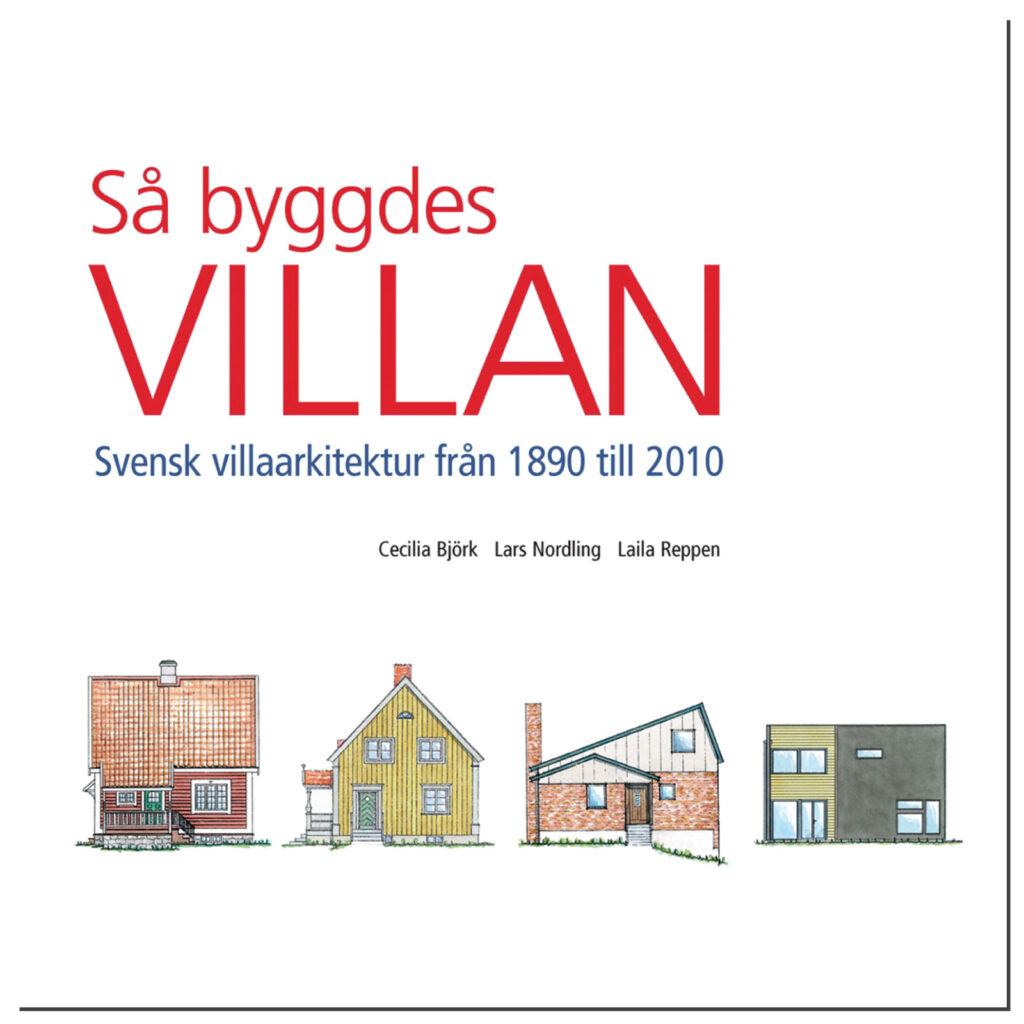
Large format, 22×31 cm. Hardcover in cloth binding.

152 pages. Highest paper quality. Richly illustrated with about 200 pictures. Four-color printing throughout the book.

Historical photos from the pioneer years – previously unpublished!

The authors

Elvy Engelbrektson – artist and color architect. Initiator of the Äppelviken Culture and Environment Group. Garden City Culture Day, Capital of Culture Year 1998 City Museum exhibition Garden City 100 years (2013-2015).

Helena Hambraeus – architect MSA/SAR, initiator of the Äppelviken Culture and Environment Group, Garden City Culture Day, Capital of Culture Year 1998. The City Museum’s exhibition Garden City 100 years (2013-2015).

Description

The Colors of the Garden City explains what is special about the centuries-old cultural environments of Bromma and other garden cities in Sweden. What is it that makes the garden city such an attractive form of living even for modern people? What gives character to the urban plan and to buildings and gardens from eras with different stylistic ideals? Learn the differences between the National Romanticism of the 1910s, the Neoclassicism of the 1920s and the Functionalism of the 1930s.

The authors began their mapping of garden cities in Sweden as early as the 1980s, by producing material with color schemes and character descriptions for typical houses of the time. Parts of the material are now in a permanent exhibition in Måleributiken in Alvik and have been shown at the City Museum 2013-2015.

The purpose of the book is to draw attention to the unique cultural values of the garden city for all of us and at the same time inspire you as a homeowner to learn more about architecture and coloring. A cultural environment needs to be protected and your house needs continuous care and attention. When repairing and renovating your house – make sure you do not damage the house due to ignorance.
Andreas Skatter

Weight 1.15 kg

Reviews

There are no reviews yet

Be the first to review “Colors of the Garden City”

Your email address will not be published. Required fields are marked *

You may also need to

Related products

It’s in the walls

Many of us love old houses, the atmosphere they give you, the secrets and questions they hide and pose: What did the house look like originally? Has it always been here? Who has lived here before me?

Sweden has a unique treasure trove of archived material that can tell us so much about our houses and their inhabitants throughout history. This is by no means limited to castles and manor houses. There is also a lot to tell about our country houses, detached houses, city apartments and suburban villas. You just need to know where to look.

In this book, architectural historian Erika Åberg wants to take us by the hand and tell us how we can find the history of our houses, and how we can best utilize different buildings and their annual rings. She does this by telling inspiring stories, guiding us to different archives and showing us how to best interpret a building, exterior and interior.

There are plenty of in-depth examples from the TV program of the same name, but it’s a book that stands on its own, with solid advice on building styles through the ages, building conservation and restoration tips.

EUR26.44

Handbook for stenciling

The Painting Workshop works on renovating old paintings, repainting using old techniques and developing new products inspired by the traditional painting of the Hälsingland farms. The Painting Workshop holds lectures and workshops on painting at the World Heritage Farms in Hälsingland.

Anna-Carin Åsbrink has been working with old painting techniques for over 40 years and shares here the many skills in stencil painting she has accumulated over the years.

The 24-page booklet describes stenciling on walls, borders and blinds. Includes tips on tools, techniques and color mixing of egg oil tempera. It also describes paintings from Hälsingland, which at the same time is universal for all stencil painting.

EUR26.54

Exterior renovation

“Exterior Renovation” is the third book in the series – Building Maintenance in Practice.

All stages of an exterior renovation are described in detail. Roofs, chimneys, walls, windows, doors, foundations, extensions, lighting and more are covered, based on old Swedish building traditions. The traditional materials and craft methods are presented.

It also shows the ways to restore the exterior of an old house, but also appropriate solutions for how to raise the technical standard of a house, without doing violence to the cultural-historical value.

EUR29.28

Interior renovation

“Interior Renovation” is the fourth book in the series – Building Care in Practice. The book is about the houses inside, why they look the way they do, about the tradition behind it, about the craftsmanship and last but not least about how to renovate so that these qualities do not disappear.

It deals with carpentry profiles, fittings, floors, ceilings and walls, stairs, kitchens and kitchen fittings, sanitary facilities, electricity and lighting in a way that shows that the old is an asset rather than an obstacle when living in the house.

The book, which focuses on houses from the 18th to the 20th century, also shows appropriate compromises, as the old inevitably clashes with the modern.

EUR29.28

Handbook for an old garden

Discover, preserve, recreate. A garden is in a state of constant change. Caring for an old garden is therefore not about freezing a state. Instead, it is about getting to know the garden in order to best preserve its various elements for the future.

In his role as a garden antiquarian, André Strömqvist has extensive experience of older environments and, as a gardener, the necessary practical knowledge.

He describes how we can find clues, interpret what we see and set a level of ambition that works. He guides us through the different parts of the garden in the form of flower beds, hedges, stone paths and fruit trees. He describes how we can go about caring for, restoring and recreating the various parts, and lets history in the form of pioneers of older times, methods and cultural varieties arouse curiosity and inspiration.

Photo: André Strömqvist

EUR31.02

Building maintenance

How to get the time, advice and power to restore your home.

Join architectural historian Erika Åberg on her own house journey. Here she shares her experiences and best advice – from planning and strategies to practical projects. An old house or apartment with historical soul and atmosphere is a dream for many. A comfortable family life in a charming home with modern features, sound materials and beautiful details. But everyday life in an older building also means that there is always something to repair, replace or beautify.

Erika Åberg and her husband have been restoring their farm from scratch, inside and out, for just over a decade, and living family life with two young children in the meantime. How do you find the time, advice and energy?

In this book, she describes in ten chapters ten basic ways of thinking about building conservation and restoration. It covers everything from approaches to practical step-by-step moments.

The book shows you how to restore in a way that is sustainable; for the home, for the environment and for you and your family.

EUR31.02

Related articles

There are no related articles for this product.

Please leave a comment what you think about our new webshop

This site is registered on wpml.org as a development site. Switch to a production site key to remove this banner.