[currency_switcher]

Lining and moldings

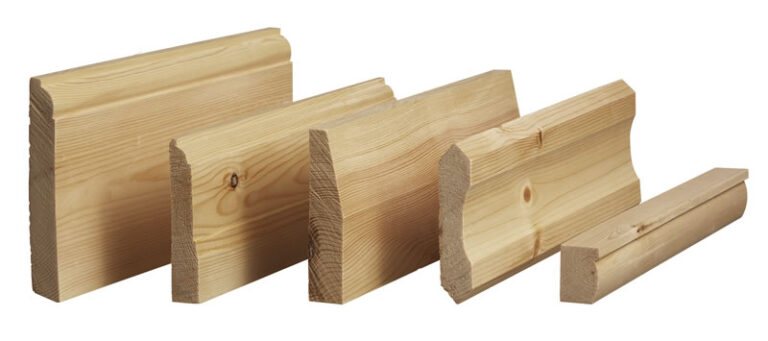
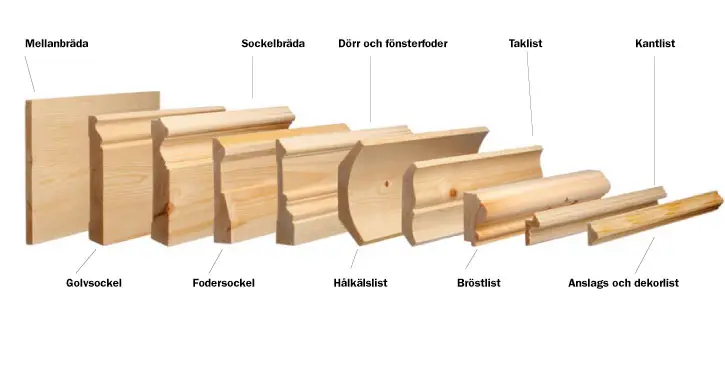
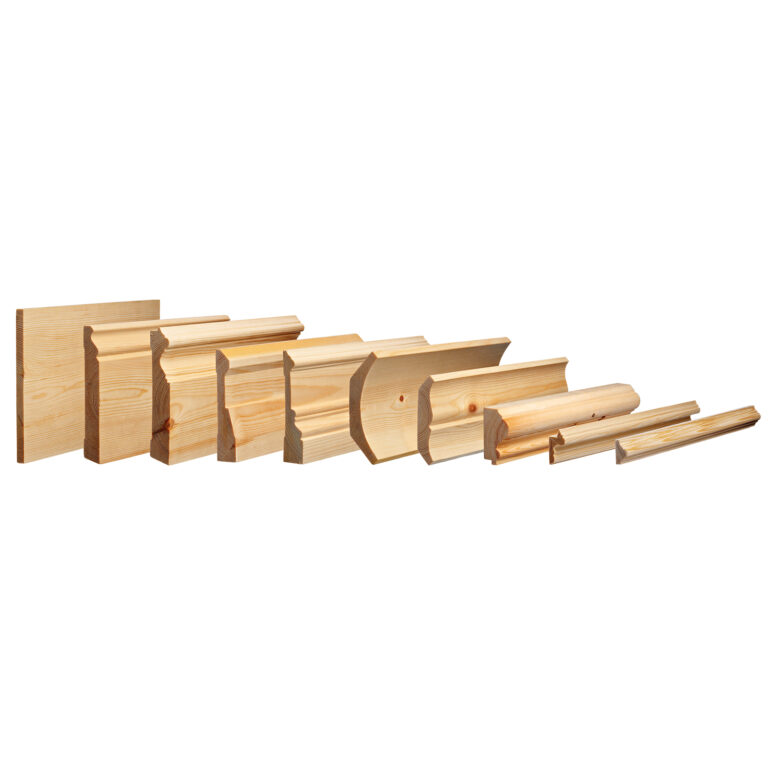
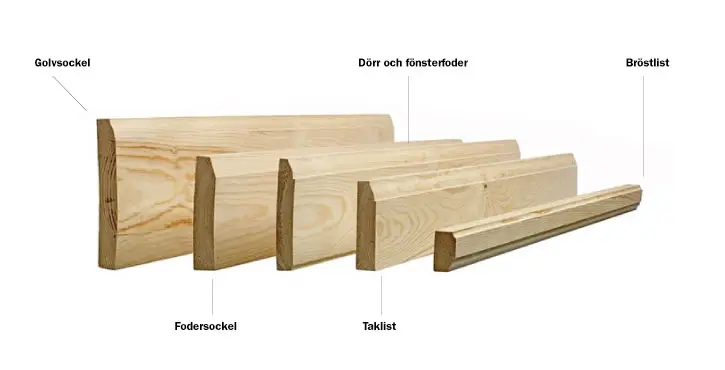
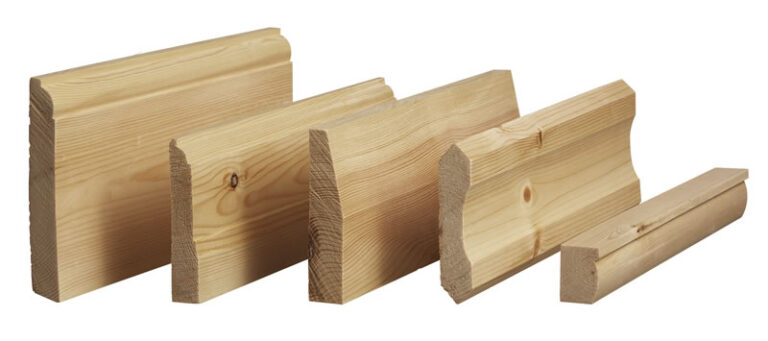
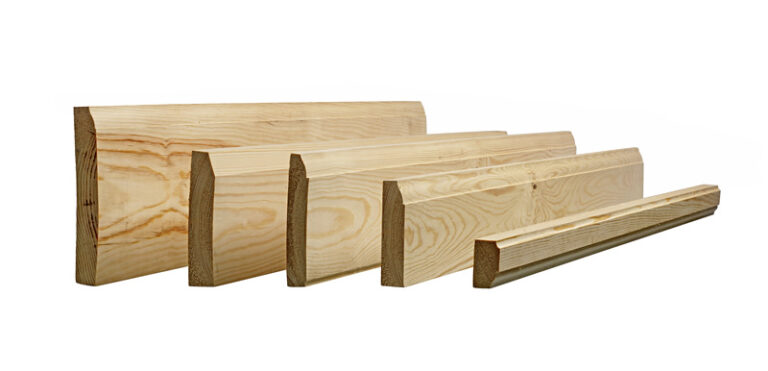
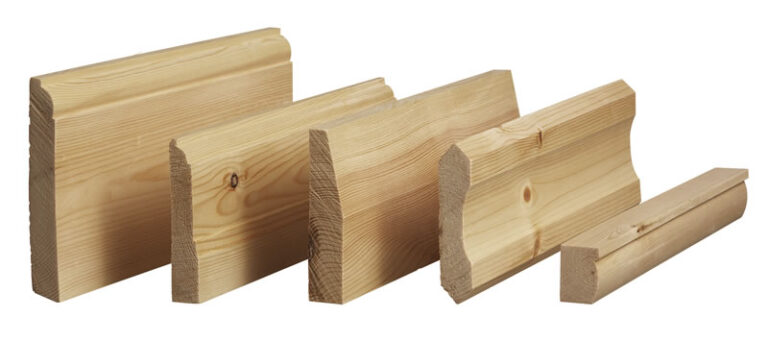
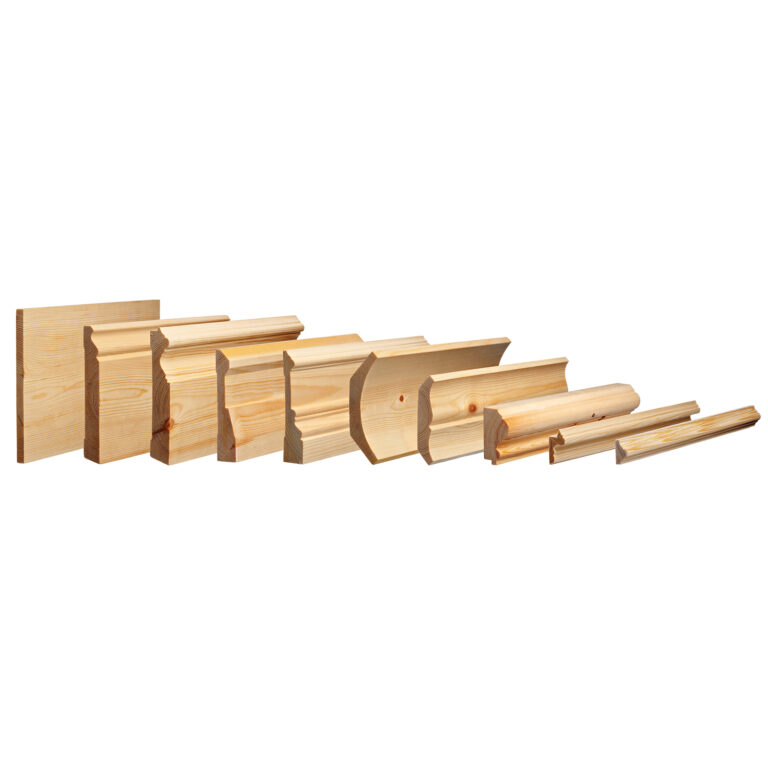
We offer a wide range of turn-of-the-century style wooden mouldings, wooden floors and door and window casings, which are suitable for both older and modern environments. We stock the profiles at our warehouse in Gysinge and offer samples and advice in our store in Stockholm.
Color
Color
Kulör
Välj kulör
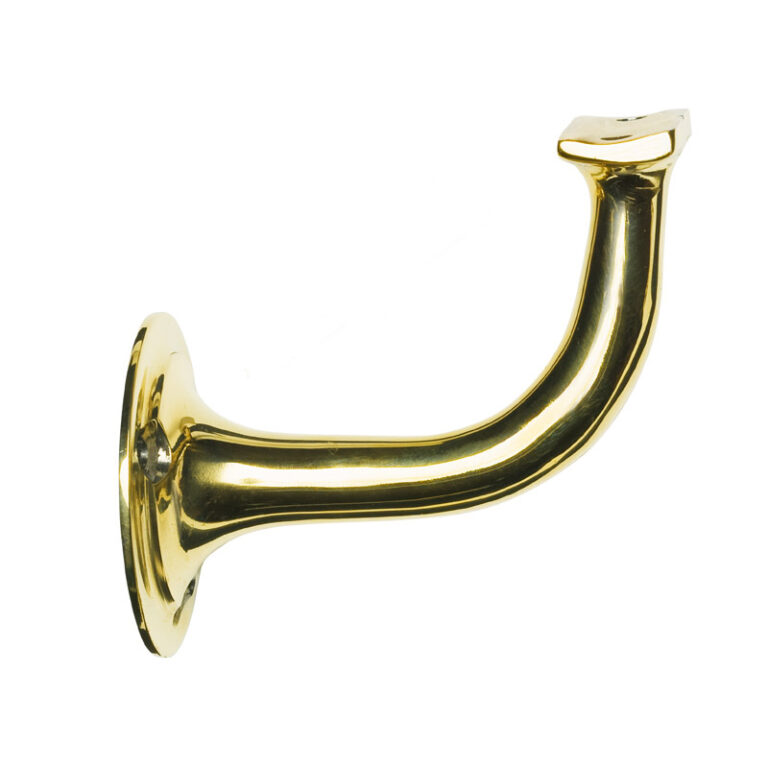
Brass handrail holder

Turned handrails from the period after 1860 include wall brackets, usually in brass, but from the turn of the century 1900, also in nickel-plated design. Gysinge’s cast handrail holders are distinguished by their high quality, including a machined slender shape, highly polished but unlacquered surface (ages softly and naturally) and a cast carnis profile around the plate. The latter is a decoration that reappears on many details around the turn of the century 1900 and which makes the handrail holders fit especially well into interiors where there is more of Gysinge’s well-made brass fittings.

300 SEK

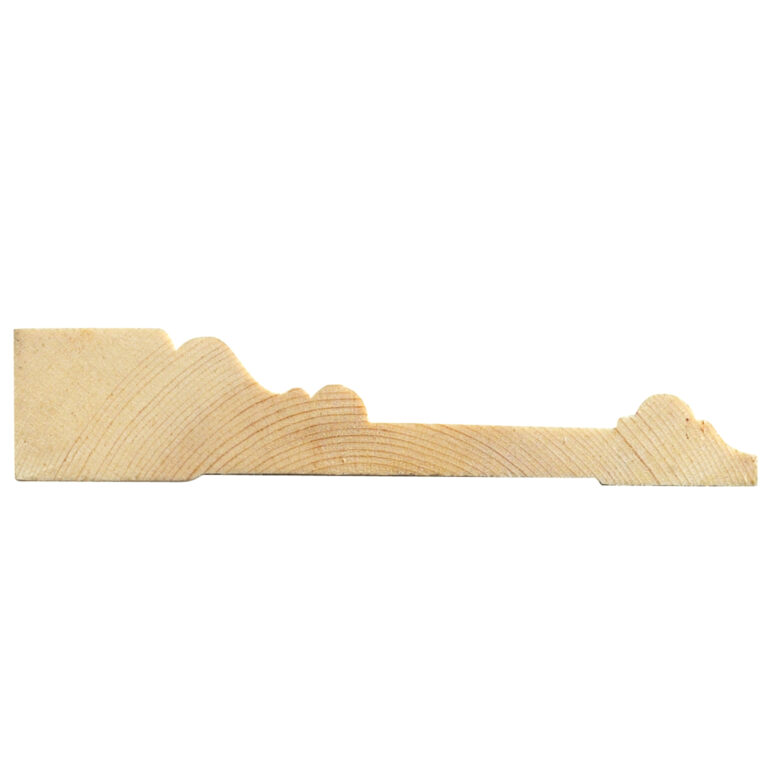
Breastplate 1900s, per meter

Planed joinery based on models from the late 1800s and early 1900s. Planed after the model from our exhibition house “Andra bygget” from 1894 in Gysinge.

Because of their simple and rustic character, they are also useful in other contexts. The floor plinth, for example, has a shape that was already common in the 18th century. A complete room interior includes: Floor plinth, door and window linings, lining plinth, cornice and cornice.

The price is per meter.

BUY ON SITE in our store in Gysinge. Samples can be seen in our store in Stockholm.

110 SEK

Breastplate hand planed per meter

Breastplate as in a complete series of hand-planed carpentry for a room from the 18th century until the first half of the 19th century.

The price is per meter and the product is purchased in whole meters.

BUY ON SITE in our store in Gysinge. Samples can be seen in our store in Stockholm.

225 SEK

Breastplate late 19th century per meter

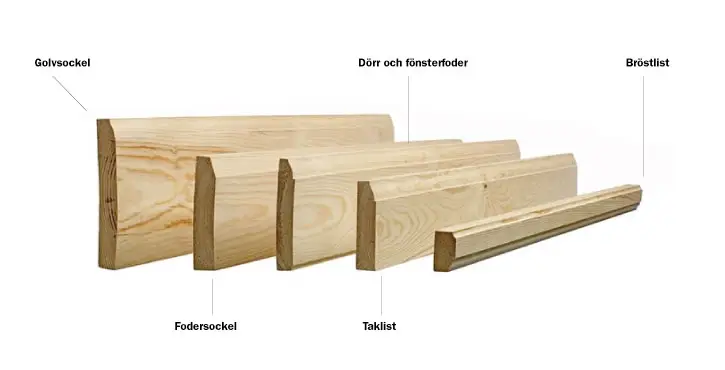
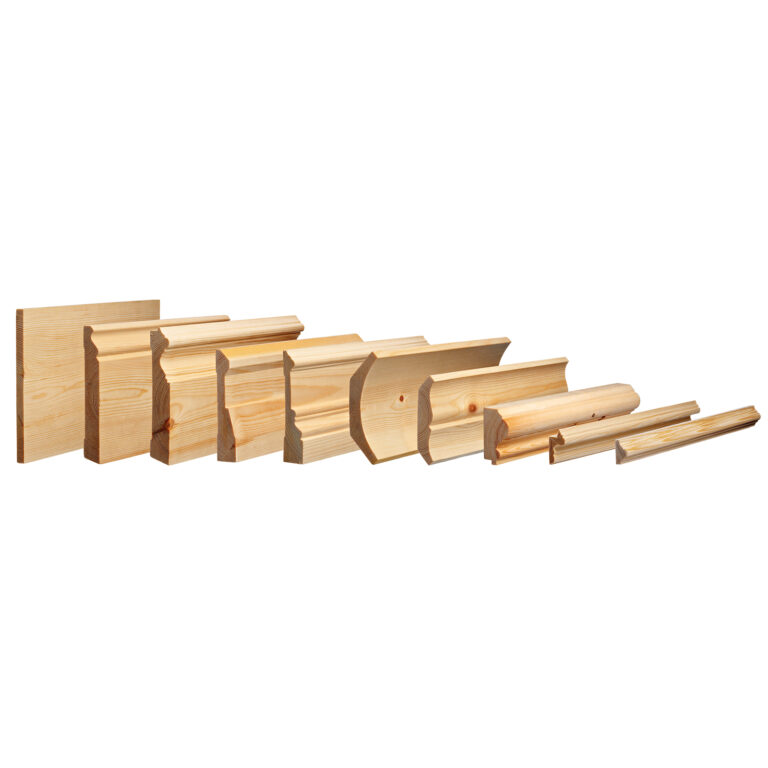
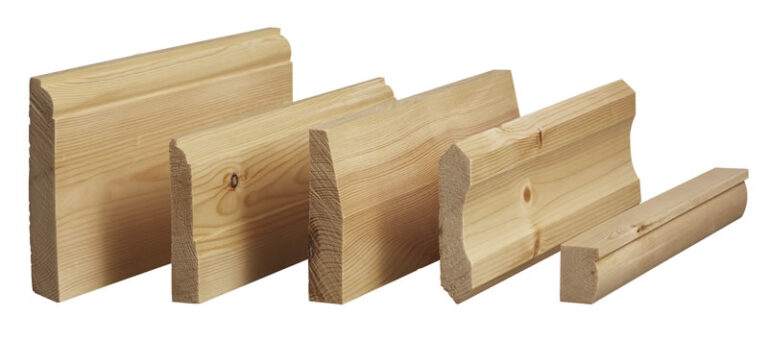
The moulding in our program of planed joinery from the second half of the 19th century is of a machine-planed variety that was common throughout the country. The model is usually called “French joinery” and was in production until well into the 20th century. There were normally two variants, one more lavish for finer rooms, such as the hall, atrium and salon. These rooms included, for example, three-part cornices and three-part high plinths. For simpler rooms, such as kitchens, bedrooms and chambers, carpentry was used with smaller dimensions and less complicated profiles. However, some of the moldings, such as linings and breast moldings, tend to be the same, regardless of whether they are in finer or simpler rooms.

The price is per meter.

BUY ON SITE in our store in Gysinge. Samples can be seen in our store in Stockholm.

100 SEK

Cornice 1900s, per meter

The cornice is part of planed joinery based on models from the late 19th and early 20th centuries. Planed after the model from our exhibition house “Andra bygget” from 1894 in Gysinge.

Because of their simple and rustic character, they are also useful in other contexts. The floor plinth, for example, has a shape that was already common in the 18th century. A complete room interior includes: Floor plinth, door and window linings, lining plinth, cornice and cornice.

The price is per meter.

95 SEK

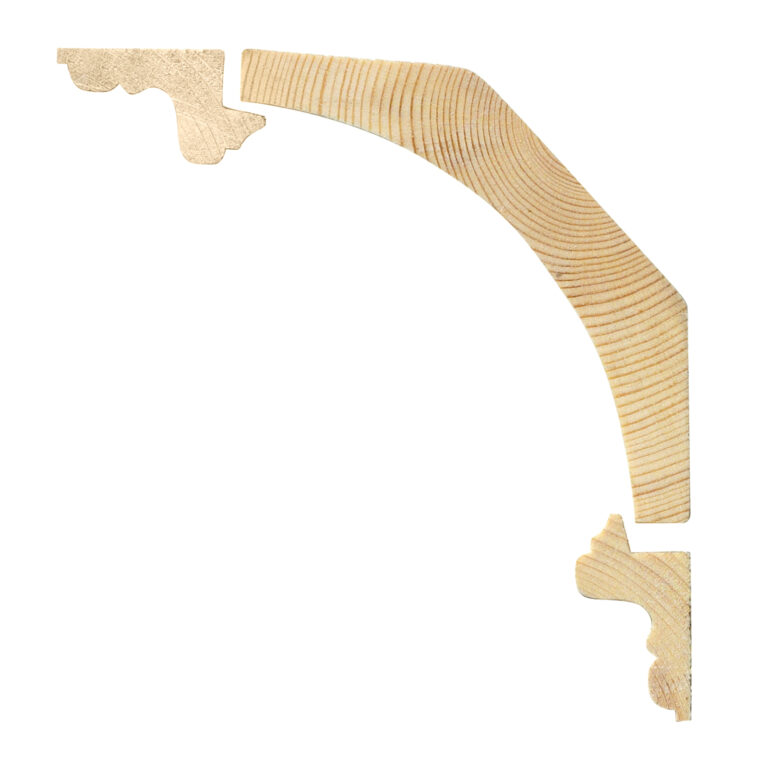
Cornice gooseneck late 1800 per meter

The “gooseneck” cornice is part of our program of planed joinery from the second half of the 19th century is of a machine-planed variety that was common throughout the country. The model is usually called “French joinery” and was in production until well into the 20th century. There were normally two variants, one more lavish for finer rooms, such as the hall, atrium and salon. These rooms included, for example, three-part cornices and three-part high plinths. For simpler rooms, such as kitchens, bedrooms and chambers, carpentry was used with smaller dimensions and less complicated profiles. However, some of the moldings, such as linings and breast moldings, tend to be the same, regardless of whether they are in finer or simpler rooms.

The price is per meter.

100 SEK

Door and window lining hand planed per meter

Door and window linings: Hand-planed linings adapted for rooms from the 18th to the 19th century.

A complete series of hand-planed carpentry for a room from the 18th century to the first half of the 19th century.

The price is per meter.

BUY ON SITE in our store in Gysinge. Samples can be seen in our store in Stockholm.

250 SEK

Door and window linings 1900s, per meter

Planed joinery based on models from the late 1800s and early 1900s. Planed after the model from our exhibition house “Andra bygget” from 1894 in Gysinge.

Because of their simple and rustic character, they are also useful in other contexts. The floor plinth, for example, has a shape that was already common in the 18th century. A complete room interior includes: Floor plinth, door and window linings, lining plinth, cornice and cornice.

The price is per meter. BUY ON SITE in our store in Gysinge. Samples are available to see in our store in Stockholm.

105 SEK

Door and window linings late 19th century per meter

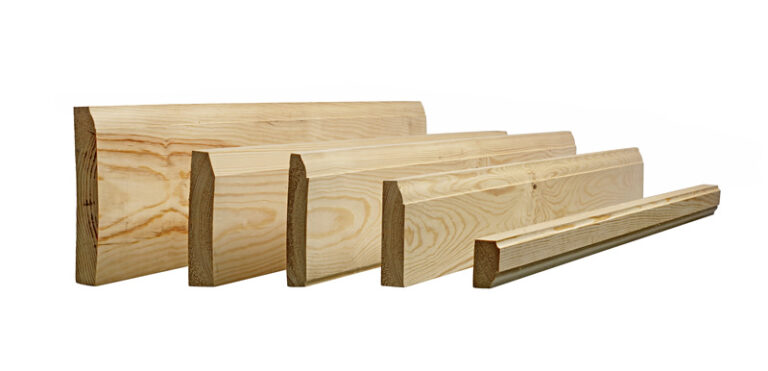
Door and window lining, late 19th century.

Included in our program of planed joinery from the second half of the 19th century is a machine-planed variety that was common throughout the country. The model is usually called “French joinery” and was in production until well into the 20th century. There were normally two variants, one more lavish for finer rooms, such as the hall, atrium and salon. These rooms included, for example, three-part cornices and three-part high plinths. For simpler rooms, such as kitchens, bedrooms and chambers, carpentry was used with smaller dimensions and less complicated profiles. However, some of the moldings, such as linings and breast moldings, tend to be the same, regardless of whether they are in finer or simpler rooms.

The price is per meter.

BUY ON SITE in our store in Gysinge. Samples can be seen in our store in Stockholm.

110 SEK

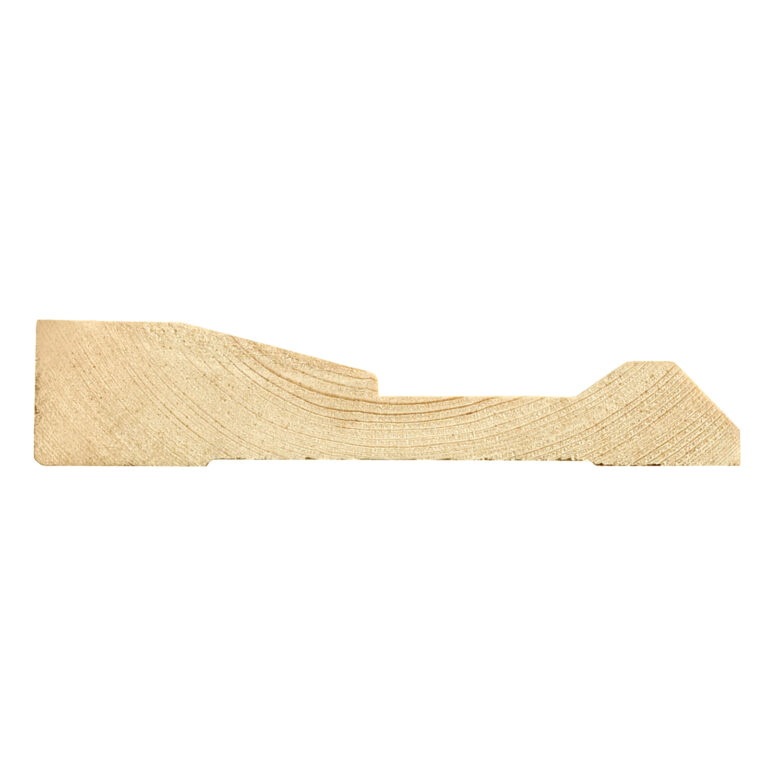
Edge strip late 19th century per meter

The edging strip included in our program of planed joinery from the second half of the 19th century is of a machine-planed variety that was common throughout the country. The model is usually called “French joinery” and was in production until well into the 20th century. There were normally two variants, one more lavish for finer rooms, such as the hall, atrium and salon. These rooms included, for example, three-part cornices and three-part high plinths. For simpler rooms, such as kitchens, bedrooms and chambers, carpentry was used with smaller dimensions and less complicated profiles. However, some of the moldings, such as linings and breast moldings, tend to be the same, regardless of whether they are in finer or simpler rooms.

The price is per meter.

75 SEK

Feed base hand-planed per piece

Feeding base, hand-planed. Finished length 150 cm for so-called shed blocks. Adapted for our hand-planed door and window linings.

Part of a complete series of hand-carved joinery for rooms from the 18th century to the first half of the 19th century.

465 SEK

Feeding plinth 130 cm, Turn of the 20th century

Lining base. Also called scouring block and cut to the desired length for installation under door linings. Untreated pine. Fixed length 130 cm.

Planed joinery based on models from the late 1800s and early 1900s. Planed after the model from our exhibition house “Andra bygget” from 1894 in Gysinge.

Because of their simple and rustic character, they are also useful in other contexts. The floor plinth, for example, has a shape that was already common in the 18th century. A complete room interior includes: Floor plinth, door and window linings, lining plinth, cornice and cornice.

295 SEK

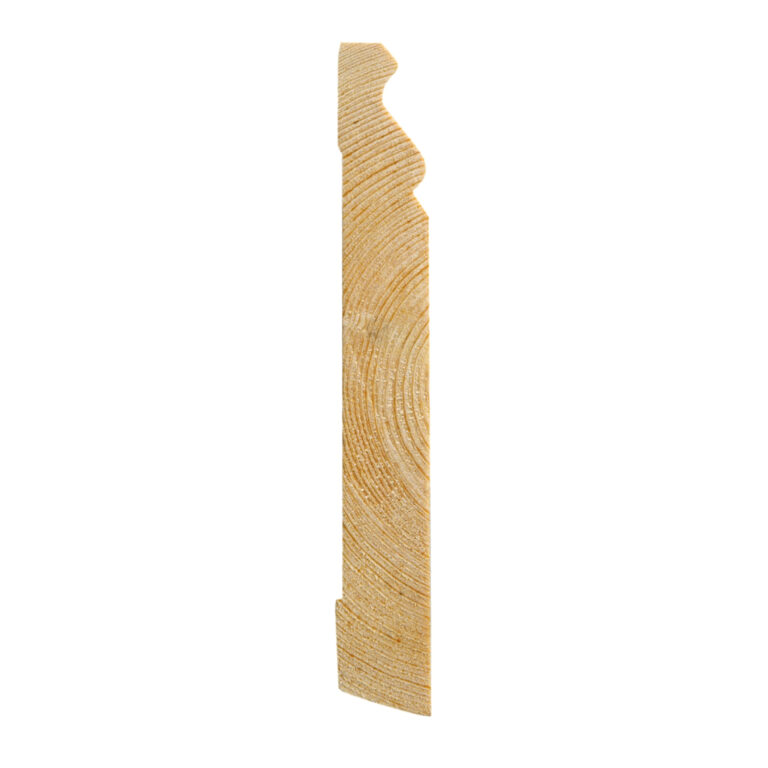
Floor base hand planed per meter

Floor plinth, hand-planed.

A room from the 18th century to the middle of the 19th century has strong, wide floor plinths. This model is the most commonly used throughout the country, with its strong s-turned carnis profile.

To be purchased on site at the store in Gysinge

275 SEK

Floor plinth 1900s, per meter

Planed joinery based on models from the late 1800s and early 1900s. Planed after the model from our exhibition house “Andra bygget” from 1894 in Gysinge. Because of their simple and rustic character, they are also useful in other contexts. The floor plinth, for example, has a shape that was already common in the 18th century. A complete room interior includes: Floor plinth, door and window linings, lining plinth, cornice and cornice.

The price is per meter.

Purchased on site in our store in Gysinge. Samples are available to see in our Stockholm store. Contact customer service for a shipping quote.


115 SEK

Floor plinth late 1800s per meter

Floor plinth, planed joinery late 19th century.

Our program of planed joinery from the second half of the 19th century is of a machine-planed variety that was common throughout the country.

This model is known as ‘French carpentry’ and was in production until well into the 20th century. There were normally two variants, one more lavish for finer rooms, such as the hall, atrium and salon.

These rooms included, for example, three-part cornices and three-part high plinths.

For simpler rooms, such as kitchens, bedrooms and chambers, carpentry was used with smaller dimensions and less complicated profiles.

However, some of the moldings, such as linings and breast moldings, tend to be the same, regardless of whether they are in fancier or simpler rooms.

The price is per meter.

125 SEK

Hand planed cornice per meter

The cornice is part of a complete series of hand-planed carpentry for a room from the 18th century to the first half of the 19th century.

The price is per meter.

225 SEK

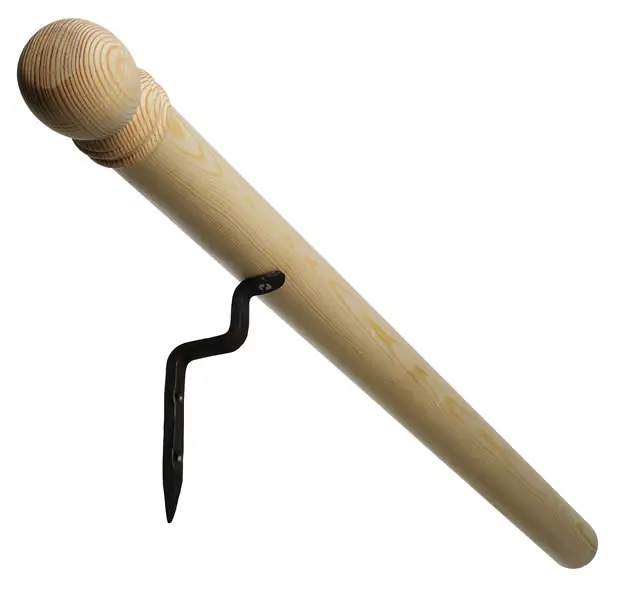
Handrail holder iron

Round handrails began to replace the profiled handrails in the first half of the 19th century. The model for our handrail comes from a farm in southern Dalarna and is one of the earliest we know of, probably made around 1820. The pole has sturdy hand-turned end knobs with a period look and iron wall brackets. The pole comes from a farm that was not quite finished. Therefore it is unpainted. A likely color scheme would have been gray with black knobs.

255 SEK

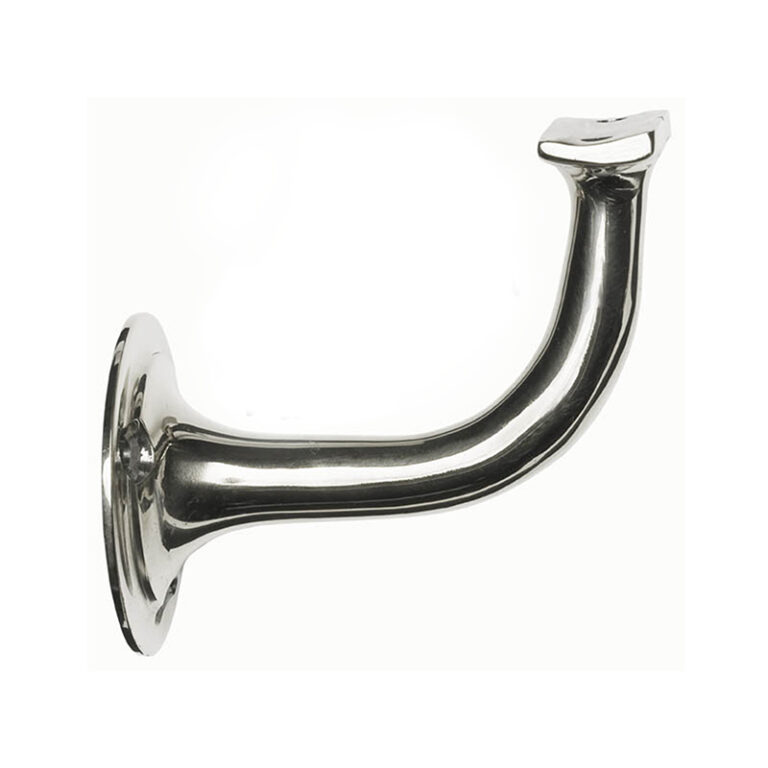
Handrail holder nickel-plated

Turned handrails from the period after 1860 include wall brackets, usually in brass, but from the turn of the century 1900, also in nickel-plated design. Gysinge’s cast handrail holders are distinguished by their high quality, including a machined slender shape, highly polished but unlacquered surface (ages softly and naturally) and a cast carnis profile around the plate. The latter is a decoration that reappears on many details around the turn of the century 1900 and which makes the handrail holders fit especially well into interiors where there are more of Gysinge’s well-made fittings.

315 SEK

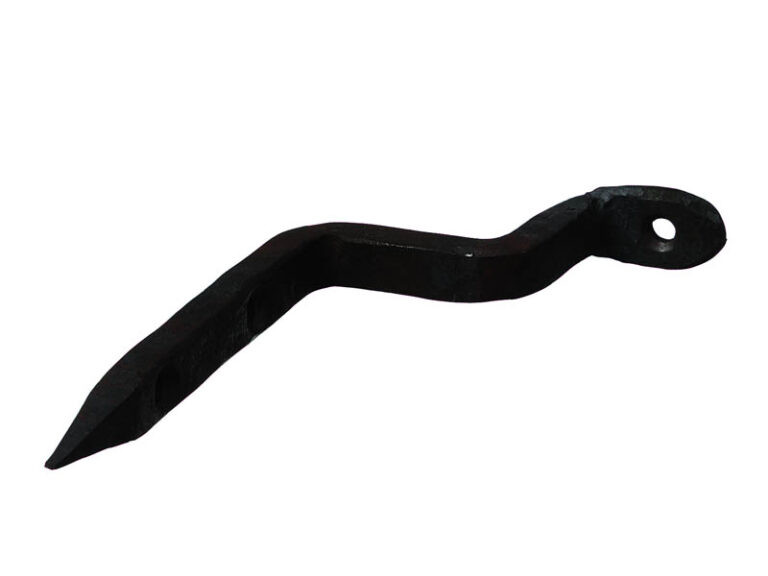
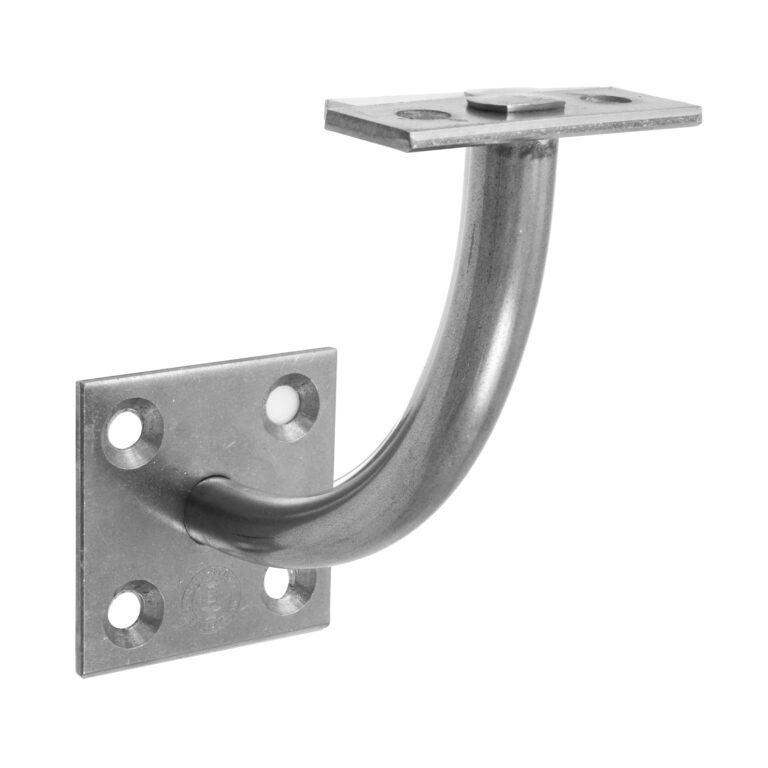
Handrail hook 5304

Model: Residential house from 1917, Munkhagsg 24, Mariefred

Period: 1880-1950

Screw not included.

Fitting screw number 16.

245 SEK

Handrail round

Round handrails began to replace the profiled handrails in the first half of the 19th century. The model for our handrail comes from a farm in southern Dalarna and is one of the earliest we know of, probably made around 1820. The pole has sturdy hand-turned end knobs with a period look and iron wall brackets. The pole comes from a farm that was not quite finished. Therefore it is unpainted. A likely color scheme would have been gray with black knobs.

1.095 SEK

Hollow keel moulding late 19th century per meter

The hollow edge moulding (price excl. edge moulding) included in our program of planed joinery from the second half of the 19th century is of a machine-planed variety that was common throughout the country. The model is usually called “French joinery” and was in production until well into the 20th century. There were normally two variants, one more lavish for finer rooms, such as the hall, atrium and salon. These rooms included, for example, three-part cornices and three-part high plinths. For simpler rooms, such as kitchens, bedrooms and chambers, carpentry was used with smaller dimensions and less complicated profiles. However, some of the moldings, such as linings and breast moldings, tend to be the same, regardless of whether they are in finer or simpler rooms.

The price is per meter.

125 SEK

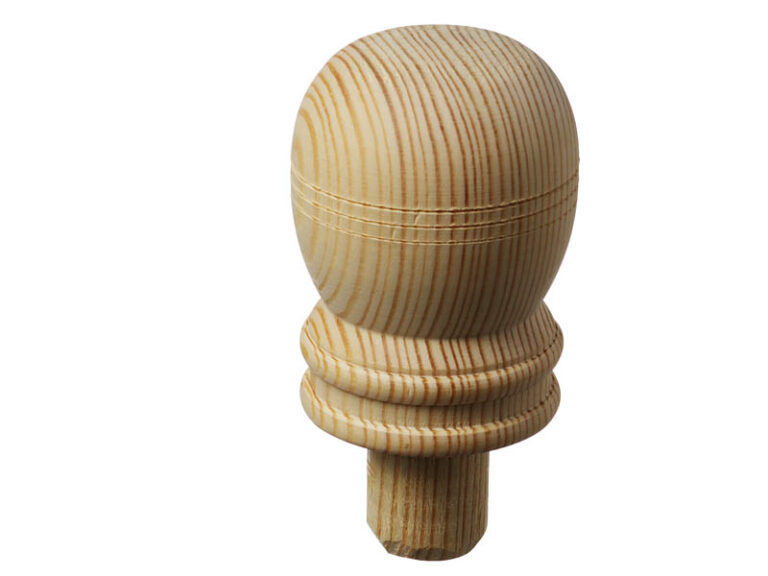
Knob for handrail

Handrail knob for round handrail.

185 SEK

Late 19th century pedestal per piece

Pedestal, planed carpentry late 19th century. Finished length 150 cm.

Our program of planed joinery from the second half of the 19th century is of a machine-planed variety that was common throughout the country. This model is known as ‘French carpentry’ and was in production until well into the 20th century. There were normally two variants, one more lavish for finer rooms, such as the hall, atrium and salon. These rooms included, for example, three-part cornices and three-part high plinths. For simpler rooms, such as kitchens, bedrooms and chambers, carpentry was used with smaller dimensions and less complicated profiles. However, some of the moldings, such as linings and breast moldings, tend to be the same, regardless of whether they are in finer or simpler rooms.

For simpler rooms:

Cornice, “gooseneck”, 22×95 mm/m

Door and window linings, 25×120 mm/m

Feed plinth, 25×1500 mm/m

Floor plinth, 21×145 mm/m

225 SEK

Middle board late 19th century per meter

The intermediate board is part of our program of planed joinery from the latter part of the 19th century. A machine planed variety that was common throughout the country.

This model is known as ‘French carpentry’ and was in production until well into the 20th century. There were normally two variants, one more lavish for finer rooms, such as the hall, atrium and salon. These rooms included, for example, three-part cornices and three-part high plinths. For simpler rooms, such as kitchens, bedrooms and chambers, carpentry was used with smaller dimensions and less complicated profiles. However, some of the moldings, such as linings and breast moldings, tend to be the same, regardless of whether they are in finer or simpler rooms.

The price is per meter.

Purchased on site in our store in Gysinge.

100 SEK

Related articles

It seems we can't find what you're looking for.

Please leave a comment what you think about our new webshop