[currency_switcher]

SKU: 3081-45

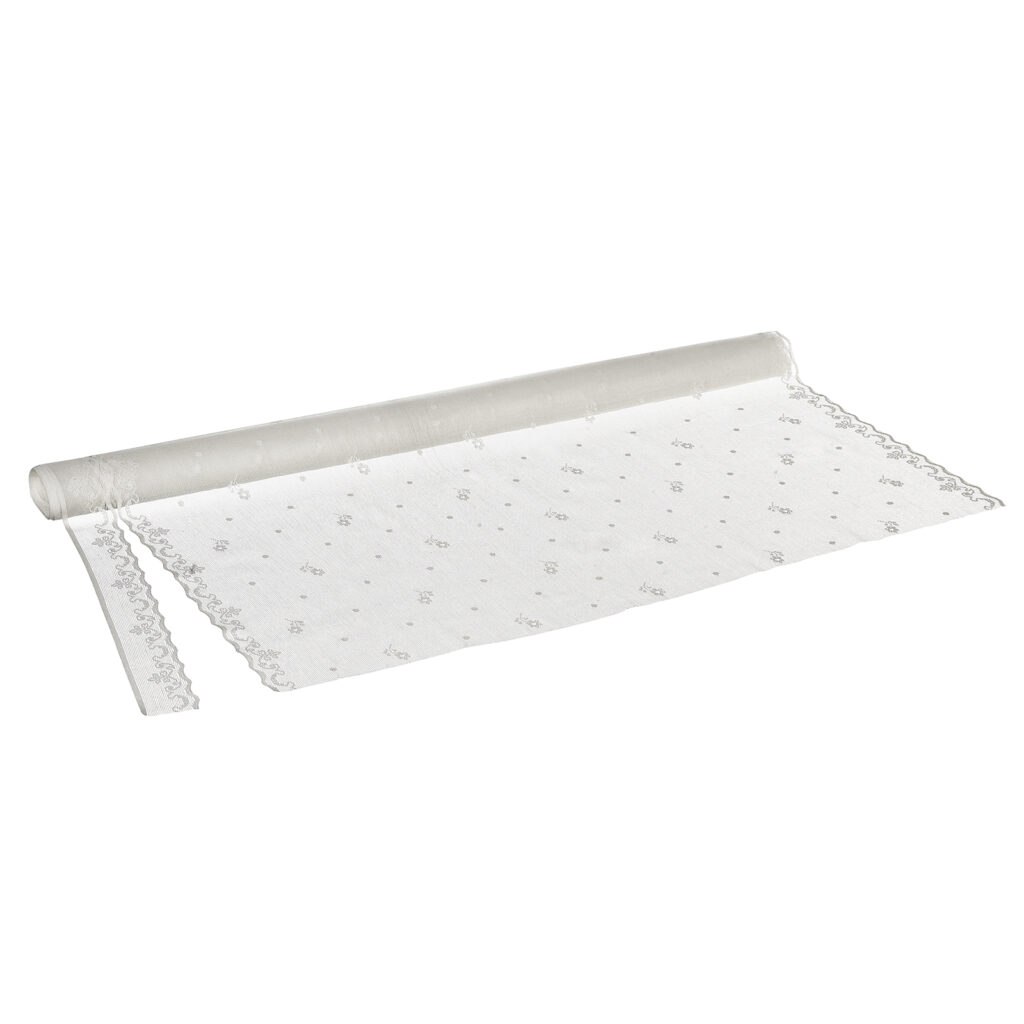
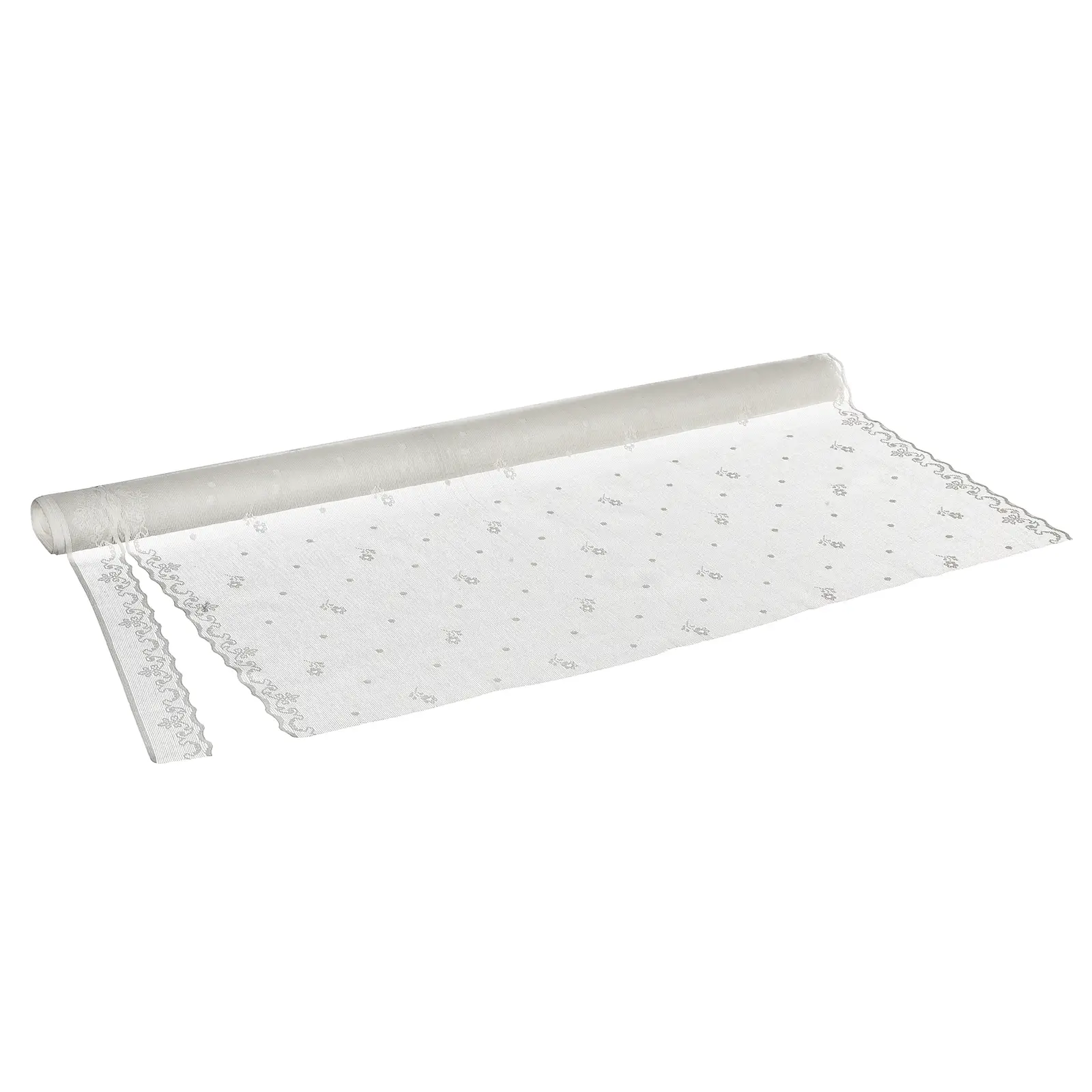
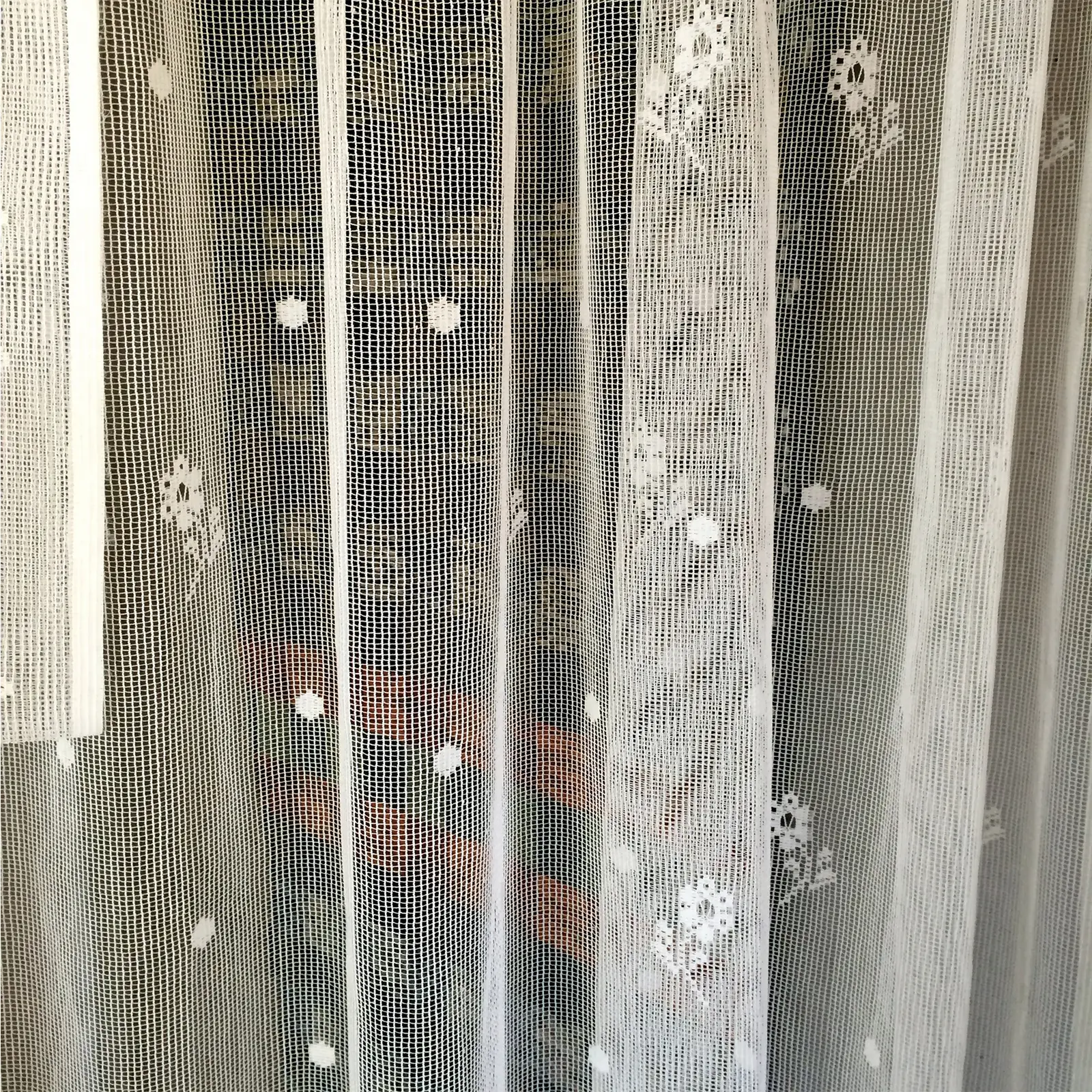
Lace curtain Gysinge flowers

415 SEK

Available in central stock
Quick facts

Andreas Skatter

Lace or thread curtains were a very common import in Sweden from the late 19th century until the Second World War. The country of origin of lace curtains has almost always been Scotland, and the only Swedish lace curtain factory that existed was also run by Scots. The character of this early 20th century curtain is, unusually, more of the type of delicate, sparse embroidery than grand lace, and the pattern is very reminiscent of 18th century lace and the diagonal floral pattern of the Rococo, an era that early 20th century interior designers often drew inspiration from. The simple, romantic impression is emphasized by, in addition to the sparsely scattered flower sprigs, also the thinly “embroidered” edge. The character is thus 18th century romantic, without being pretentious and the curtain fits perfectly both in period interiors and in less period rooms. The curtain is woven exclusively for Gysinge on mid-19th century looms at Scotland’s oldest curtain weaving mill.
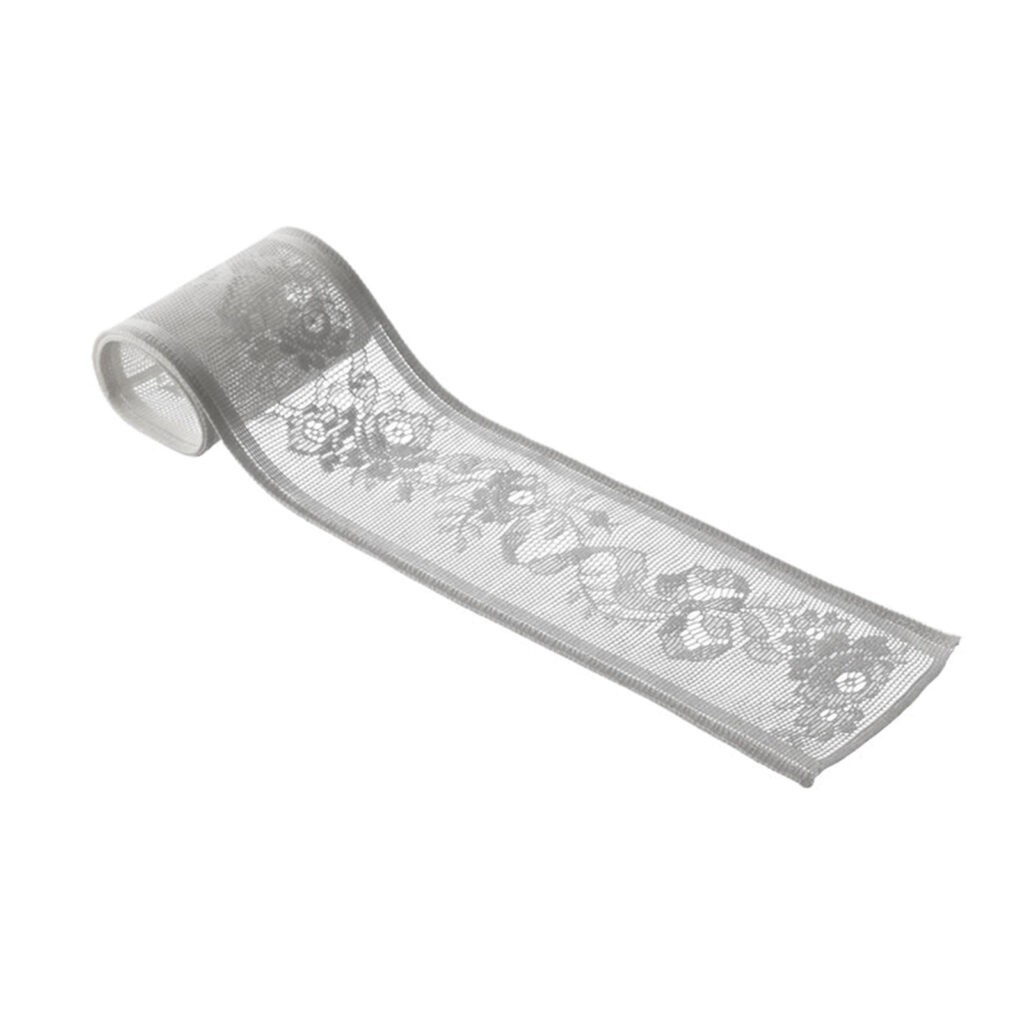
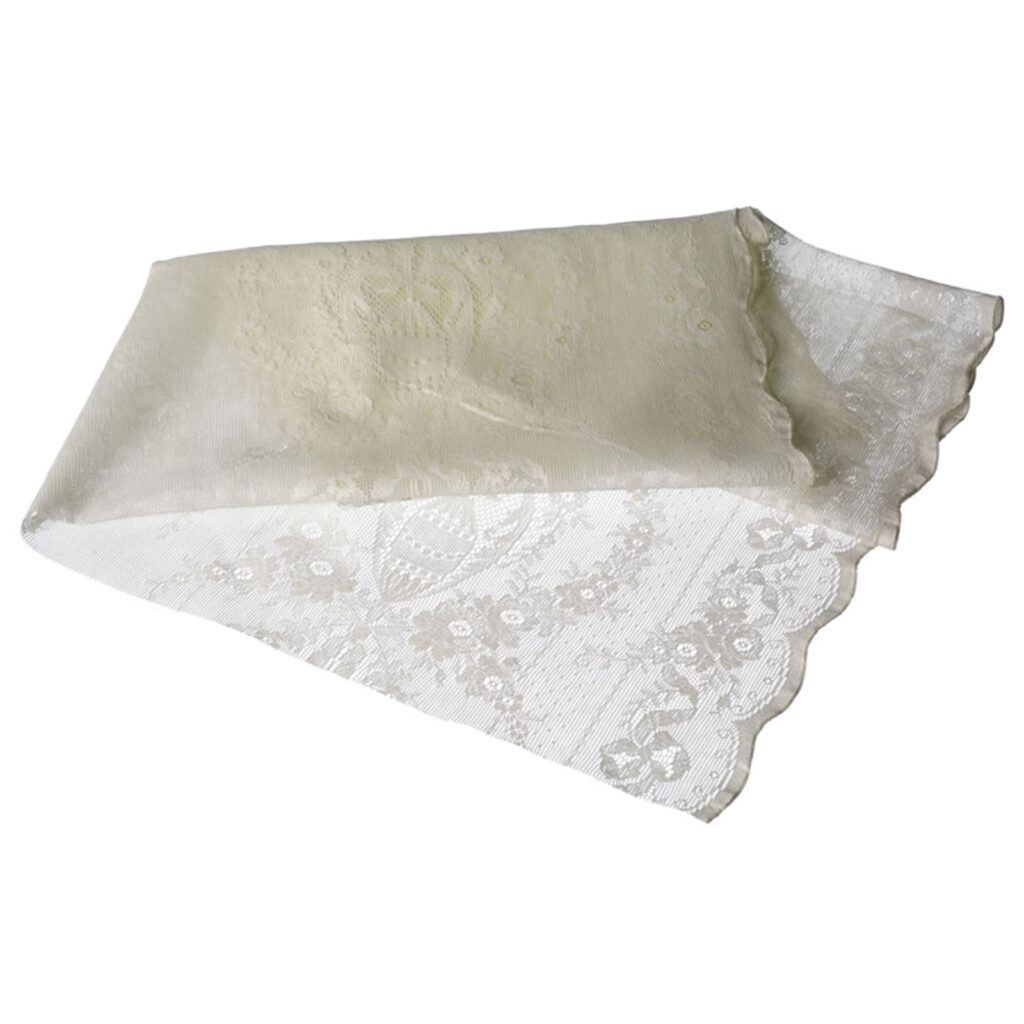
Natural white cotton. Width 100 cm. Pattern height 22 cm.

Description

Lace or thread curtains were a very common import in Sweden from the late 19th century until the Second World War. The country of origin of lace curtains has almost always been Scotland, and the only Swedish lace curtain factory that existed was also run by Scots. The character of this early 20th century curtain is, unusually, more of the type of delicate, sparse embroidery than grand lace, and the pattern is very reminiscent of 18th century lace and the diagonal floral pattern of the Rococo, an era that early 20th century interior designers often drew inspiration from. The simple, romantic impression is emphasized by, in addition to the sparsely scattered flower sprigs, also the thinly “embroidered” edge. The character is thus 18th century romantic, without being pretentious and the curtain fits perfectly both in period interiors and in less period rooms. The curtain is woven exclusively for Gysinge on mid-19th century looms at Scotland’s oldest curtain weaving mill.
Reviews

There are no reviews yet.

Be the first to review “Lace curtain Gysinge flowers”

Your email address will not be published. Required fields are marked *

Wash by hand, or machine wash on a gentle cycle, at 40 degrees. Shrinks 3-5%. Use fine detergent without bleach. Hang the curtain quite wet to make it even easier to iron. Fold the outer edges together and first stretch the curtain carefully to its original length. If possible, starch the curtain to make it last longer and keep its freshness. Iron with a hot iron.

You may also need to

Related products

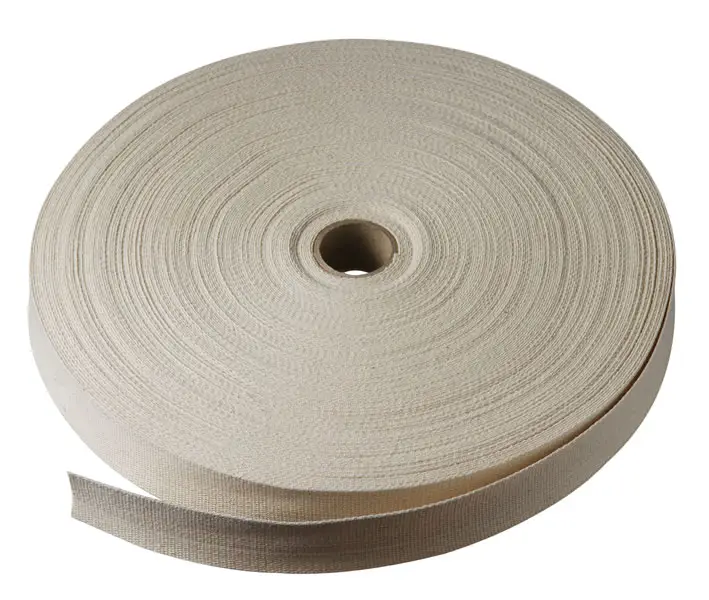
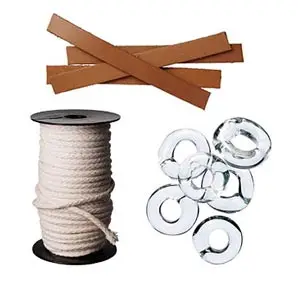
Cotton cord 3 mm

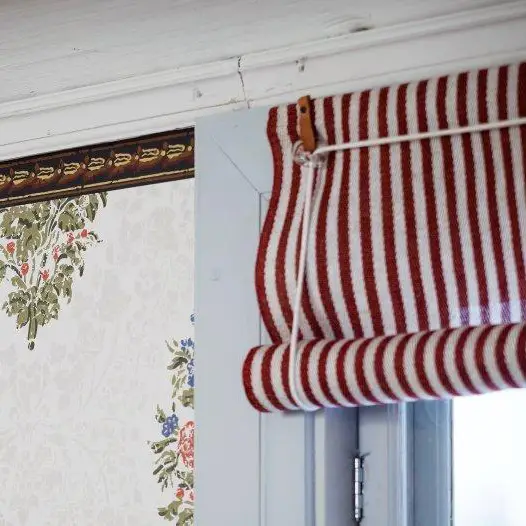
Cotton cord for 18th century roller blind. About 3mm in thickness. 100% cotton. Sold in whole meters.

20 SEK

Square rod 18th century curtain

Spare part: Square rod for 18th century roller blind.

Untreated pine. Length 140 cm. Thickness 1.2 cm cm. Height 2.2 cm.

Mounted at the top as a stable holder for the blind.

125 SEK

Round rod 18th century roller blind

Round rod for making an 18th century roller blind. See picture number 2.

Untreated birch. Diameter 2.7 cm. Length 140 cm.

130 SEK

Glass rings

Handmade rings of mouth-blown clear glass. Diameter 35-40 mm. Size and shape may vary slightly as they are handmade.

Swedish made in traditional glassworks for Gysinge. Traditionally used for roller shutter sets.

The price is per piece.

132 SEK

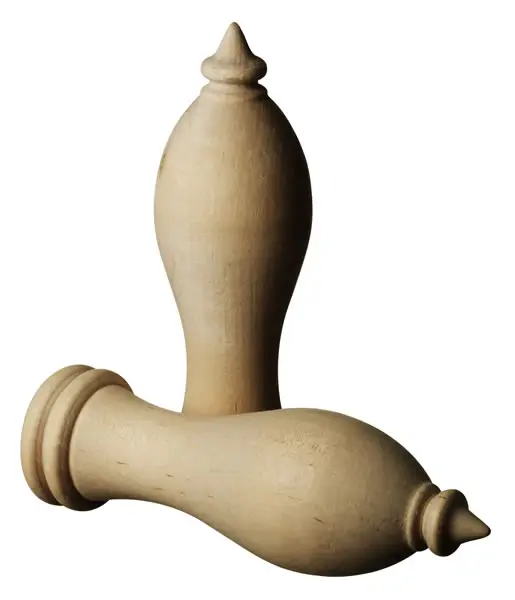
Loose curtain knob Nästgårds

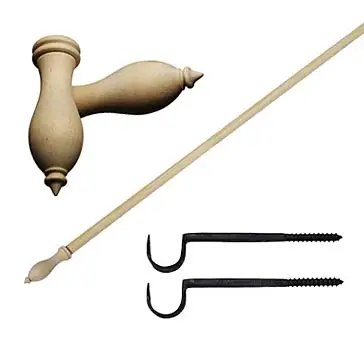
Turned knob for curtain rod Nästgårds from the mid-19th century.

Untreated hand-turned birch. Length 105 mm. Curtain rod Nästgårds can be purchased as separate parts or as a complete curtain rod set.

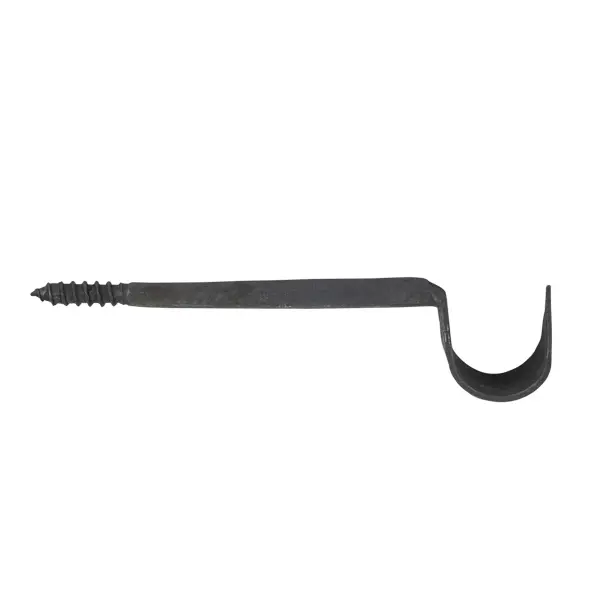
The original pole, which comes from the Nästgårds farm in Sterte, Österfärnebo, one of our exhibition houses, is painted 5 percent carbon black gray and with knobs in 100 percent carbon black. The hooks are linseed oil burned and therefore black.

NOTE!!! The price is per piece.

175 SEK

Lace curtain Panel 91×250 cm

Lace or thread curtains were a very common import in Sweden from the late 19th century until the Second World War. Many patterns, like this one, were woven in Scotland, where there is still a strong and living tradition of patterned curtains made from real cotton. This curtain is still woven on old looms in one of the few remaining weaving mills. The curtain is made of the finest ivory white cotton and magnificently patterned with roses in vases, garlands, ribbons and borders. A typical sumptuous 19th century pattern, suitable for the finest rooms in the house.

Machine-woven lace curtains were once considered the ultimate luxury (as opposed to simple home-woven ones!) and those who could really afford it would also buy curtains that were far too long and let them hang out on the floor, much like a bridal veil. The most famous home, where this type of hanging still lives on in unbroken tradition, is Karen Blixen’s Rungstedlund, just north of Copenhagen.

1.075 SEK

Related articles

There are no related articles for this product.

Please leave a comment what you think about our new webshop