[currency_switcher]

SKU: 2732-2

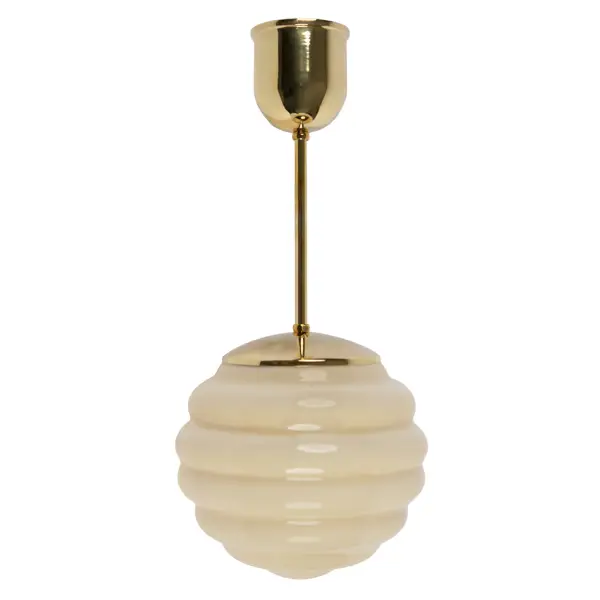
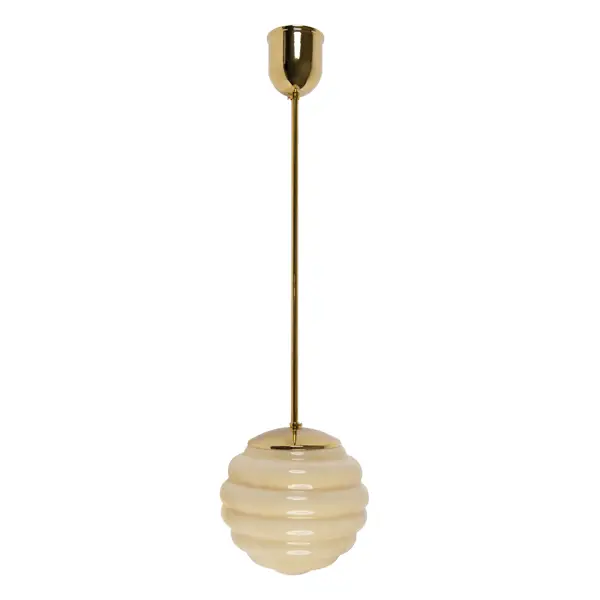
Lamp Beehive, yellow, brass, 50 cm

2.795 SEK

Available in central stock
Quick facts

Andreas Skatter

Watt

60W

Sockel

E27

Diameter

20 cm (8 inches)

Material

Untreated brass

Kupa

Mouth-blown yellow-tinted opal glass

Total längd

70 cm

Användning

Indoors

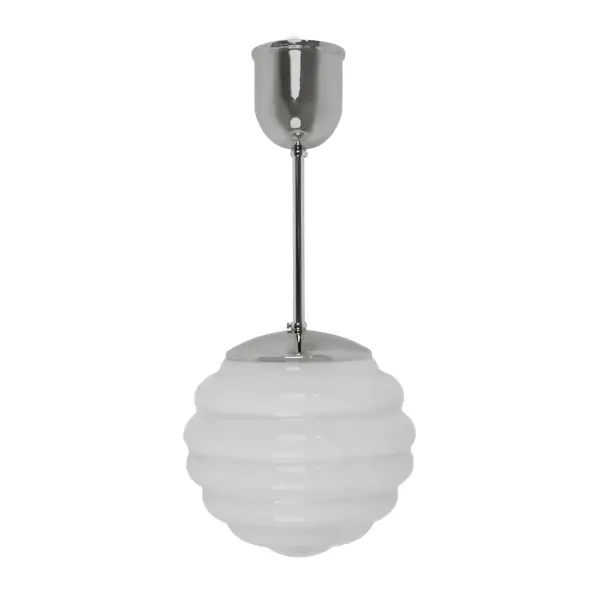
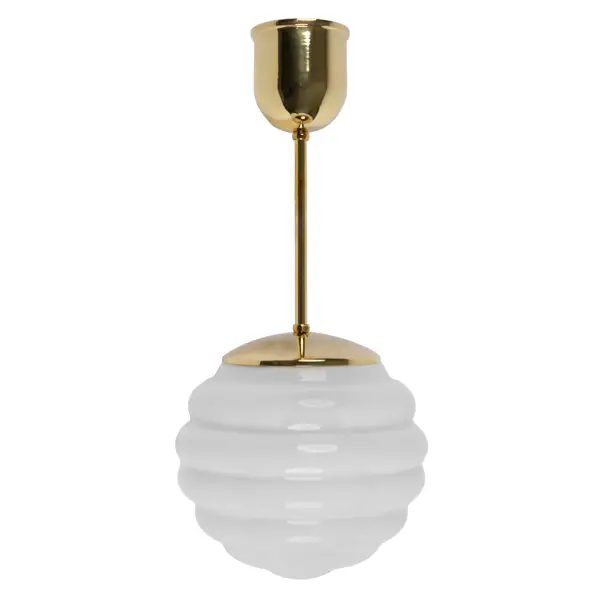
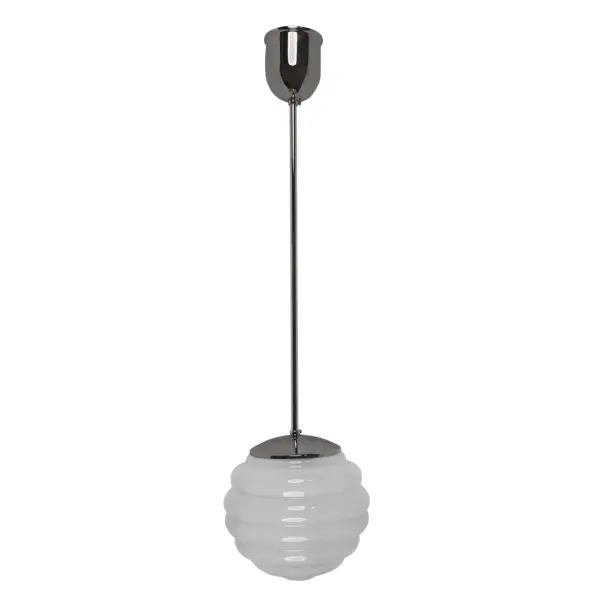
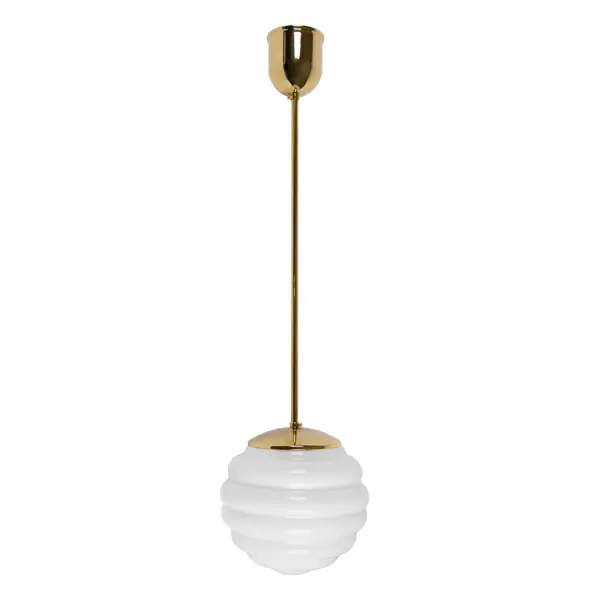
Classic ceiling lamp in Art Deco style. Existed in Sweden and Europe during the 1920-1930s. The glass cup has an undulating shape and is reminiscent of a beehive, hence its name. The glass cup is 20 cm in diameter, about 18 cm high and together with the pendulum the lamp is about 70 cm long.

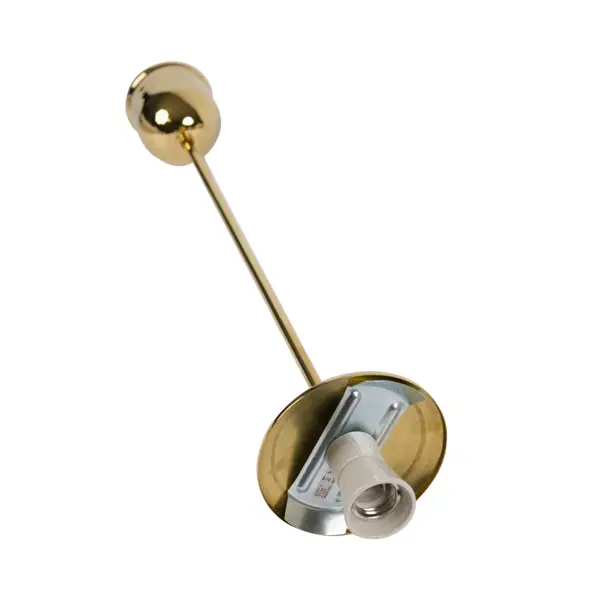
The pendant is made of untreated brass. Brass – or poor man’s gold, as it used to be called – is a non-magnetic copper alloy, where copper is alloyed with zinc. The higher the copper content, the yellower the tone. Untreated brass oxidizes over time and gives a beautiful matte yellow-brown tone with patina.

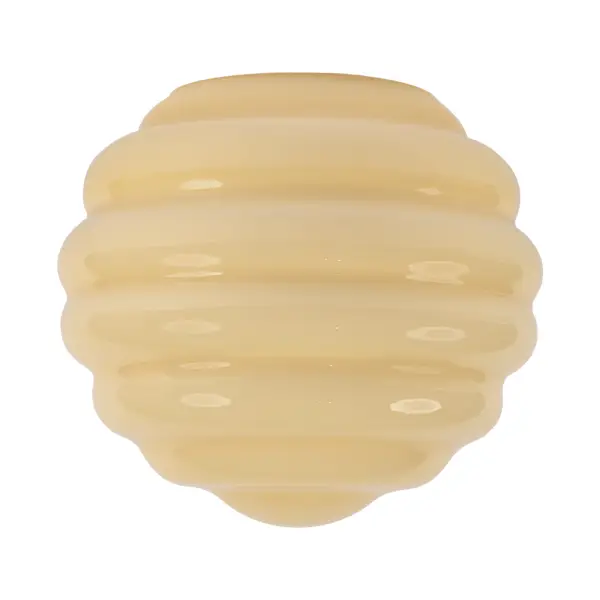
The glass is mouth-blown opal glass, formerly called milk glass. Commonly found in white color but seen here in yellow tone. Opal glass diffuses light softly, efficiently and evenly. The surface of our glass is glossy, but can also be satin or matte.

Made in Europe and sold in several combinations and lengths. Also available in white opal glass and nickel-plated brass. Choose between 20 cm and 50 cm pendants.

Description

Classic ceiling lamp in Art Deco style. Existed in Sweden and Europe during the 1920-1930s. The glass cup has an undulating shape and is reminiscent of a beehive, hence its name. The glass cup is 20 cm in diameter, about 18 cm high and together with the pendulum the lamp is about 70 cm long.

The pendant is made of untreated brass. Brass – or poor man’s gold, as it used to be called – is a non-magnetic copper alloy, where copper is alloyed with zinc. The higher the copper content, the yellower the tone. Untreated brass oxidizes over time and gives a beautiful matte yellow-brown tone with patina.

The glass is mouth-blown opal glass, formerly called milk glass. Commonly found in white color but seen here in yellow tone. Opal glass diffuses light softly, efficiently and evenly. The surface of our glass is glossy, but can also be satin or matte.

Made in Europe and sold in several combinations and lengths. Also available in white opal glass and nickel-plated brass. Choose between 20 cm and 50 cm pendants.

Andreas Skatter

Watt

60W

Sockel

E27

Diameter

20 cm (8 inches)

Material

Untreated brass

Kupa

Mouth-blown yellow-tinted opal glass

Total längd

70 cm

Användning

Indoors

Reviews

There are no reviews yet

Be the first to review “Lamp Beehive, yellow, brass, 50 cm”

Your email address will not be published. Required fields are marked *

You may also need to

Related products

Lamp holder porcelain straight white

Porcelain lamp holder or foot lamp holder in the model that constituted the first indoor electric lighting in many Swedish homes. See for example the home of Carl Larsson. The porcelain lamp holders were usually placed in the middle of the ceiling in the room or on the wall above the door.

This model can be connected in parallel for lighting in basements and attics, for example. Intended for indoor ceiling and wall in dry areas.

Porcelain. Straight model. Height 56mm, diameter 65mm. 100W. E27. IP class 20. S-marked.

255 SEK

Glass beehive Beehive small yellow

Belongs to the Beehive ceiling lamp. Yellow tinted opal glass.

Classic ceiling lamp in Art Deco style. Existed in Sweden and Europe during the 1920-1930s. The glass cup has an undulating shape and is reminiscent of a beehive, hence its name. The glass hive is 20 cm in diameter, about 18 cm high.

The glass is mouth-blown opal glass, formerly called milk glass. Commonly available in white color. Opal glass diffuses light softly, effectively and evenly. The surface of our glass is glossy, but can also be satin or matte.

995 SEK

Glass beehive Beehive small white

Belongs to the Beehive ceiling lamp. White mouth-blown opal glass.

Classic ceiling lamp in Art Deco style. Existed in Sweden and Europe during the 1920-1930s. The glass cup has an undulating shape and is reminiscent of a beehive, hence its name.

The glass is mouth-blown opal glass, formerly called milk glass. Commonly available in white color. Opal glass diffuses light softly, effectively and evenly. The surface of our glass is glossy, but can also be satin or matte.

995 SEK

Glass beehive Beehive large white

Belongs to the Beehive ceiling lamp. White mouth-blown opal glass.

Classic ceiling lamp in Art Deco style. Existed in Sweden and Europe during the 1920-1930s. The glass cup has an undulating shape and is reminiscent of a beehive, hence its name. The glass dome is 30 cm in diameter, about 28 cm high.

The glass is mouth-blown opal glass, formerly called milk glass. Commonly available in white color. Opal glass diffuses light softly, effectively and evenly. The surface of our glass is glossy, but can also be satin or matte.

1.155 SEK

Shoemaker lamp small white shade black cord

The cobbler’s lamp was, alongside the simple porcelain lamp holders, the first real indoor luminaire for electric light.

The model became common as ceiling lighting in all rooms in simpler homes from the 1910s onwards, however in wealthier environments it became the standard luminaire for less lavish rooms, such as hallways, kitchens and maids’ rooms.

All sheet metal parts are made of heavy, polished, unlacquered brass. The screen is made of opal glass.

A specially designed black plastic cable strain relief relieves the cable so that it does not carry the entire weight of the luminaire. A porcelain ceiling bracket with a wooden base plate (item no. 3041-64) is available as an optional accessory for a contemporary ceiling connection.

Hand-blown opal glass shade, diameter 20 cm. Lamp holder in untreated brass with ceramic base for E27. Twisted three-core (grounded) textile cord 2 m, black, included.

Plug not included.

1.885 SEK

Funkis lamp Flowers brass 50 cm

Classic ceiling lamp in Funkis style. Common in Europe during the 1930s – 1950s. The pendant 50cm, untreated brass. The shade itself is slightly cone-shaped with a leaf pattern at the bottom, hence its name “Flowers”. The glass is of mouth-blown opal glass.

Opal glass – Opal glass is a commonly white glass, which used to be called milk glass. Opal glass has a very good ability to diffuse light effectively and evenly. The surface of our glass is glossy, but opal glass can also be satin or matt. In art, opal glass has ancient origins but was first produced in Venice in the 15th century.

Brass – or poor man’s gold as it used to be called – is a non-magnetic copper alloy, where copper is alloyed with zinc. The higher the copper content, the yellower the tone. Untreated brass oxidizes over time and gives a beautiful matte yellow-brown tone with patina. Untreated brass was completely dominant on fittings and details before the turn of the century 1900.

2.845 SEK

Related articles

There are no related articles for this product.

Please leave a comment what you think about our new webshop