SKU: 3021-4

Refractory clay mortar

EUR39.80

Available in central stock
Quick facts

Andreas Skatter

Weight 5.65 kg
Intended for

iron stove

Contents

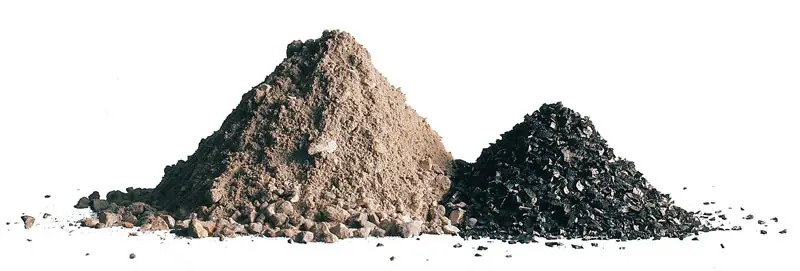
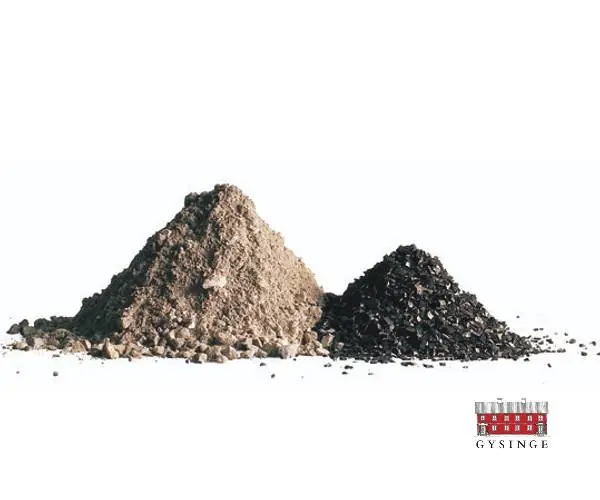
2 bags of clay, 1 bag of iron filings. instructions for use.

Clay and iron filings for insulating iron stoves. The kit is enough for a large iron stove and only water needs to be added. 2 bags of clay, 1 bag of iron filings. Total about 5 kg.

Why is refractory mortar needed for iron stoves?

In iron cookers, the roof of the oven section needs to be covered with clay mortar to provide more even heat in the oven and to prevent the heat from rising and falling too quickly when firing. The mortar is also necessary to prevent the stove from cracking if the fire is too hot. In old iron stoves, you can usually only see the remains of this insulation in the form of a layer of gravel on top of the stove. Refractory clay mortar should only be laid on top of the stove roof.

Contains clay mixture (1 part clay flour and 3 parts sand) and iron filings. Instructions are included. It is also available as a PDF under the heading Documents (at the Add to cart button).
Description

Clay and iron filings for insulating iron stoves. The kit is enough for a large iron stove and only water needs to be added. 2 bags of clay, 1 bag of iron filings. Total about 5 kg.

Why is refractory mortar needed for iron stoves?

In iron cookers, the roof of the oven section needs to be covered with clay mortar to provide more even heat in the oven and to prevent the heat from rising and falling too quickly when firing. The mortar is also necessary to prevent the stove from cracking if the fire is too hot. In old iron stoves, you can usually only see the remains of this insulation in the form of a layer of gravel on top of the stove. Refractory clay mortar should only be laid on top of the stove roof.

Contains clay mixture (1 part clay flour and 3 parts sand) and iron filings. Instructions are included. It is also available as a PDF under the heading Documents (at the Add to cart button).
Andreas Skatter

Weight 5.65 kg
Intended for

iron stove

Contents

2 bags of clay, 1 bag of iron filings. instructions for use.

Reviews

There are no reviews yet

Be the first to review “Refractory clay mortar”

Your email address will not be published. Required fields are marked *

Dokument

Instruction Refractory clay mortar

You may also need to

Related products

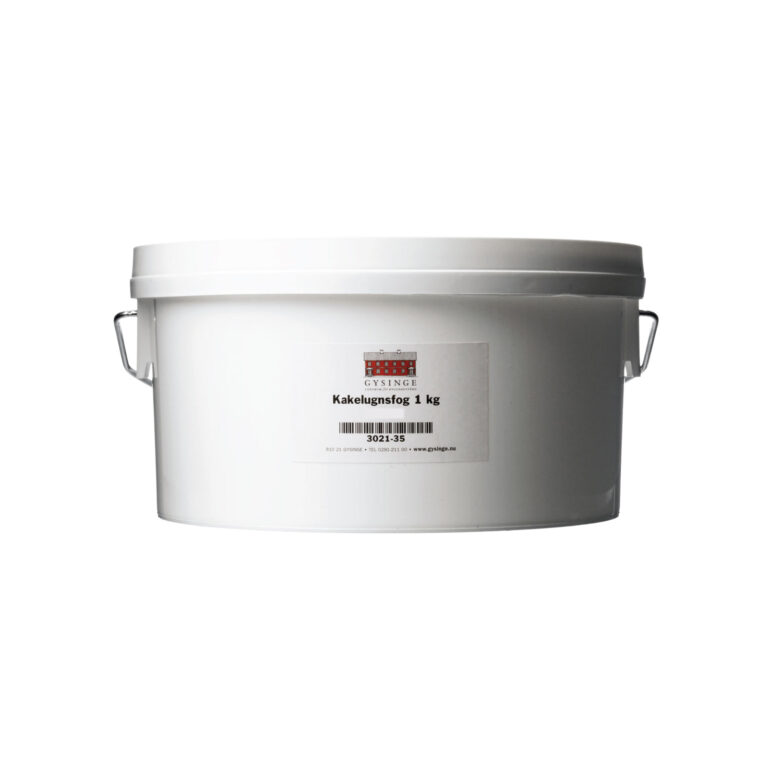
Tiled stove joint

On tiled stoves, the gaps between the tiles and between the door frame and vents are usually grouted with a special stove grout. This grout is “softer” and more pliable than the tile grout normally used to grout wall tiles.

The reason why the joint is softer is that a tiled stove, when fired and cooled, shrinks and swells much more than wall and floor tiles.

Gysinge’s ready-mixed stove grout is based on a traditional mixture of chalk and titanium white. It is therefore white in color and is most suitable for white ovens. If you have a colored oven, you add pigment in the appropriate color and stir well before stirring it all out with water.

Instructions are included in the package. It is also available in PDF format under the heading Documents (at the Add to cart button).
Tips! The bucket contains enough for several ovens. Therefore, soak only the amount you need and save the rest for another time.

EUR14.18

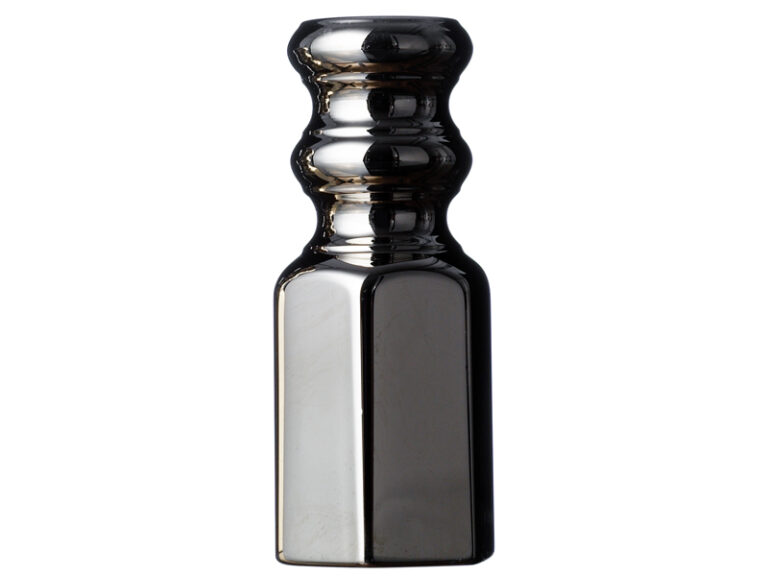
Tassel tassels 19th century

Damper tassels were a common decorative detail on tiled stoves, wall vents, etc. from the mid-19th to the early 20th century. The tassel was locked by a knot at the end of the damper chain and served both as a pull knob and decoration. Gysinge’s own production.

EUR18.76

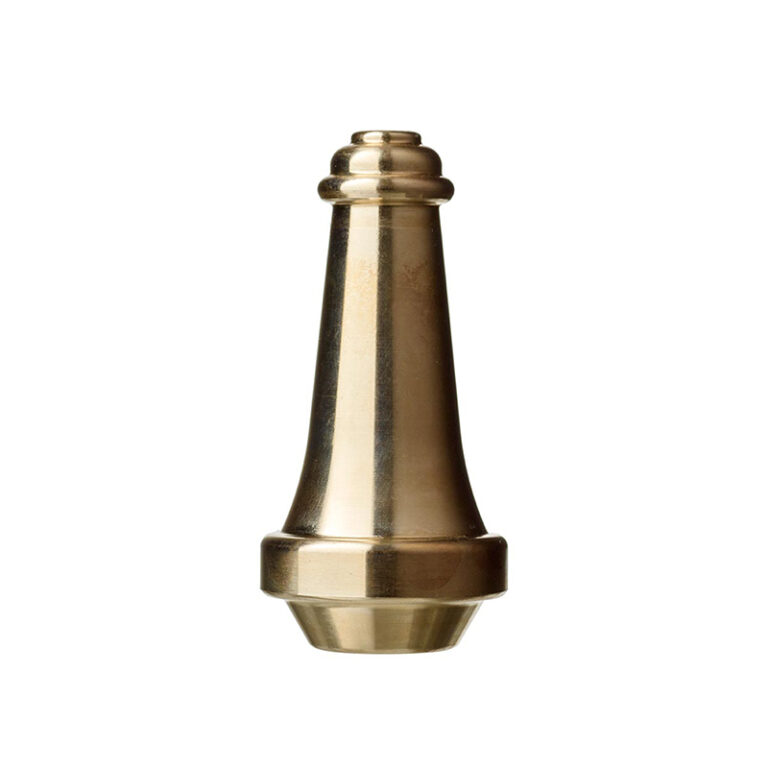
Damper rods Jugend in brass

Tassels from the 1910s. Tassels from the turn of the 20th century are usually only turned, unlike those from the 19th century, which really resembled real tassels.

We have produced an Art Nouveau model with fine turning and care in the details. The model for this damper is from Tyskbo Bergsmanssmedja in By parish Horndal.

Untreated brass. Height 60mm.

EUR32.48

Stove clay 5 kg

Tiled stove clay for the renovation of tiled stoves where the firebox has weathered internally. The main reason for using clay is that it has the ability to expand and absorb and distribute the pressure generated by the heat. The properties of clay make the kiln durable and safe and prevent the tiles from bursting and leaking. Never use cement or concrete in a tiled stove as this makes renovation and removal/replacement difficult, or in some cases impossible.

Pack of 5 kg. Contains refractory clay, ready-mixed with sand (1 part clay flour and 3 parts sand). Normally sufficient for 2-3 tiled stoves. Only water needs to be added.

Instructions are included, but they are also available as a PDF under Documents (at the Add to cart button).
EUR36.14

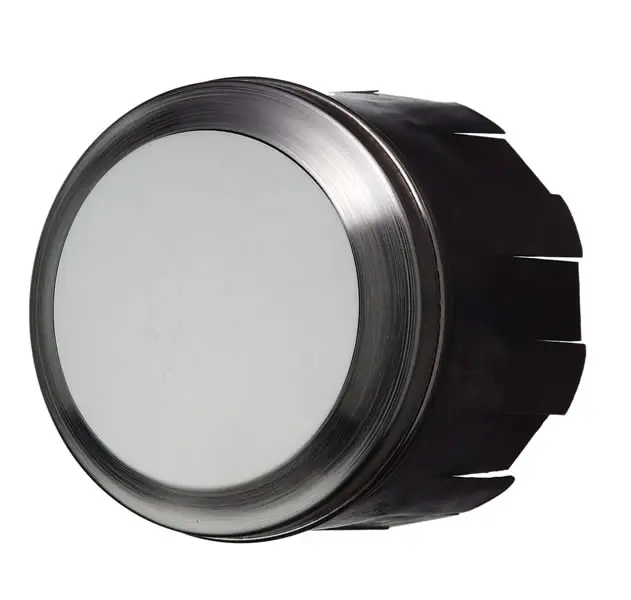
Soot hatch pressed brass

Soot hatch on black plate support. Available in both polished brass and bright nickel-plated. Suitable as a soot hatch on tiled stoves, in walls, etc.

EUR49.87

Soot hatch pressed nickel plated

Soot hatch on black plate support. Available in both polished brass and bright nickel-plated. Suitable as a soot hatch on tiled stoves, in walls, etc.

EUR52.61

Related articles

There are no related articles for this product.

Please leave a comment what you think about our new webshop

This site is registered on wpml.org as a development site. Switch to a production site key to remove this banner.